

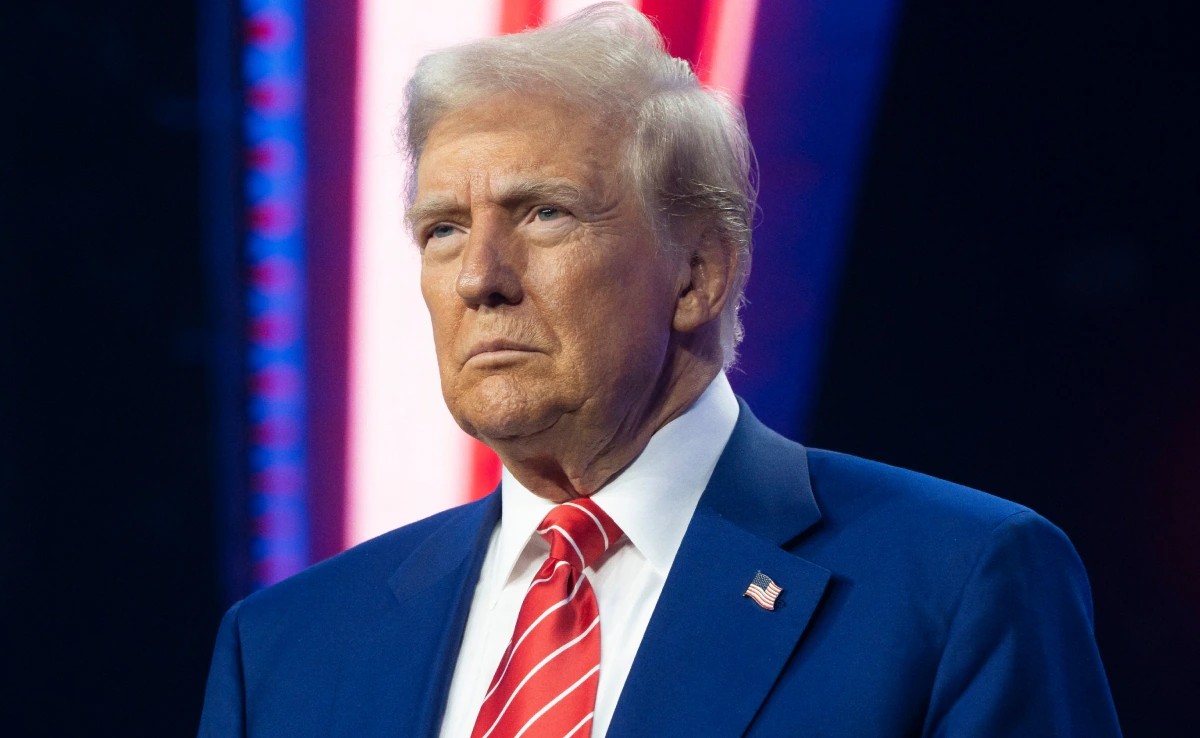
Donald Trump visited Beijing hoping to secure major agreements involving trade and rare earth materials with Chinese officials. Although discussions reportedly covered soybeans and Boeing aircraft deals, the American delegation departed without accepting Chinese souvenirs afterward. Before boarding Air Force One, officials discarded every item distributed by Chinese authorities during the important diplomatic visit recently. The discarded materials included burner phones, badges, press invitations, memorabilia, and several other accessories provided during official meetings. American security officials enforced strict instructions prohibiting any Chinese-origin items from entering the presidential aircraft during departure procedures.
Also Read: Sharad Pawar seeks all-party meet on West Asia conflict
Donald Trump delegation discarded Chinese gifts before departing Beijing
The White House and Secret Service reportedly implemented these security measures because of long-standing American concerns regarding Chinese surveillance activities. Officials supervising the departure collected every distributed item near the aircraft staircase before throwing them into designated disposal containers. Reports claimed American staff members surrendered credentials, electronic devices, and commemorative gifts before entering Air Force One for departure. Journalists accompanying the delegation also reportedly followed identical procedures while preparing to leave Beijing after the two-day diplomatic engagement. The measures reflected ongoing cybersecurity fears surrounding possible hidden surveillance technologies or tracking systems allegedly connected with Chinese intelligence operations.
According to reports, the American delegation avoided carrying personal electronic devices while traveling to China during the important summit meetings. Officials reportedly stored personal mobile phones inside protective Faraday bags aboard Air Force One throughout the overseas diplomatic visit. These specialized bags block wireless communication signals, including Wi-Fi, Bluetooth, GPS, and radio-frequency identification technologies during transportation procedures. Reports also stated that delegation members exclusively used temporary burner phones and limited-access email accounts while visiting Chinese locations. These precautions aimed to reduce hacking risks and protect sensitive communications from potential foreign surveillance or unauthorized digital access attempts.
Also Read: SC Plea Demands Fresh Exam and NTA Replacement
Security concerns dominated the high-profile diplomatic visit
During interactions with reporters, Trump openly acknowledged that both countries regularly conduct intelligence gathering activities against each other internationally. He stated that espionage activities occur between major nations while responding to questions regarding alleged Chinese cyberattacks against American systems. The developments generated widespread discussion across social media platforms, where analysts and commentators shared opinions regarding diplomatic security protocols recently. Some users joked about the unusual measures, while others highlighted growing distrust between the world’s two largest economic powers today. Historical incidents involving alleged surveillance devices hidden inside diplomatic gifts further strengthened security concerns surrounding Chinese official interactions internationally.
Despite public displays of friendship between Trump and Chinese President Xi Jinping, tensions reportedly emerged behind closed diplomatic meetings recently. Reports suggested disagreements occurred between Chinese officials, American security agents, and journalists regarding strict movement and security protocols throughout Beijing. One reported confrontation allegedly involved a Secret Service agent denied entry because Chinese authorities opposed firearms within restricted locations. Additional reports claimed Chinese reporters accidentally injured a White House staff member before bilateral discussions between both leaders officially commenced. Although the summit produced limited concrete agreements, the visit strongly highlighted continuing mistrust defining current United States and China diplomatic relations.
Also Read: Sharad Pawar seeks all-party meet on West Asia conflict