

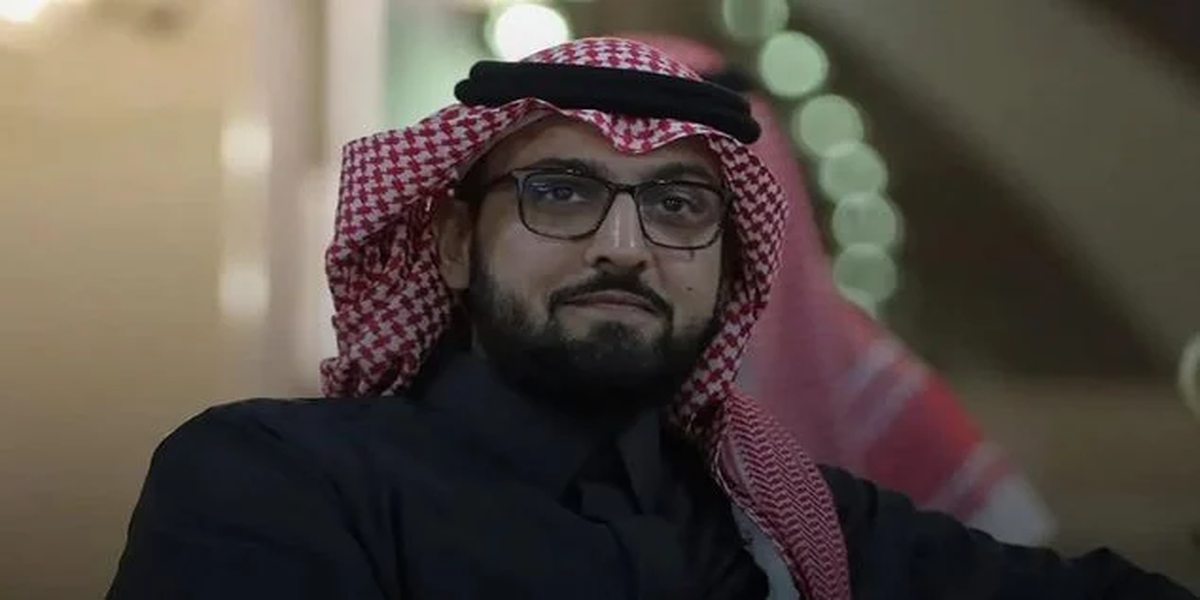
A 29-year-old Saudi prince died after consuming a dangerous combination of alcohol, recreational drugs, and prescription medication in London. Authorities identified the deceased as Prince Abdullah bin Fahad bin Abdullah bin Abdulaziz bin Jalawi Al Saud. He had checked into the luxury Marriott Hotel in Kensington on November 19 for a planned week-long stay. Security cameras captured him leaving the hotel briefly for a cigarette on the evening before his death. The following morning, a hotel housekeeper found him lying fully clothed on the bathroom floor inside his room. Hotel staff immediately contacted emergency responders, who attempted to revive him without success. Medical personnel declared the prince dead at the scene after confirming he had suffered cardiac arrest. Officials later launched an investigation to determine the exact circumstances surrounding the unexpected death.
Also Read : U.S. Launches More Strikes on Iran as Tensions Rise; Bangkok Pub Fire Kills 27
Saudi Royal Court Confirmed the Prince’s Death
The coroner’s inquest revealed that toxicology testing detected an extremely high blood alcohol concentration in Prince Abdullah’s body. Investigators also discovered potentially fatal levels of gamma-hydroxybutyrate, commonly known as GHB, a recreational party drug. Tests further identified traces of cannabis, Xanax, and other prescribed anti-anxiety medications within therapeutic ranges. Medical experts concluded that the combined effects of these substances overwhelmed his body and triggered cardiac arrest. Specialists informed the court that his alcohol level alone could have caused unconsciousness or coma before the fatal incident. The investigation found no evidence suggesting poisoning or intentional administration by another person. Authorities relied on scientific findings to establish the medical cause of death during the official proceedings.
Evidence presented during the hearing showed that Prince Abdullah previously sought professional treatment for alcohol and prescription drug dependency. He entered the Priory Clinic in Roehampton during August 2025 and successfully completed a supervised detoxification programme. Doctors treated him for dependence involving alcohol, benzodiazepines, and pregabalin while monitoring his physical and mental health. Consultant psychiatrist Dr. Victoria Chamorro testified that the prince cooperated well throughout treatment and responded positively to medical care. Although he experienced anxiety and low mood upon admission, clinicians reported steady improvement before discharge. After leaving the Priory Clinic, he continued rehabilitation at Rainford Hall Clinic in Merseyside before departing in October following recovery from a respiratory illness.
Coroner Ruled Death Was an Accident
Assistant Coroner Jean Harkin concluded that Prince Abdullah did not intentionally cause his own death. Investigators found no suicide note, no recorded suicidal statements, and no evidence suggesting involvement from another individual. CCTV footage confirmed that the prince remained alone during the final hours before the incident. Based on medical evidence and investigative findings, the coroner officially recorded the death as misadventure caused by multi-drug ingestion. The court accepted that the fatal outcome resulted from accidental consumption rather than deliberate self-harm. Officials also expressed sympathy to the royal family while acknowledging the tragic nature of the incident. The inquest formally closed after completing the review of medical records, witness testimony, and forensic evidence.
Following the conclusion of the investigation, the Saudi Royal Court issued an official statement confirming Prince Abdullah’s death. The statement announced that funeral prayers would take place at the VIP Imam Turki bin Abdullah Mosque in Riyadh. The prince’s death attracted international attention because of the circumstances surrounding the fatal overdose and subsequent legal proceedings. Authorities emphasized that the investigation found no criminal involvement and ruled the incident an accidental death. Medical experts continue highlighting the serious risks associated with combining alcohol, recreational substances, and prescription medications. The case serves as another reminder of the potentially fatal consequences of mixing multiple substances without medical supervision, even when some medications remain within prescribed therapeutic limits.
Also Read : U.S. Launches More Strikes on Iran as Tensions Rise; Bangkok Pub Fire Kills 27