

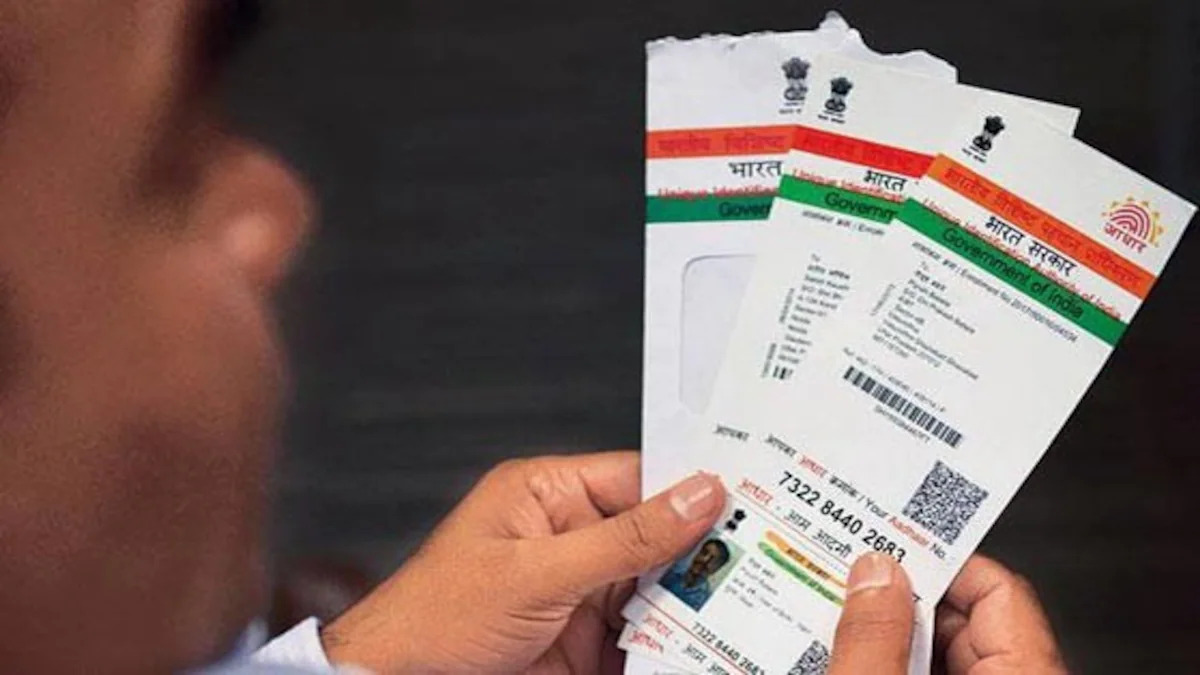
UK Prime Minister Keir Starmer praised India’s Aadhaar digital ID system as a “huge success” during his visit to Mumbai. He expressed interest in adapting its model for the UK’s proposed digital identity program called the “Brit Card.” Unlike Aadhaar, which uses biometric data, Starmer emphasized the Brit Card will avoid biometrics initially. The main focus will be combating illegal employment rather than providing welfare benefits. Starmer met with Nandan Nilekani, the co-founder of Infosys and Aadhaar architect, to understand the rapid rollout of India’s digital ID. The UK government plans to learn from India’s extensive experience while designing a system tailored to British needs and concerns.
Also read: Dhanashree Verma Responds to Chahal’s Denial, Says She Caught Him Cheating Early On
Starmer Looks to India’s Aadhaar as Model for UK’s Digital ID Without Biometrics
India’s Aadhaar, launched over 15 years ago, provides a unique 12-digit biometric ID to nearly 1.4 billion people. The system helps streamline access to banking, welfare, and government services, saving billions in administrative costs and reducing corruption. Despite its success, critics have raised concerns about data privacy and exclusion, with some people reportedly denied services due to missing IDs. The UK government has assured the public that the Brit Card will differ from Aadhaar by excluding biometric data. Inclusivity and data protection will be central to the UK’s design. The Brit Card will initially target employment verification to reduce illegal working.
Starmer defended the Brit Card by highlighting everyday challenges people face while accessing services without a digital ID. He explained that people often struggle to find multiple documents needed for basic tasks like school admissions or benefit applications. He believes a digital ID could significantly simplify these processes and improve convenience for citizens. Starmer admitted that public support for digital IDs has declined since the announcement but expressed optimism about regaining trust. He stated that learning from India’s success could help overcome skepticism in the UK. The Prime Minister envisions the Brit Card as a practical solution to bureaucratic hassles.
Also read: Dhanashree Verma Responds to Chahal’s Denial, Says She Caught Him Cheating Early On
Brit Card Aims to Curb Illegal Employment Amid Growing Privacy Concerns in the UK
Privacy concerns have grown among the UK public, who fear data breaches and government overreach linked to digital ID plans. Starmer addressed these worries by stressing the Brit Card’s focus on employment and excluding biometric data initially. He linked the ID system to immigration enforcement to prevent illegal working, a key government priority. The proposal aligns with migration agreements involving countries like France to combat undocumented labor. Right-wing parties have criticized gig economy platforms for allegedly facilitating illegal workers using fake identities. Starmer’s administration sees the digital ID as a tool to tighten immigration controls while modernizing service access.
The Brit Card project highlights the UK government’s efforts to modernize identity verification amid increasing migration challenges. Starmer’s visit to India and discussions with Aadhaar’s creators underline a global interest in digital ID solutions. While the UK adapts the concept, it plans safeguards against India’s reported issues such as exclusion and data misuse. The government faces the difficult task of balancing security, convenience, and privacy to build public confidence. The initiative may influence other countries considering similar digital ID systems. Meanwhile, Starmer remains committed to introducing the Brit Card as a transformative tool to simplify life and improve national security.
Also read: Sources: Mohsin Naqvi Presents Trophy to UAE Board as BCCI Considers Impeachment Action
[…] Also Read: PM Starmer Proposes Brit Card for British Citizens Inspired by India’s Aadhaar with DNA… […]