

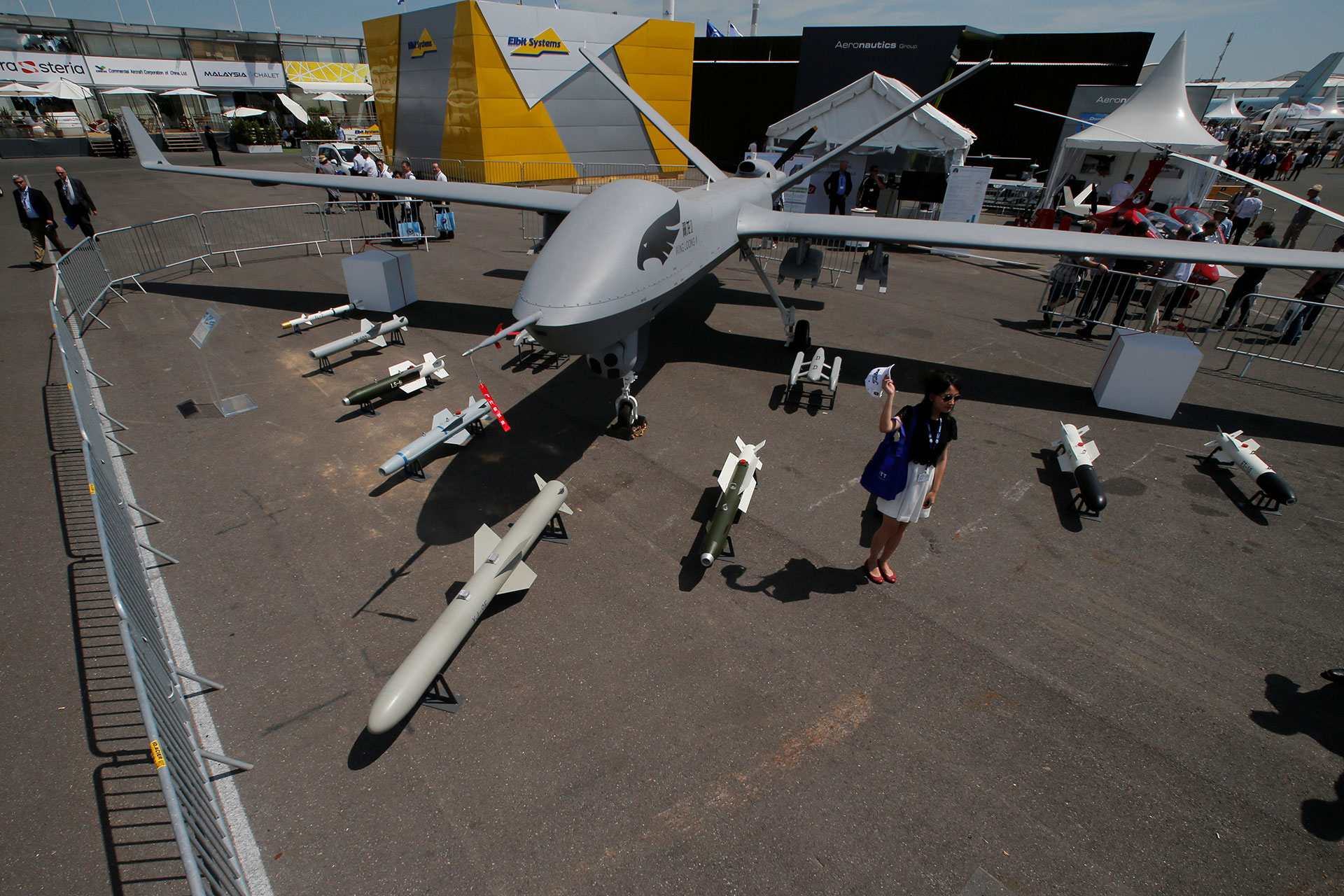
China has flown a large military drone over the South China Sea repeatedly in recent months. The aircraft broadcast false transponder codes to resemble foreign planes during sensitive regional missions. For example, it appeared as a Belarusian cargo jet and even a British fighter aircraft. Analysts say these flights mark a significant shift in Beijing’s grey zone tactics. Moreover, experts believe the operations test decoy strategies for a potential Taiwan conflict. Security officials argue the deception could complicate rival military tracking efforts. Consequently, the missions highlight China’s expanding technological experimentation in disputed waters.
Since August, trackers logged at least twenty three flights under the call sign YILO4200. However, the drone transmitted registration numbers belonging to unrelated foreign aircraft. Data reviewed from Flightradar24 revealed deliberate manipulation of aviation identification signals. The routes stretched from Hainan toward the Philippines and along Vietnam’s coastline. Notably, many paths crossed contested areas near the Paracel Islands. Reuters reported the scale and coordination of these masking efforts first. Therefore, analysts view the pattern as organized rather than accidental misidentification.
Also Read: Chandni Chowk traders slam police over vendors’ rally
Drone Deception Tactics Raise Regional Security Concerns
Although the false signals may not fool advanced military radar systems, confusion could still arise. Diplomats say even temporary uncertainty during conflict can disrupt rapid decision making. Ben Lewis of PLATracker described the activity as unprecedented real time deception trials. He emphasized the aircraft involved were neither subtle nor operating discreetly. Meanwhile, China’s defence ministry has not publicly addressed the findings. Analysts add that such tactics may conceal surveillance or support propaganda narratives. Thus, observers interpret the operations as preparation for high intensity contingencies.
The flights often originated from Qionghai Boao International Airport on Hainan Island. They followed surveillance patterns typical of long endurance unmanned aerial vehicles. Two unusual missions switched identification codes multiple times mid flight. In one case, the drone mimicked a Royal Air Force Typhoon.
In another instance, it posed as a Belarusian Il 62 simultaneously airborne elsewhere. Such coordinated masking underscores deliberate electronic warfare experimentation. Consequently, experts believe the operations refine battlefield deception capabilities.
Analysts link the YILO4200 call sign to the Wing Loong 2 drone. The aircraft resembles the American Reaper in size and endurance. Produced by Chengdu Aircraft Corporation under AVIC, it supports surveillance and strike roles. Security experts say the flight paths align closely with Taiwan focused contingencies. Notably, several trajectories approach the strategic Bashi Channel chokepoint. Alexander Neill of Pacific Forum calls the pattern a rehearsal for confrontation. In summary, China appears to be testing confusion tactics ahead of potential Taiwan operations.
Also Read: India reduces dividend tax for major French investors