

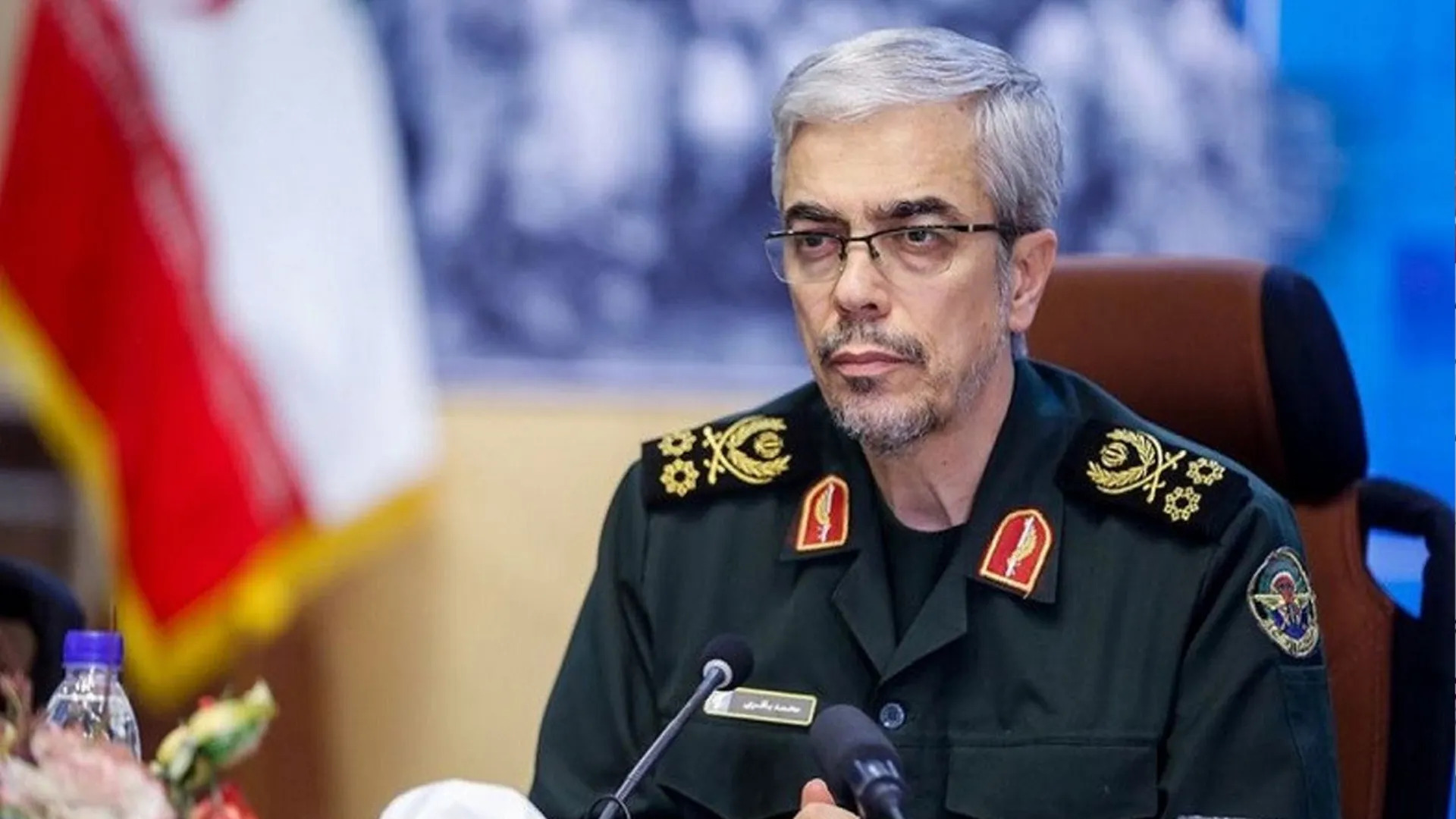
In a major escalation of regional tensions, Israeli airstrikes on Friday killed Major General Mohammad Bagheri, Iran’s top military officer and Chief of Staff of the Armed Forces. The Israeli forces launched highly coordinated strikes on key Iranian nuclear and military sites, including the Natanz uranium enrichment facility. Iranian state media, including the Tehran Times and Tasnim News Agency, confirmed that the attack also killed other senior officials, such as Major General Hossein Salami, commander of the Islamic Revolutionary Guard Corps (IRGC). The strike dealt one of the most significant blows to Iran’s military leadership in recent years.
Reports indicate that Israeli airstrikes targeted the IRGC headquarters in Tehran and ignited fires at several military installations. The International Atomic Energy Agency (IAEA) confirmed that one of the Israeli strikes hit the Natanz facility and announced that it is closely monitoring the situation.
Major General Bagheri: The Strategic Mind Behind Iran’s Military Doctrine
Major General Mohammad Bagheri, originally named Mohammad-Hossein Afshordi, has led Iran’s armed forces since 2016. He joined the IRGC in 1980 during the Iran-Iraq War and steadily rose through the ranks as an expert in intelligence and operations. Although his exact birth year remains unclear—sources list either 1958 or 1960—Bagheri pursued an education in engineering and later earned a doctorate in political geography.\
During the Iran-Iraq War, Bagheri played a key role in military planning and helped shape Iran’s modern military strategy. Analysts at the American Enterprise Institute have identified him as a core member of the IRGC Command Network, a group that has long dominated Iran’s defence and intelligence operations.