

As Israel intensifies its military operations against Iran, US President Donald Trump and Israeli Prime Minister Benjamin Netanyahu have openly floated the possibility of targeting Iran’s Supreme Leader, Ayatollah Ali Khamenei. Their remarks have fueled widespread outrage and revived bitter memories among Iranians who recall a history of foreign interference in their country’s internal affairs.
Reports indicate that the United States is preparing to support Israeli forces in attacking Iran’s nuclear facilities. This potential joint offensive risks plunging the already unstable Middle East deeper into chaos.
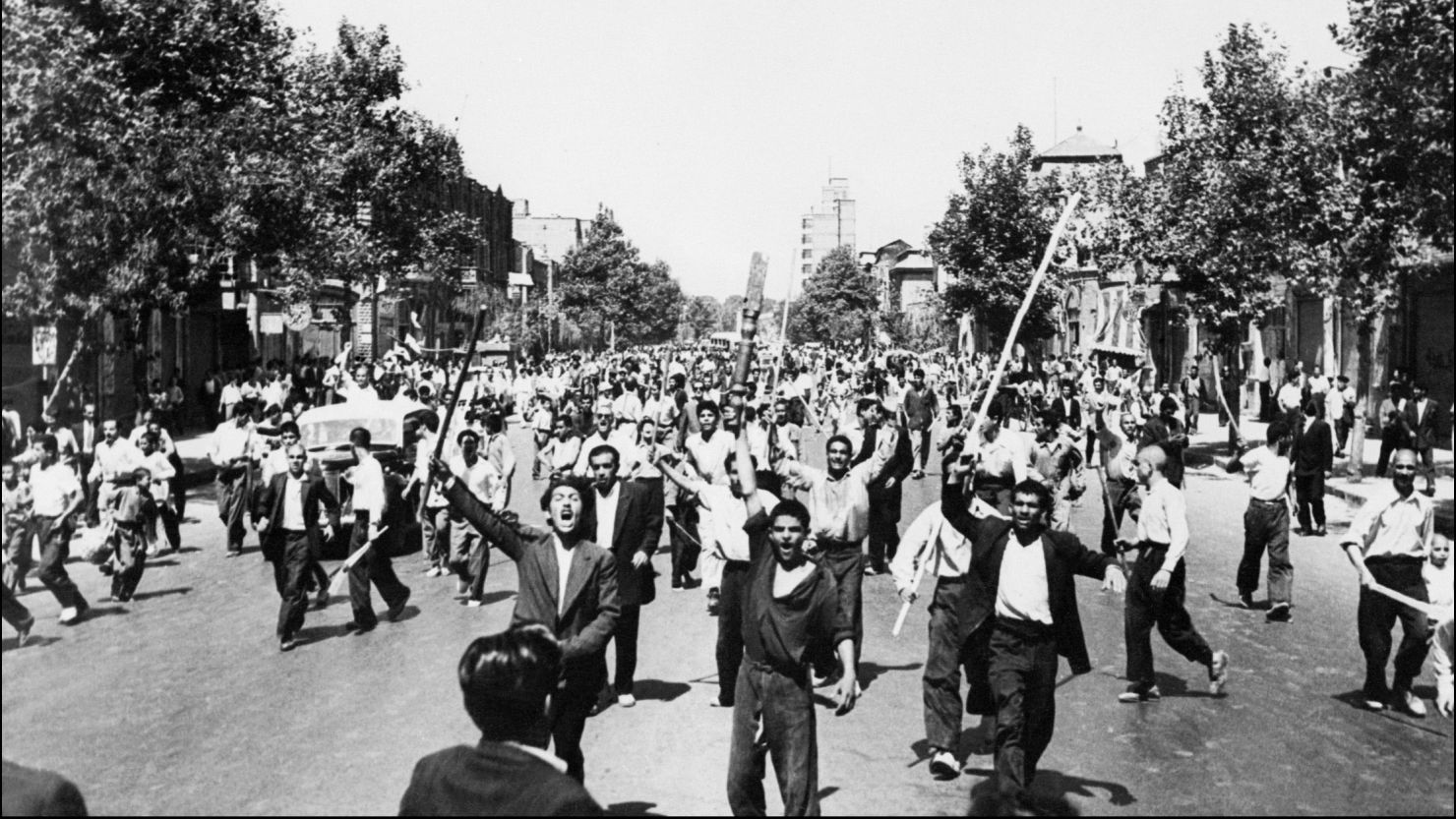
Iranians still remember the 1953 coup, when the US and the UK removed democratically elected Prime Minister Mohammad Mossadegh. Mossadegh had nationalised Iran’s oil industry, which threatened Western economic interests. In response, the CIA and British intelligence launched Operation Ajax, successfully toppling Mossadegh and reinstating Shah Mohammad Reza Pahlavi. The Shah ruled with an iron fist, using secret police to silence opposition, and aligned closely with the West. This period left lasting scars, fueling mistrust and resentment toward foreign powers.
US Calls for Regime Change Echo Past Trauma, Fuel Iran’s Resistance Rooted in 1979 Islamic Revolution
Also Read : Shubhanshu Shukla’s Axiom-4 Mission Delayed Once More Before July 19 Launch
The 1979 Islamic Revolution followed years of growing opposition to the Shah’s autocratic regime. Millions of Iranians, from secular to religious groups, protested his rule. The revolution ousted the Shah and brought Ayatollah Ruhollah Khomeini to power, establishing the Islamic Republic. Anti-American sentiment surged, rooted in the betrayal Iranians felt after the 1953 coup.
Today, as the US and Israel discuss regime change, many Iranians view these efforts as a continuation of foreign dominance. While some exiled opposition figures support international pressure, others warn that forced change could lead to instability, as seen in Iraq and Libya. Iranian officials use these threats to unite the public, portraying foreign intervention as a direct attack on national sovereignty. The echoes of past trauma remain deeply embedded in Iran’s national consciousness.