

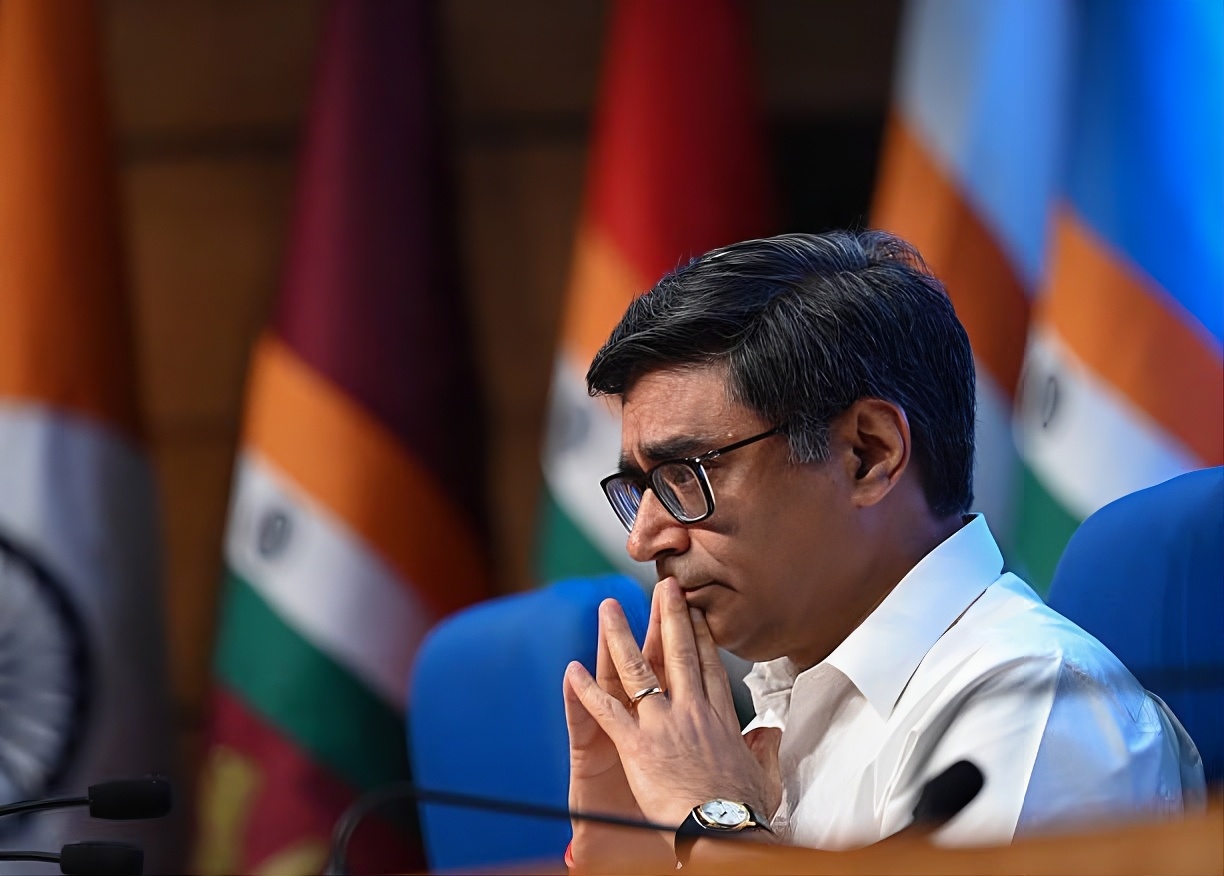
Government sources stressed that the Track-II meeting lacked official status. However, they urged people against treating it as formal diplomacy. Officials repeated India’s unchanged policy toward Pakistan. Meanwhile, New Delhi maintains no official dialogue with Pakistan. Furthermore, terrorism prevents meaningful bilateral discussions. The government also repeated its long-standing diplomatic position. Moreover, authorities dismissed claims about renewed formal engagement. Unofficial meetings never represent government policy, officials clarified. Therefore, India separates official diplomacy from informal interactions. Authorities rejected speculation surrounding the Colombo discussions. Additionally, only official channels carry diplomatic importance. India’s consistent stand on bilateral relations remains unchanged. Private meetings cannot alter official policy, officials explained. Besides, observers should remember India’s security concerns. Finally, officials concluded that terrorism and official talks cannot continue together.
Former military leaders, diplomats, and political figures gathered in Colombo this week. They attended an unofficial Track-II dialogue during a regional conference. The International Institute for Strategic Studies organized the security event. Delegates represented India, Pakistan, Sri Lanka, the Maldives, and the United Kingdom. Additionally, representatives from several other countries attended. Participants exchanged views through informal discussions. Meanwhile, organizers scheduled the dialogue alongside conference sessions. Sources confirmed the meeting’s unofficial nature. Delegates discussed regional security challenges throughout the event. Furthermore, participants shared perspectives without government authority. Officials from different backgrounds attended the gathering. The conference encouraged regional cooperation and dialogue. Moreover, sources informed NDTV about the discussions. The meeting remained separate from official diplomatic negotiations. Finally, participants completed discussions over several conference sessions.
Government Rejects Official Status of Track-II Talks
Also read:Cricket stadium inaugurated by Ram Charan as fans fill venue with “Peddi” cheers
Track-II diplomacy encourages informal discussions between non-government participants. Academics, retired officials, and civil society leaders usually participate. These meetings support communication during difficult political situations. Participants discuss important policy ideas freely. However, governments do not officially control these conversations. The process complements formal diplomatic negotiations. Moreover, participants explore possible solutions without political pressure. Experts exchange opinions through open discussions. Consequently, the meetings help reduce misunderstandings between countries. Specialists often suggest practical confidence-building measures. Participants promote better understanding through continuous dialogue. They also avoid official commitments during discussions. Informal diplomacy supports peaceful engagement between conflicting nations. Furthermore, participants identify future cooperation opportunities. Governments may later consider useful ideas from these exchanges.
US Official Attends Conference Dinner
Indian and Pakistani delegates met during separate sessions over two days. They gathered inside a Colombo hotel. General MM Naravane represented India. Ram Madhav also joined the Indian delegation. Former diplomat Ruchi Ghanashyam attended the discussions. Meanwhile, Pakistan sent Sajjad Haider Khan to the meeting. Sherry Rehman represented Pakistan’s diplomatic community. Retired Major General Isfandiyar Ali Khan Pataudi also participated. Delegates exchanged views during scheduled sessions. Furthermore, participants discussed regional concerns respectfully. Both sides maintained informal communication throughout the event. The meeting remained unofficial despite senior participants. Organizers facilitated discussions between both delegations. Additionally, participants shared their individual perspectives. Finally, the sessions concluded without official announcements.
Participants discussed cross-border terrorism during the meetings. They examined water-sharing issues between both countries. Delegates explored better communication during tense situations. Additionally, they considered methods to prevent future military escalation. Participants exchanged views on regional stability. Sources described the discussions as constructive. Moreover, delegates searched for practical confidence-building measures. Both sides shared concerns about recurring tensions. Consequently, participants expressed different viewpoints respectfully. They encouraged continued informal communication. Discussions covered several important security topics. Furthermore, delegates avoided making official commitments. The meeting produced no major breakthrough. Finally, participants ended discussions without significant agreements. Both countries maintained their existing official positions.
Also read:US-Iran Talks Resume After Military Pause