

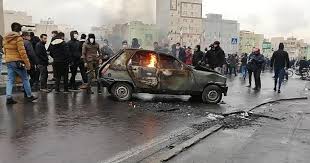
Deadliest Crackdown Witnessed by a Generation
Many young Iran say security forces carried out the deadliest crackdown they have ever experienced, leaving almost everyone knowing someone who was killed.
Parisa, a 29-year-old from Tehran, told the BBC that this wave of violence affected her personally in a way earlier protests never had. She said she personally knew at least 13 people who died after demonstrations over worsening economic conditions began on 28 December and later spread nationwide.
Parisa said security forces shot dead a 26-year-old woman she knew when they opened fire during intensified protests on 8 and 9 January. She herself joined what she described as peaceful demonstrations in northern Tehran, but said forces still used live ammunition against crowds the following night.
Despite a near-total internet shutdown, several protesters managed to share their accounts with the BBC. Mehdi, a 24-year-old from Tehran, said he had never seen protests on such a massive scale or such extreme violence by security forces. He said he witnessed officers shooting protesters at close range, including a young man killed directly in front of him.
Human rights group Hrana says it has confirmed more than 6,100 deaths so far, while another organisation has warned the final toll could exceed 25,000. Iranian authorities, however, claim most of those killed were security personnel or bystanders attacked by rioters.
Also Read: Ajit Pawar, Maharashtra Deputy CM, dies in plane crash in Baramati
Fear, Silence and Alleged Cover-Ups
Other protesters said security forces killed children, deliberately targeted faces and eyes with pellet guns, and overwhelmed hospitals with wounded demonstrators. Many injured protesters avoided medical treatment out of fear of arrest.
Sahar, a 27-year-old from Tehran, said she knew seven people who died in the crackdown. She said security forces shot one friend in the neck while he looked out of a window, another friend later bled to death after avoiding hospital care, and officers killed a third friend while holding him in detention.
Protesters also accused authorities of refusing to return bodies to families unless they paid large sums of money or agreed to register victims as members of the security forces. Human rights groups warn that officials use this practice to punish families and hide the true scale of the killings.
International media remain largely barred from reporting inside Iran, but the BBC has verified multiple videos showing security forces firing live ammunition at protesters.
Also Read: At least 8 Gurugram schools get bomb threat emails