

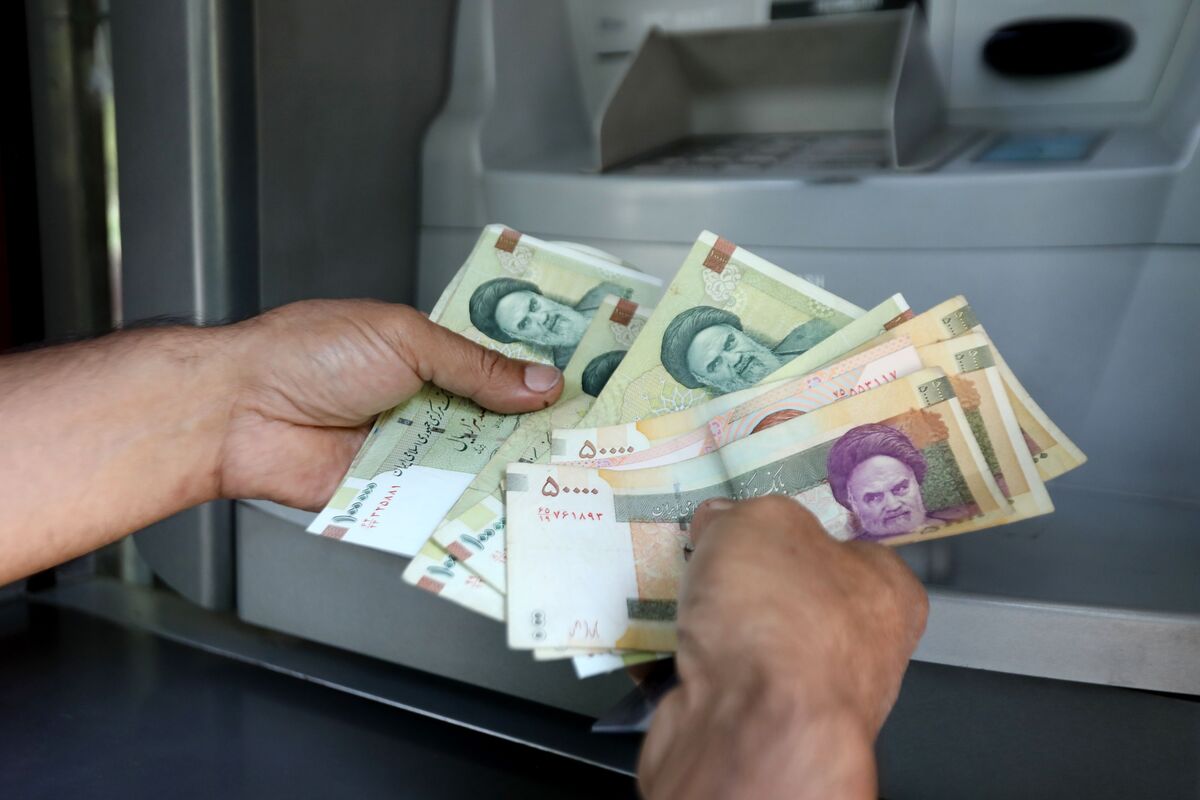
Protests Expand Beyond Tehran as Currency Crisis Deepens
Protesters and striking workers across Iran continued demonstrations for a third straight day, as anger over inflation and the sharp devaluation of the national currency spread from Tehran to multiple cities. Shopkeepers at Tehran’s Grand Bazaar launched the protests on Sunday after the Iranian rial fell to a record low against the US dollar in the open market.
Verified videos shared by BBC Persian showed crowds protesting in Karaj, Hamedan, Qeshm, Malard, Isfahan, Kermanshah, Shiraz, and Yazd. Police confronted demonstrators in several locations and used tear gas to disperse them. University students also joined the protests, chanting anti-government slogans such as “Death to the dictator,” referring to Supreme Leader Ayatollah Ali Khamenei. Some demonstrators voiced support for Reza Pahlavi, son of the former Shah, by chanting slogans like “Long live the Shah.”
The Iranian government acknowledged the protests and stated that it would listen patiently, even in the face of harsh criticism.
Also Read: Mohanlal suffers personal loss as his mother Santhakumari dies
Government Response, International Reactions, and Rising Tensions
President Masoud Pezeshkian announced on X that he had instructed the interior minister to open talks with what he called representatives of the protesters to address their concerns responsibly. He also accepted the resignation of central bank governor Mohammadreza Farzin and appointed former economy and finance minister Abdolnasser Hemmati as his replacement.
Reza Pahlavi, who lives in exile in the United States, publicly expressed his support for the protesters, stating that unity would lead to victory and warning that Iran’s economy would continue to decline under the current system. The US State Department’s Persian-language account also praised the protesters’ courage and expressed solidarity with those seeking dignity and a better future after years of economic mismanagement.
Iran featured prominently in discussions between US President Donald Trump and Israeli Prime Minister Benjamin Netanyahu during their meeting in Florida. Trump declined to say whether he supported regime change but highlighted Iran’s severe inflation and economic troubles. He also indicated that he might support further Israeli air strikes if Iran resumed its ballistic missile or nuclear programs.
President Pezeshkian warned that Iran would respond forcefully to any act of aggression. Meanwhile, Supreme Leader Ayatollah Ali Khamenei reiterated that Israel hoped to use the conflict to spark unrest and overthrow the government, but insisted that the Iranian people rejected such attempts.
Also Read: Khandu says Sunrise Festival offers major opportunities for Arunachal