

Rising global oil prices pushed the United States administration to introduce a temporary energy decision.
The government allowed several nations to purchase Russian oil currently stranded at sea temporarily. Officials made this decision while the conflict between the United States and Iran continued without resolution. Global energy markets showed instability as tensions disrupted supply chains across several regions. Oil traders closely monitored developments because uncertainty influenced shipping routes and international trade patterns. Authorities hoped the temporary permission would stabilise energy availability and prevent severe shortages worldwide. Energy analysts warned that prolonged conflict could further disrupt oil markets and global economic stability.
Union Minister Hardeep Singh Puri addressed Parliament and explained the current crude oil supply situation. He stated that India successfully managed supply disruptions caused by geopolitical tensions in West Asia. Earlier, about forty five percent of India’s crude imports passed through the Strait of Hormuz route. Government diplomacy helped India secure additional crude volumes from alternative international suppliers recently. Non Hormuz sources now account for nearly seventy percent of India’s crude oil imports. India currently imports crude oil from forty countries compared with twenty seven suppliers earlier. Officials believe diversification strengthened national energy security during the ongoing international crisis.
Also Read: US Envoy Credits Trump–Modi Ties for Trade Deal
Energy Disruptions Spark Political Debate and Industry Concerns
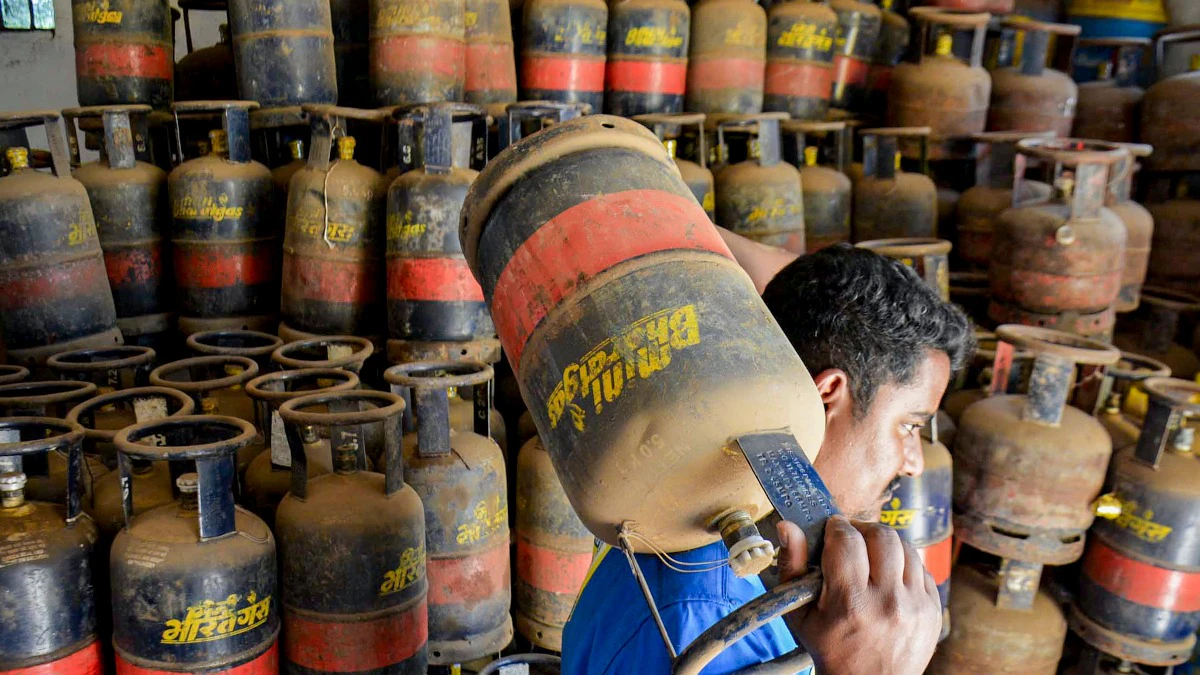
Opposition leaders organised protests in Parliament demanding answers regarding shortages of commercial LPG cylinders. Several Members of Parliament gathered in the Parliament complex to highlight concerns over supply problems. Congress leader Rahul Gandhi strongly criticised the government over the growing cooking gas shortage. He accused Prime Minister Narendra Modi of appearing calm publicly while facing internal political pressure. The opposition argued that citizens and small businesses struggled because cooking gas supplies declined. Political tensions increased as lawmakers demanded immediate government action to resolve distribution issues.
Public discussions intensified nationwide as consumers worried about availability and rising fuel prices.
Oil prices stayed close to the important hundred dollar per barrel benchmark in global markets. Traders noticed a slight decline in prices during early trading hours on Friday morning. The United States government issued a thirty day license allowing nations to purchase Russian oil shipments. These shipments were already stranded at sea due to earlier sanctions and trade restrictions. Officials hoped the temporary measure would increase supply and calm global energy markets. Energy companies monitored developments carefully while governments assessed the potential economic impact.
The LPG shortage began affecting several sectors including film production and technology companies in Kerala. Film producers reported difficulties arranging food supplies for workers at multiple shooting locations. Industry representatives said nearly eighteen film projects currently continued filming despite the supply crisis. However, producers warned that operations could become difficult if shortages continued longer. Meanwhile, technology companies at Technopark considered switching employees to work from home temporarily. Food courts and cafeterias reduced menu options because limited gas cylinders affected cooking capacity. Business leaders observed that prolonged shortages could disrupt workplace services and daily operations.
Also Read: India receives first oil shipment through Strait of Hormuz amid Iran-US war
[…] Also Read: LPG energy shortage may push Technopark firms to WFH […]
[…] Also Read: LPG energy shortage may push Technopark firms to WFH […]