

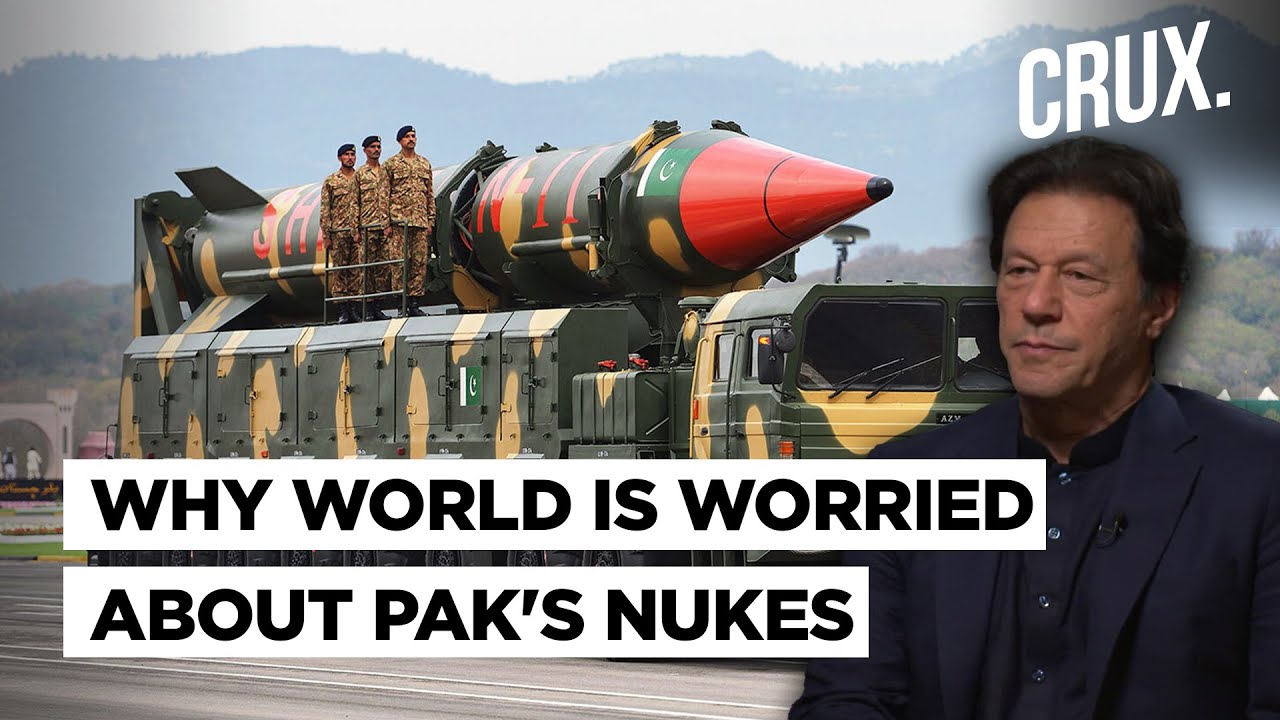
India is modernising its nuclear sector through openness, regulation, and carefully controlled private participation, yet Pakistan has chosen to respond with anxiety instead of engagement. New Delhi is prioritising safeguards, accountability, and innovation, while Islamabad continues to rely on secrecy, confrontational rhetoric, and a troubled proliferation legacy. The real danger does not stem from India’s reforms; it arises from Pakistan’s opaque, politically driven nuclear posture.
India took a historic step on 15 December 2025 when the government introduced the Sustainable Harnessing and Advancement of Nuclear Energy for Transforming India (SHANTI) Bill in the Lok Sabha. Through this legislation, New Delhi seeks to dismantle outdated legal frameworks—the Atomic Energy Act of 1962 and the Civil Liability for Nuclear Damage Act of 2010—that have long discouraged private investment and technological progress. The government has positioned SHANTI as a strategic shift aimed at strengthening energy security, fulfilling climate commitments, and unlocking India’s nuclear capacity on a national scale.
Also Read: Cyclone Relief: India Pledges 450M to Aid Sri Lanka
India’s SHANTI Bill invites private participation and transparency in its nuclear sector, while Pakistan expresses concern over safety and control.
The Bill allows Indian private companies to enter nuclear activities that state-owned bodies such as the Nuclear Power Corporation of India previously controlled exclusively. Under SHANTI, domestic firms can participate in fuel fabrication, spent-fuel management, and the import and export of approved nuclear equipment. At the same time, the government retains firm authority over sensitive operations, including uranium enrichment, reprocessing, and heavy water production, and it continues to bar foreign-controlled companies from obtaining nuclear licences.
India has also aligned liability provisions with international standards by capping liability at 300 million Special Drawing Rights. The Bill strengthens oversight by granting statutory authority to the Atomic Energy Regulatory Board, enabling it to enforce safety regulations more effectively. Government officials argue that India must rapidly expand nuclear energy to meet its long-term climate objectives, including achieving net-zero emissions by 2070 and increasing nuclear capacity from roughly 8.2 gigawatts today to 100 gigawatts by 2047. They emphasise that private capital and innovation will play a decisive role in reaching these goals.
India opens its nuclear sector to private companies under SHANTI, highlighting transparency, while Pakistan voices worry over oversight.
Despite these safeguards, Pakistan publicly expressed “concern,” claiming that private participation in India’s nuclear sector could weaken global oversight mechanisms. This criticism stands out largely because of its source. Pakistan’s nuclear programme has repeatedly attracted international scrutiny, particularly due to the proliferation network operated by Dr Abdul Qadeer Khan. During the 1980s and 1990s, Khan not only advanced Pakistan’s uranium enrichment capabilities but also transferred sensitive nuclear technology to Iran, Libya, and North Korea—activities that many analysts believe could not have occurred without at least tacit support from elements within Pakistan’s establishment.
India, by contrast, has built its nuclear programme on transparency and compliance. Its strong non-proliferation record, clear separation of civilian and military facilities, and adherence to international safety norms earned India a special waiver from the Nuclear Suppliers Group in 2008—a privilege Pakistan has never secured. Indian authorities have repeatedly dismissed Islamabad’s allegations of nuclear safety incidents, reaffirming that SHANTI does not dilute regulatory or safety standards.
Concerns about Pakistan’s nuclear governance continue to deepen. Civilian oversight has weakened, while the military has consolidated control over strategic and nuclear decision-making. Senior military leaders have issued aggressive statements that analysts widely interpret as nuclear sabre-rattling, raising doubts about stability and command discipline. Political instability, internal divisions, and competing power centres further complicate Pakistan’s nuclear command structure—conditions that sharply contrast with India’s rule-based and institutionally accountable model.
Meanwhile, India’s reform initiative has already drawn interest from major domestic conglomerates such as Tata Power, Adani Power, and Reliance Industries, along with international partners including Westinghouse, GE-Hitachi, and EDF. For New Delhi, SHANTI represents more than an energy reform; it serves as a pathway toward technological self-reliance, economic growth, and leadership in clean energy.
Pakistan’s objections, therefore, reflect deeper anxieties about credibility, control, and global standing rather than genuine safety concerns. As India opens its nuclear sector within a strong regulatory framework, it signals its readiness to scale responsibly, attract investment, and play a larger role in the global clean-energy and strategic landscape. For international observers, the conclusion is clear: India’s nuclear reforms enhance transparency and stability, while Pakistan’s unresolved legacy of secrecy, proliferation, and ideological militarisation remains the greater challenge to regional and global security.
Also Read: Osman Hadi’s Kin Says Murder Was Part of Plan to Undermine National Elections
[…] Also Read: Why Pakistan Reacts While India Expands Nuclear Safely […]