

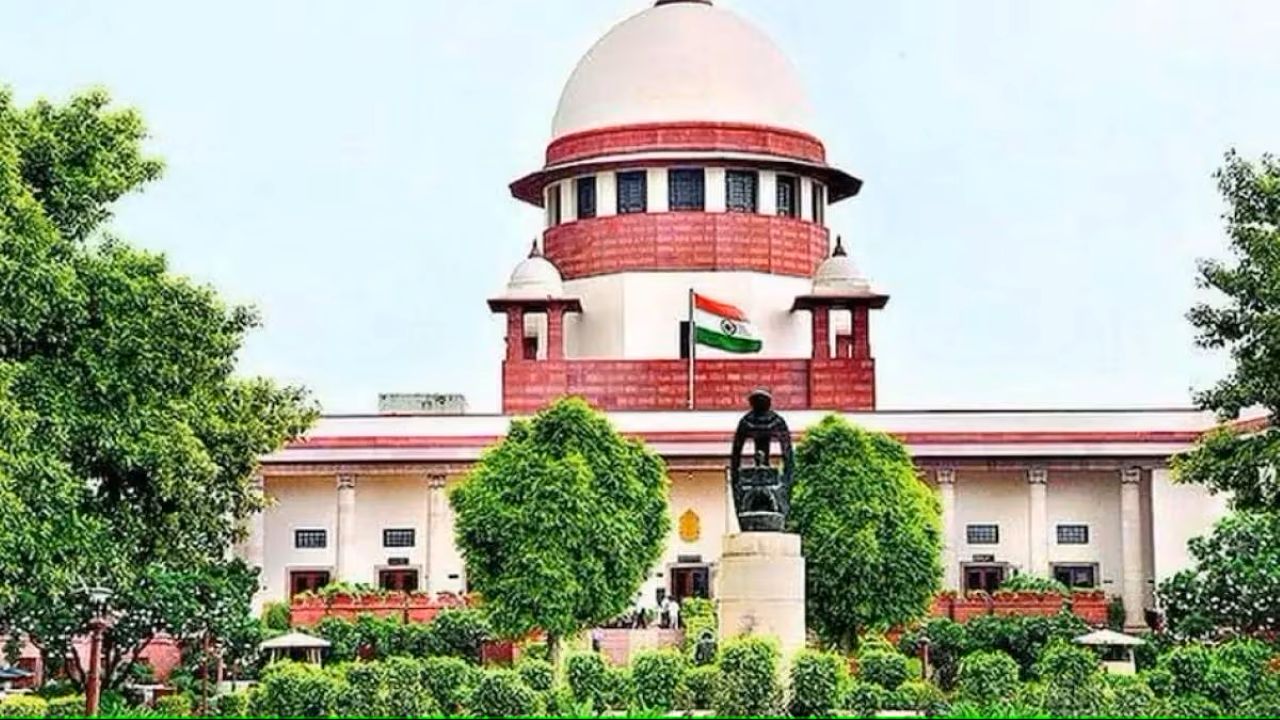
The Supreme Court clarified that the actions of the President or a Governor are not “justiciable,” meaning they cannot be subjected to trial. Judicial review, the court emphasized, can only be invoked after a bill becomes law. On Thursday, the court explained that neither the President of India nor state Governors are bound by strict timelines when approving or returning bills passed by legislatures. The bench, led by Chief Justice BR Gavai, responded to a Presidential reference regarding its April verdict. Earlier, Justices JB Pardiwala and R Mahadevan had ruled that Tamil Nadu Governor RN Ravi acted illegally by withholding assent for certain bills. The Supreme Court emphasized that its role in this matter is advisory and that its April order remains valid. Only in cases of prolonged inaction can courts issue limited directions.
Also read: Dhanashree Verma Responds to Chahal’s Denial, Says She Caught Him Cheating Early On
Supreme Court Clarifies President, Governors, and Bill
Under Article 200, the Supreme Court clarified, Governors are not bound to act on bills within a fixed timeframe. A Governor, when presented with a non-money bill, must either give assent, return it, or forward it to the President. If a bill is withheld, it must be sent back to the state legislature. Contrary to earlier arguments, Governors have discretion and are not bound by ministerial advice when approving or withholding assent. The discharge of these functions is not justiciable. Limited directions may be issued only in cases of unexplained delays. Article 361 immunity protects Governors in general, but it does not prevent directions for prolonged delays.
The court further clarified that Presidential assent under Article 201 is also not bound by judicial timelines. Presidents are not required to seek court advice for each reserved bill. The Constitution does not allow the concept of “deemed assent” for bills, avoiding confusion over bills supposedly passed automatically. Article 142 cannot be invoked to declare bills as deemed assented. Judicial review applies only once a bill officially becomes law. The Supreme Court stressed that its role is advisory, guiding the constitutional process without overriding executive discretion.
Also read: Sources: Mohsin Naqvi Presents Trophy to UAE Board as BCCI Considers Impeachment Action
Supreme Court Defines Powers and Discretion of President, Governors, and Legislative Bills
Governors retain complete discretion in approving, returning, or forwarding bills, regardless of ministerial recommendations. Courts may intervene only in cases of prolonged, unexplained inaction. Both the President and Governors enjoy immunity for official acts, although delayed action may attract limited judicial directions. The Supreme Court reiterated that its advisory powers ensure the balance between legislative functioning and executive discretion. All procedural safeguards must be respected while maintaining legislative efficiency. Judicial intervention is possible solely to prevent indefinite delays. Constitutional roles of executive authorities remain fully protected, and Courts cannot impose timelines arbitrarily.
In summary, the Supreme Court outlined ten key principles regarding Presidents, Governors, and bills. Neither the President nor Governors are legally bound by fixed timelines. Judicial review becomes applicable only after a bill becomes law. Governors and the President enjoy discretion in assent, return, or referral of bills. Article 361 immunity does not prevent directions in cases of prolonged inaction. Deemed assent is unconstitutional, and courts cannot declare it. Limited directions can be issued only for unreasonable delays. The advisory role of the Supreme Court ensures proper balance in the legislative process. Constitutional procedures must be strictly followed, and executive discretion protected. This clarification provides legal guidance for smooth governance and legislative compliance.
Also read: Dhanashree Verma Responds to Chahal’s Denial, Says She Caught Him Cheating Early On