

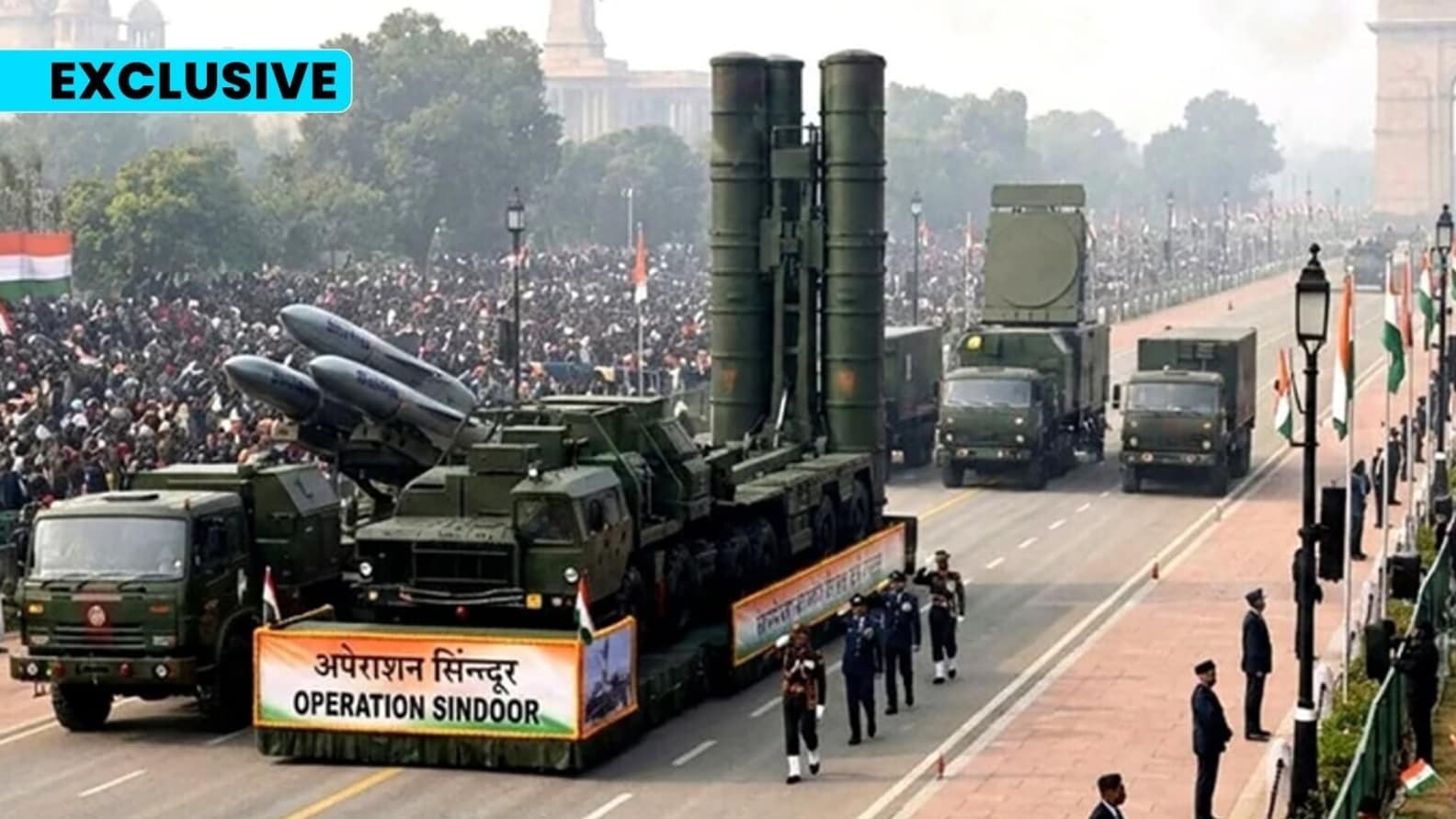
The Indian Air Force (IAF) has pushed for the purchase of five additional S-400 air defence systems from Russia, along with the Pantsir short-range air defence system, to further strengthen India’s air defence shield. According to officials familiar with the matter, the Defence Acquisition Council (DAC), chaired by Defence Minister Rajnath Singh, has granted Acceptance of Necessity (AoN) for the procurement of 288 S-400 missiles at an estimated cost of ₹10,000 crore.
The approved package includes 120 short-range missiles and 168 long-range missiles. Authorities will process the acquisition under the Fast Track Procedure (FTP), which the government uses to expedite urgent defence procurements.
Officials also confirmed that India will receive two more S-400 systems this year under an existing agreement with Russia. Deliveries are scheduled for June and November. Once inducted, these systems will significantly enhance the country’s ability to detect, track, and intercept a wide range of aerial threats, including fighter jets, drones, cruise missiles, and ballistic missiles.
Also Read: Tarique Rahman Secures Victory in Bangladesh Election, Poised to Become PM
Missiles Deals Among ₹3.60 Lakh Crore Defence Clearances
India follows a structured approval process for defence purchases, beginning with a proposal review and moving through the Defence Procurement Board and the Defence Acquisition Council (DAC) for Acceptance of Necessity, before final clearance by the Cabinet Committee on Security (CCS).
On Thursday, the defence minister cleared proposals worth ₹3.60 lakh crore, including Rafale fighter jets, combat missiles, and high-altitude pseudo-satellites for the Indian Air Force.By expanding its S-400 arsenal and considering the Pantsir system, the IAF aims to build a stronger layered air defence network. The move reflects India’s focus on improving operational readiness and addressing evolving security challenges in the region. Strengthening air defence capabilities remains a key priority as the country continues to modernise its military infrastructure and boost strategic preparedness.
Also Read: Trump Overturns Policy on Health Dangers Linked to Greenhouse Gases