

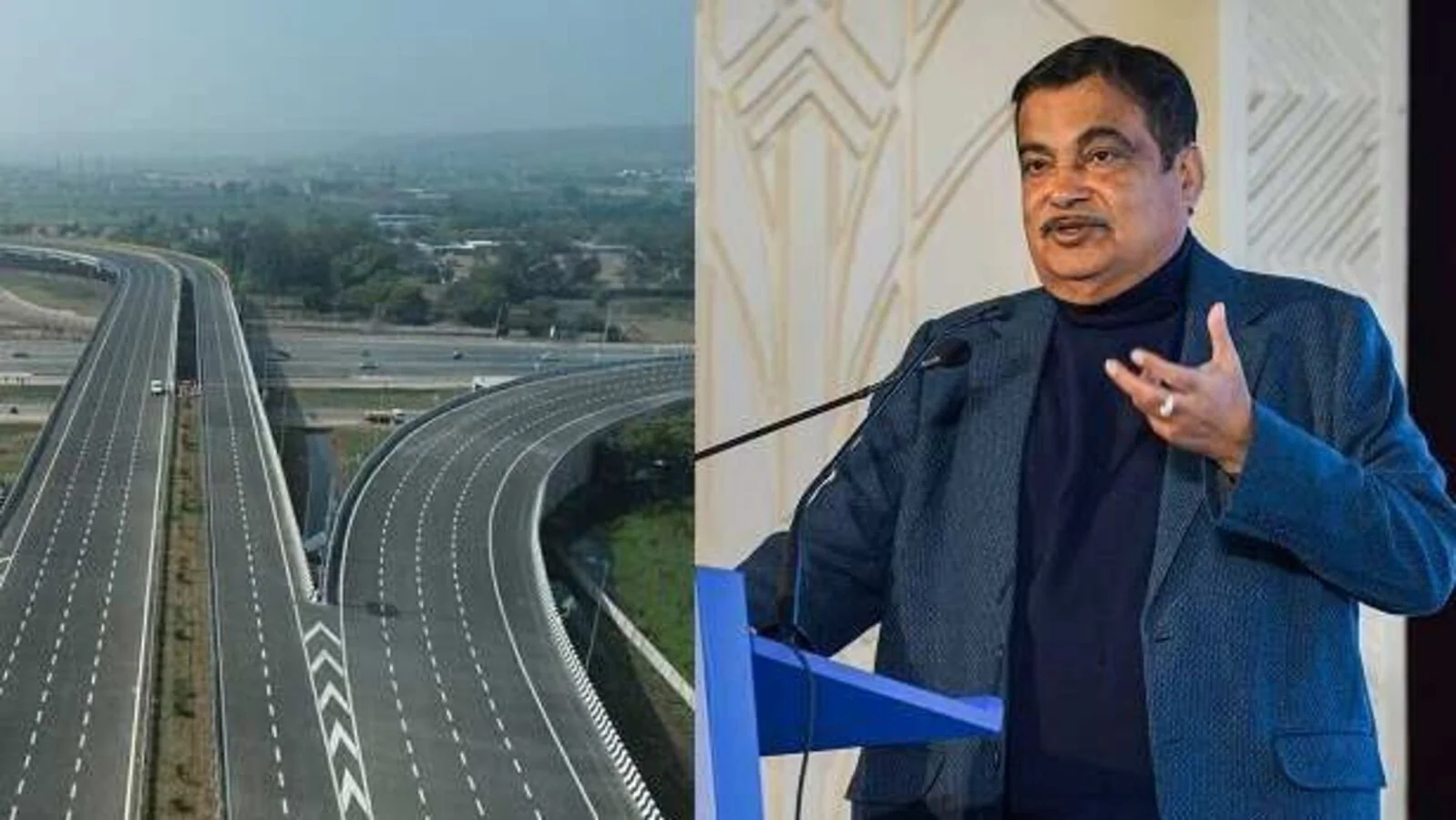
The Nitin Gadkari highway infrastructure plan focuses on reducing India’s logistics costs, expanding the national highway network and accelerating the transition to green fuels. India’s logistics cost was earlier estimated at 14–16% of GDP, significantly higher than China’s 8% and 12% in Europe and the US. Through improved road quality and faster highway construction, the government claims logistics costs have already reduced to around 10%, with a target to bring them to single digits.
Reducing Logistics Costs Through Highway Modernisation
A key goal of the Nitin Gadkari highway infrastructure plan is to enhance export competitiveness by cutting transport expenses. Better highways reduce fuel consumption, vehicle maintenance costs and travel time. According to government estimates, infrastructure upgrades have already helped lower logistics costs closer to 10% of GDP. The ministry operates with a budget of ₹3.20 lakh crore and has indicated the potential to raise up to ₹15 lakh crore through asset monetisation if required.
Also Read: HPV Rollout a Landmark Step: Ex-ICMR Chief
Expanding National Highways at Record Speed
Under the Nitin Gadkari highway infrastructure plan, India aims to significantly expand its highway network within the next two years. The Bharatmala phase is being completed under NHAI supervision. The minister stated that India’s highway network could become comparable in scale to the United States. Additionally, toll reforms will make plazas barrier-free, allowing vehicles to pass at 80 km per hour. A new ₹3,000 annual pass will permit 200 toll entries without additional payment.
Also Read: How China Masks Drone Flights During Possible Taiwan Rehearsal
Green Fuels, Hydrogen and Sustainable Roads
Sustainability is another major pillar of the Nitin Gadkari highway infrastructure plan. The government has launched a ₹600 crore hydrogen pilot project across 10 national highways, involving companies like Reliance, Tata and Ashok Leyland. The long-term aim is to reduce hydrogen fuel cost to $1 per kg. Around 8 million tonnes of municipal waste have already been used in road construction, and 48 million trees have been planted along highways. However, road transport still contributes nearly 40% of air pollution, making cleaner fuel adoption crucial.