

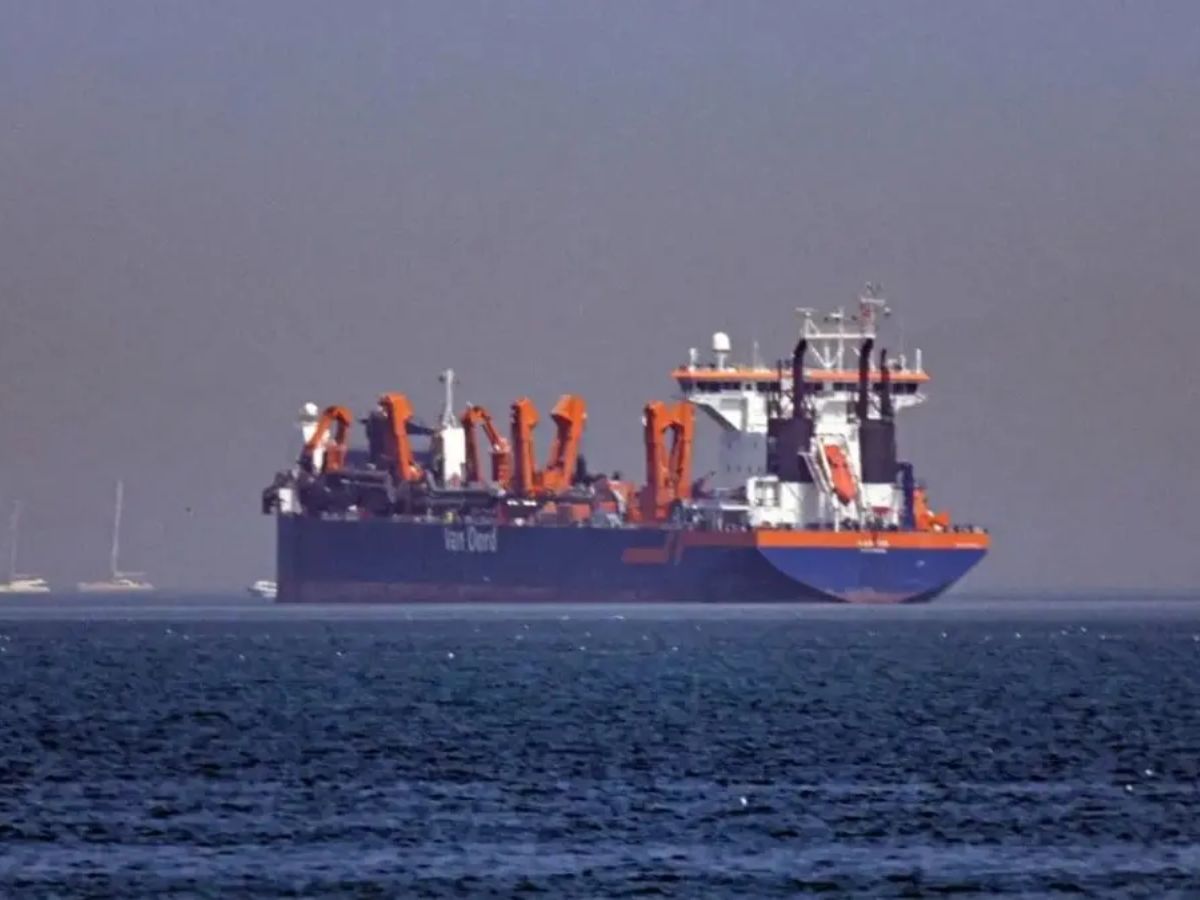
The Strait of Hormuz crisis has drawn global attention as tensions in the Middle East threaten international energy supply routes. India quickly acted to protect its oil imports by engaging in diplomatic talks with Iran. After discussions between S. Jaishankar and Abbas Araghchi, Iran allowed Indian oil tankers to move safely through the Strait of Hormuz. This decision helped India maintain steady energy supplies despite growing regional tensions.
Strait of Hormuz Crisis and Its Importance to Global Oil Supply
The Strait of Hormuz crisis highlights the strategic importance of this narrow maritime route. The strait connects the Persian Gulf to the Arabian Sea and carries a significant portion of the world’s crude oil and liquefied natural gas shipments. Major oil-producing countries rely on this passage to export energy resources to global markets.
Any disruption in this waterway can immediately affect international oil prices and supply chains. When regional conflicts escalate, shipping companies face higher risks and insurance costs, which can increase energy prices worldwide. Because of its strategic location, the Strait of Hormuz remains one of the most sensitive energy chokepoints in global trade.
Also Read: Air India Asks DGCA for Pilot Duty Relief
India’s Diplomatic Efforts During the Strait of Hormuz Crisis
India responded quickly to the Strait of Hormuz crisis by strengthening diplomatic communication with key countries involved in the conflict. External Affairs Minister S. Jaishankar spoke directly with Iranian officials to ensure that Indian vessels could continue transporting crude oil and liquefied petroleum gas safely.
The Indian government also held discussions with international partners to monitor developments in the region. By maintaining diplomatic engagement, India aimed to protect its energy security and prevent disruptions to essential fuel imports that support industries, transportation, and households across the country.
Also Read: Indian Among Four Injured After Drones Crash Near Dubai Airport
Impact of the Strait of Hormuz Crisis on India
The Strait of Hormuz crisis has already affected energy supplies in India. Disruptions in shipping routes have created shortages of commercial LPG cylinders in several cities. Hotels and restaurants in places such as Mumbai, Chennai, and Bengaluru have reported difficulties in obtaining regular LPG deliveries.
The shortage has also pushed prices higher in some markets. Businesses and households have faced increased fuel costs as suppliers struggle to maintain steady deliveries. Although India secured safe passage for its tankers, the crisis continues to influence energy markets and highlights the country’s reliance on stable international shipping routes.