

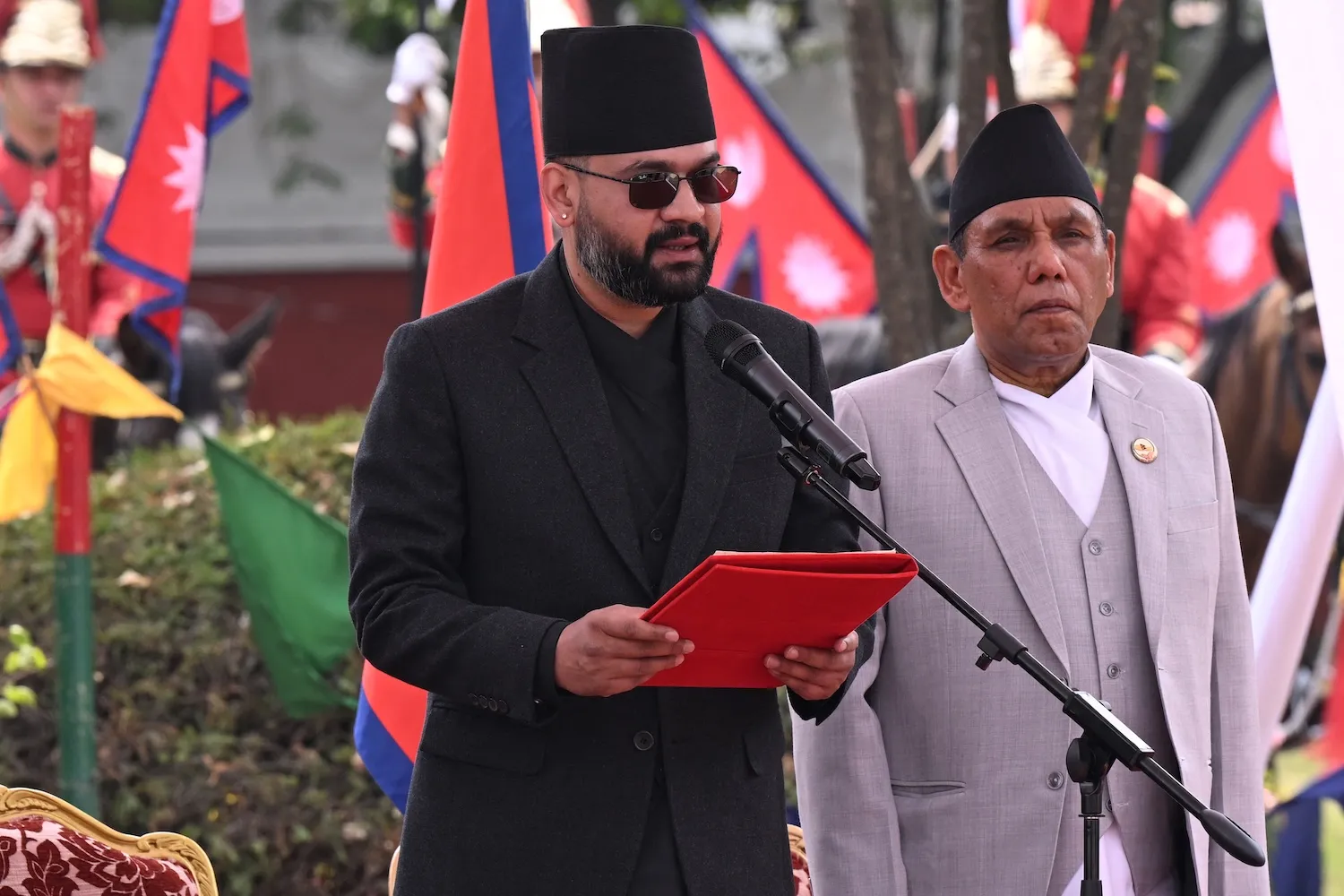
The Nepal protests 2026 are intensifying just weeks after Prime Minister Balen Shah took office, creating a serious political challenge for his government. Demonstrations have spread across Kathmandu and other major cities, with students, activists, and ordinary citizens joining the unrest. The controversy began with the government’s move to restrict student unions, which triggered widespread anger among the youth. At the same time, a new customs duty on goods imported from India has added to public frustration. Residents in border areas say the policy directly affects their daily needs and increases their financial burden. Protesters have marched toward Singha Durbar, signaling that the unrest has reached the heart of government authority. Allegations against the Home Minister have further intensified the situation. Together, these issues have turned into a major test for the new administration.
Student Union Ban Sparks Youth Backlash
The government’s decision to sideline student unions has triggered strong reactions from young people across Nepal. Students have openly opposed the move and described it as an attack on their democratic rights. They have organized rallies, marches, and protests in schools and colleges, showing their collective strength. Many student leaders argue that the government failed to consult them before taking such a major decision. This approach has widened the trust gap between the youth and the authorities. As more students join the movement every day, the protests continue to grow in scale and intensity.
The issue has expanded beyond campuses and attracted attention from parents, educators, and civil society groups. Many people believe that student unions play a crucial role in political awareness and leadership development. By limiting their role, the government risks weakening democratic participation. Protesters have taken to the streets with placards and slogans, demanding the restoration of their rights. Social media platforms have amplified their voices and helped mobilize support nationwide. This growing momentum shows that the youth remain determined to challenge the policy.
Also Read: Mumbai Airport T1 Fire Contained
Customs Duty on India Goods Adds to Public Anger
The newly introduced customs duty on goods from India has significantly contributed to the Nepal protests 2026. The policy imposes taxes on items worth more than ₹100, directly affecting daily purchases for many citizens. People living in border regions depend heavily on cross-border trade for essential goods. The added financial burden has made it harder for them to manage household expenses. Traders have also raised concerns, stating that the policy disrupts business and reduces customer demand. As a result, more people have joined the protests to oppose the decision.
Critics argue that the government implemented the policy without considering the ground realities of border communities. The rule has affected middle- and lower-income groups the most, increasing economic pressure on them. Markets have started to feel the impact, with rising prices and reduced trade activity. Protesters continue to demand that the government roll back the policy immediately. The issue has now evolved into a broader economic concern rather than just a local problem. This factor has played a major role in expanding the scope of the ongoing unrest.
Also Read: Lenskart outlet row: BJP leader applies tilak to staff
Allegations Against Home Minister Intensify Crisis
Allegations against Home Minister Sudan Gurung have further escalated the crisis. He faces accusations of holding disproportionate assets and engaging in questionable financial dealings. Opposition parties have strongly criticized him and demanded his resignation. Protesters have also raised this issue during demonstrations, making it a central point of the movement. Reports suggest links between the minister and controversial business entities, which has increased public suspicion. These developments have added to the growing pressure on the government.
The controversy has damaged the government’s image and raised serious questions about transparency and accountability. Citizens are demanding clear answers and immediate action from the leadership. Political groups are using the issue to intensify their attacks on the administration. If the government fails to address these concerns, the protests may become even more widespread. The situation now represents a major leadership test for Balen Shah. The coming days will determine how effectively the government can manage this escalating crisis.
[…] Also Read: Nepal Sees Student Protests as Balen Shah Comes Under Fire […]
[…] Also Read: Nepal Sees Student Protests as Balen Shah Comes Under Fire […]