

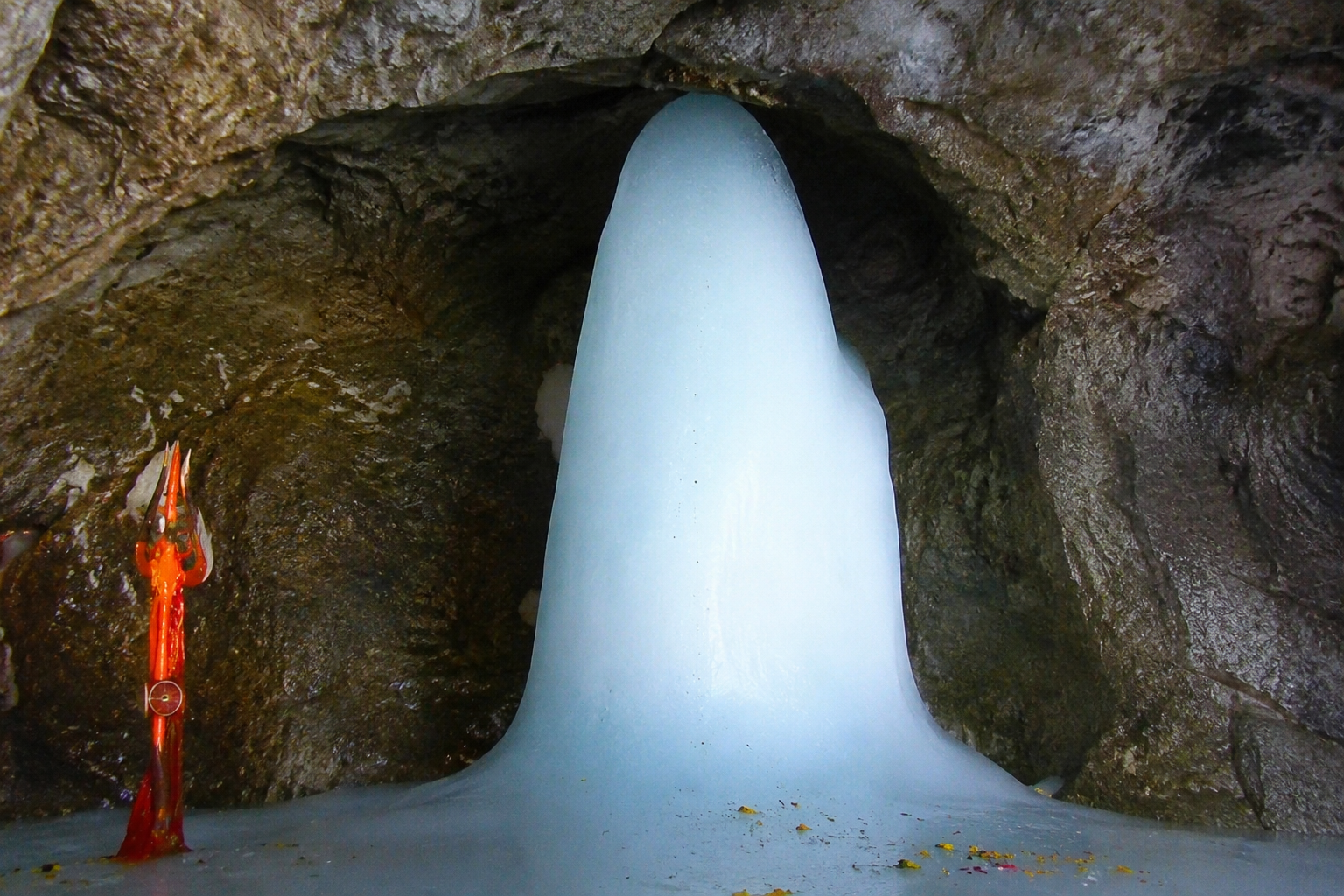
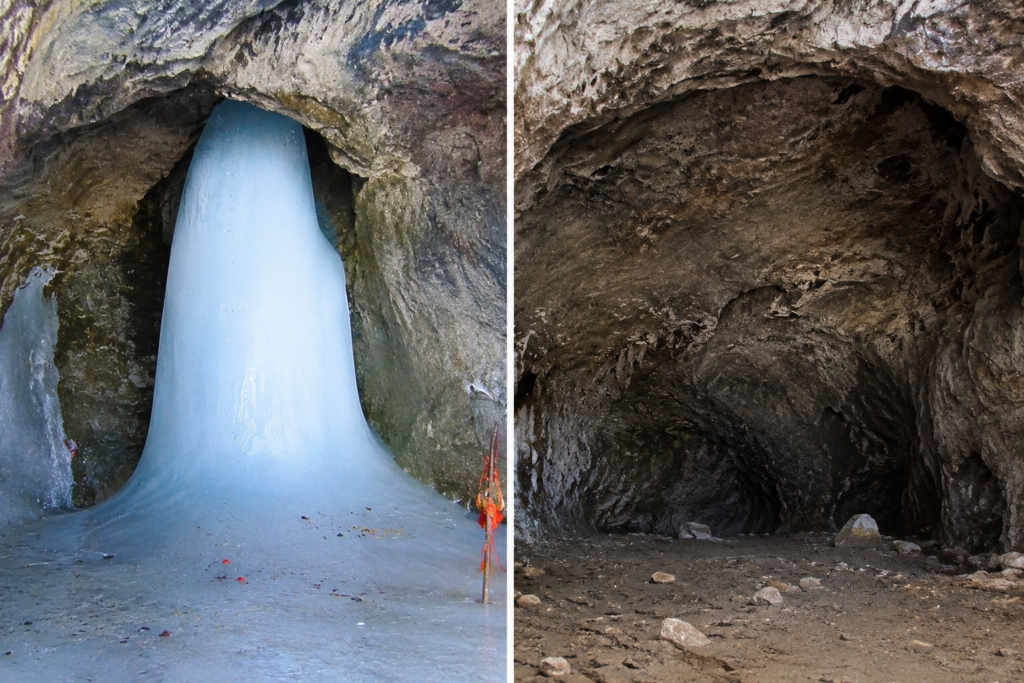
The sacred Amarnath ice lingam has shrunk dramatically within the first week of the 57-day annual pilgrimage, sparking concern among devotees and environmental observers. Reports from the cave shrine indicate that the naturally formed ice stalagmite, revered as Baba Barfani, has melted by more than 90 percent within five days of the Yatra. Thousands of pilgrims have continued visiting the shrine despite the rapid reduction in the ice formation. The early melting has revived discussions about the effects of climate change and increasing human activity in the fragile Himalayan region. Authorities have not yet released an official scientific assessment explaining the exact extent or cause of the melting.
Also Read : Rajkumar Hirani’s Pritam And Pedro Becomes This Weekend’s Most-Watched Streaming Show
Amarnath Yatra: Record Pilgrim Footfall Draws Attention
The Amarnath Yatra began on July 3 under heightened security following the 2025 Pahalgam terror attack, which had affected tourism and pilgrimage in Jammu and Kashmir. This year, the pilgrimage has witnessed an exceptional turnout, with tens of thousands of devotees visiting the shrine during the opening days. Officials reported that more than 93,000 pilgrims offered prayers within the first four days of the Yatra. Authorities also expressed concern about large numbers of unregistered pilgrims arriving without mandatory health certificates and RFID registration. The Shri Amarnath Shrine Board has continued enforcing the prescribed daily limit to ensure safe and orderly movement.
The shrinking ice lingam has prompted political leaders and environmental voices to seek greater attention to the shrine’s ecological conditions. PDP leader Iltija Mufti questioned the management of the pilgrimage and urged authorities to protect the fragile environment surrounding the cave. She referred to the Supreme Court-approved limit on daily pilgrim numbers while expressing concern over increasing pressure on the shrine. Congress spokesperson Ashwani Handa also called for an independent scientific study to determine whether recent infrastructure developments have altered the cave’s microclimate. Several public figures have urged authorities to balance religious tourism with environmental conservation.
Experts Highlight Climate and Infrastructure Concerns
Scientists have repeatedly warned that the Himalayan region is warming faster than many other mountain ecosystems across the world. Rising temperatures, changing snowfall patterns, and fluctuating humidity levels can significantly affect the seasonal formation of the Amarnath ice lingam. Experts also believe that expanding roads, temporary shelters, electricity facilities, community kitchens, and proposed infrastructure projects could influence the cave’s surrounding environment. Although these developments have improved pilgrim safety and accessibility, they may also increase ecological pressure on the sensitive mountain ecosystem. However, researchers have not officially linked the early melting to any single factor.
Officials continue monitoring the pilgrimage while ensuring security, crowd management, and essential services for devotees visiting the shrine. Religious leaders and environmental experts have emphasized the importance of preserving the cave’s natural ecosystem alongside facilitating one of India’s most significant pilgrimages. Historical records show that the size and duration of the naturally formed ice lingam have varied considerably depending on weather conditions in different years. The latest incident has renewed calls for evidence-based research to better understand the factors affecting the sacred formation. Authorities are expected to continue reviewing environmental conditions while maintaining arrangements for the remaining weeks of the Amarnath Yatra.
Also Read : Rajkumar Hirani’s Pritam And Pedro Becomes This Weekend’s Most-Watched Streaming Show
[…] Also read: Amarnath Yatra: Ice Lingam Melts Just Five Days After Pilgrimage Begins […]