

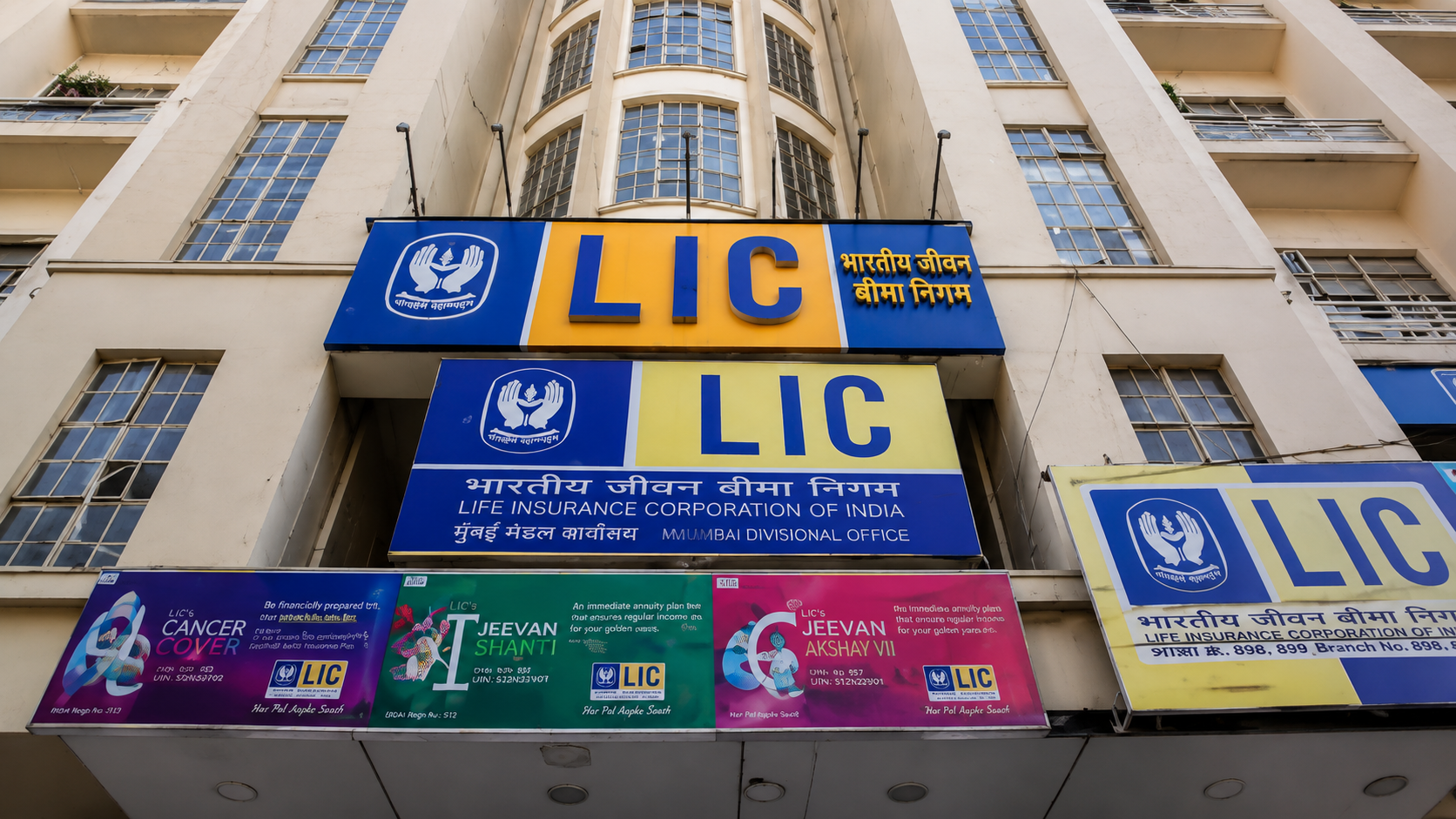
The central government carried out its ₹31,500-crore stake sale in Life Insurance Corporation of India through a carefully planned and highly confidential strategy. Officials revealed the transaction to key advisers only a few hours before launching the offer. According to reports, one investment banker received an urgent call to the Department of Investment and Public Asset Management (DIPAM) office in New Delhi without any explanation. After arriving, officials informed the banker that the government would launch the LIC share sale that same evening. They immediately asked the adviser to prepare the required stock exchange filing. The government restricted information to a small group of officials because it wanted to avoid unnecessary speculation in the stock market. This well-planned approach allowed authorities to complete one of India’s biggest secondary share sales without giving traders enough time to react.
Government Prevents Market Speculation Through Surprise Strategy
The government intentionally kept the launch date confidential to prevent traders from building positions before the massive share sale. Officials believed that any early information could increase selling pressure on LIC shares and affect the offer’s success. DIPAM shared details only with people directly involved in the transaction. Even the four investment banks advising the government received updates at different stages instead of learning the complete plan together. One adviser reportedly discovered the government’s decision shortly before the stock exchanges received official information. Another banker learned about the offer only after attending the unexpected meeting in New Delhi. Government officials also involved the remaining advisers only after market hours. This disciplined strategy helped authorities surprise the market and ensured that investors responded only after the offer officially entered the public domain.
The LIC stake sale also stood out because none of the four investment banks charged advisory fees for working on the transaction. Reports stated that one bank initially volunteered to provide its services without payment during the proposal stage. The remaining advisers followed the same approach and waived their advisory charges. Although such arrangements appear unusual, investment banks often value prestigious government assignments for reasons beyond immediate earnings. Large public-sector transactions strengthen their reputation, improve their standing in industry rankings, and showcase their ability to manage complex financial deals. These assignments also help financial institutions build long-term relationships with the government, creating opportunities for future mandates. As a result, the participating banks considered the strategic benefits more valuable than collecting advisory fees for this landmark transaction.
Also read:Tehelka Founder Tarun Tejpal Convicted in 2013 Workplace Rape Case
Strong Investor Demand Expands the Government’s Share Sale
The government initially offered only a 2.5 percent stake in LIC instead of placing the full holding in the market. Officials designed this strategy to generate strong demand and create confidence among institutional investors. They also kept an additional 4 percent stake ready for sale if investors responded positively. The plan delivered the expected results. Institutional investors subscribed to their portion of the offer 3.32 times, encouraging the government to activate the oversubscription option. Retail investors also participated, although their segment achieved a subscription level of 69 percent. Overall, investors subscribed the entire offer 1.2 times, allowing the government to sell a full 6.5 percent stake and raise nearly ₹31,500 crore. The carefully executed strategy transformed a limited initial offer into India’s biggest secondary share sale through the stock exchange.
The successful transaction delivered important regulatory benefits for LIC along with substantial revenue for the government. After completing the stake sale, LIC’s public shareholding increased to 10 percent, enabling the insurer to satisfy the Securities and Exchange Board of India’s minimum public shareholding requirement well before the May 2027 deadline. The sale also marked the government’s first reduction in its LIC ownership since the company’s historic initial public offering in 2022. Market experts believe the government’s disciplined planning, limited information sharing, and surprise launch played a major role in the transaction’s success. By the time traders and investors fully understood the development, the offer had already entered the market. The combination of secrecy, timing, and strong institutional demand helped the government complete one of India’s most significant equity sales smoothly and efficiently.
Also read:₹4,200-Crore UP Expressway Develops Damage Weeks After Inauguration