

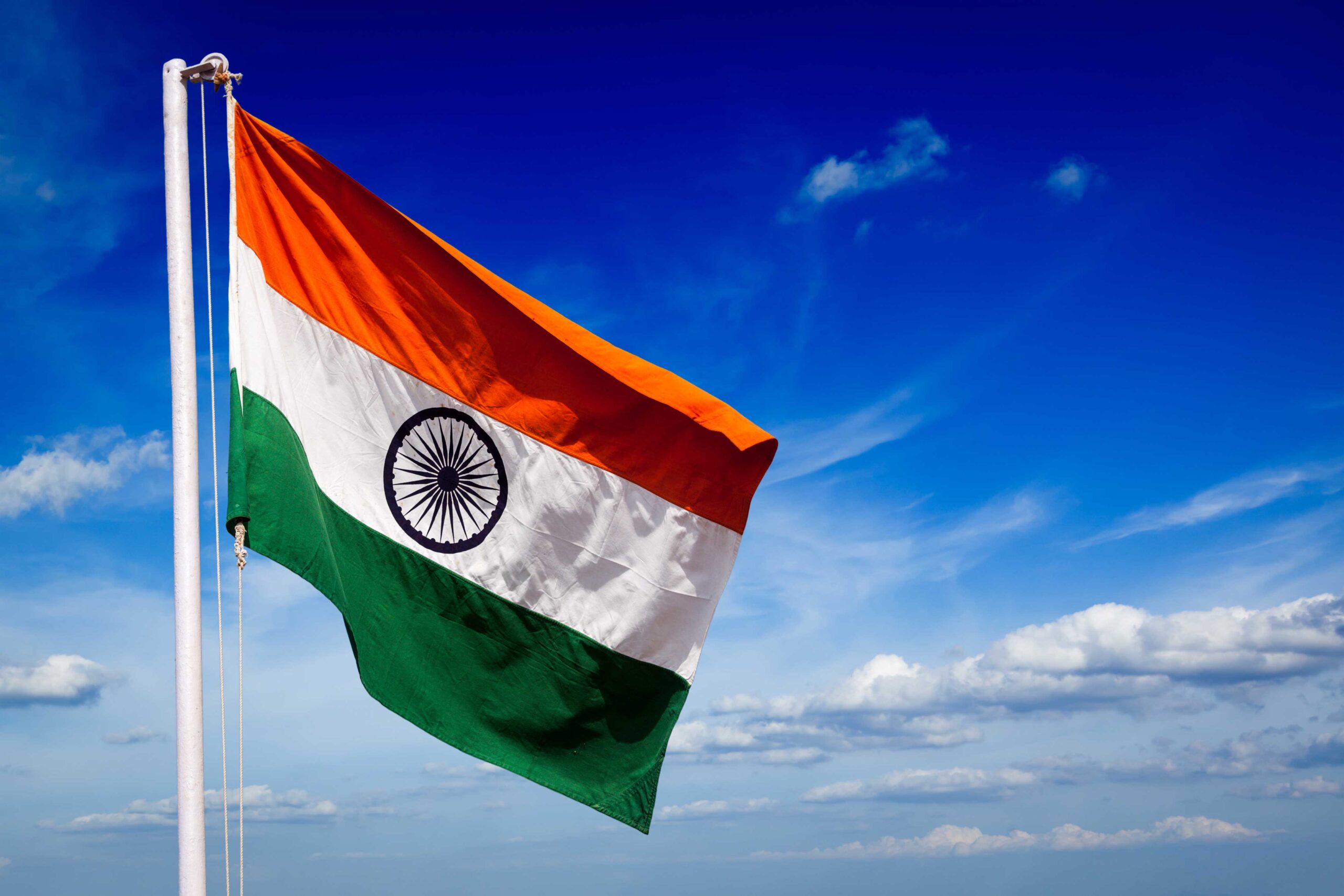
Former Bangladeshi Brigadier General (retd) Abdullahil Amaan Azmi said Bangladesh cannot have full peace unless India “breaks into pieces.” He made the remarks during an online discussion at Dhaka’s National Press Club. Azmi, son of former Jamaat-e-Islami chief Ghulam Azam, accused India of keeping unrest alive in Bangladesh. His statements sparked immediate outrage in India and drew criticism from analysts. Experts warned that such rhetoric could embolden extremist groups and destabilize regional relations. The remarks coincided with India-Bangladesh efforts to improve diplomatic ties. Azmi’s provocative comments quickly went viral on social media. Observers noted that his words reflect longstanding radical ideologies. Analysts described the statements as historically inaccurate and politically opportunistic.
Also read: Sources: Mohsin Naqvi Presents Trophy to UAE Board as BCCI Considers Impeachment Action
Extremist Mindset and Political Context for India
Azmi has often criticized India via social media and public statements. Defence expert Colonel Mayank Chaubey called these remarks reflective of extremist mindsets. He said parts of Bangladesh’s power ecosystem quietly support anti-India narratives. Chaubey stressed that India must remain alert and prepared against potential threats. Analysts noted the timing is sensitive due to Bangladesh’s upcoming elections. Extremist groups feel emboldened by statements like these. Jamaat-e-Islami’s resurgence in politics amplifies anti-India sentiment. Experts warned of long-term implications for bilateral security. Observers suggested strategic monitoring of political and extremist activities. Effective diplomacy requires vigilance, awareness, and preventive measures. Countering radical narratives is essential for regional stability.
Azmi accused India of supporting insurgency in the Chittagong Hill Tracts from 1975 to 1996. He claimed India provided arms, training, and shelter to the Shanti Bahini armed group. He criticized the 1997 Chittagong Hill Tracts Peace Accord as superficial. The accord had aimed to end decades-long insurgency between PCJSS and the government. Azmi alleged that surrendering weapons by Shanti Bahini was only symbolic. Analysts said these claims distort history and ignore India’s role in Bangladesh’s liberation. Experts warned that spreading such narratives risks inflaming nationalist sentiments. Observers said his comments were politically motivated. They suggested the remarks could destabilize bilateral cooperation. India’s diplomatic and security strategies need vigilance. Analysts urged historical facts to be highlighted to counter misinformation.
Also read: Dhanashree Verma Responds to Chahal’s Denial, Says She Caught Him Cheating Early On
Jamaat-e-Islami’s Political Influence
Jamaat-e-Islami, historically linked with Pakistan’s ISI, is regaining influence in Bangladesh. Student election victories at Dhaka University boosted the party’s visibility and popularity. Analysts warned that this revival could intensify anti-India rhetoric. The party often exploits historical revisionism to challenge India’s role in 1971 liberation. Experts emphasized that legitimizing such rhetoric may undermine regional cooperation. Azmi’s statements reflect opportunistic political positioning. Analysts stressed that India should monitor Jamaat’s activities closely. Strategic responses must combine diplomacy, security, and historical education. Awareness campaigns can help counter extremist narratives. Maintaining strong bilateral relations remains critical for regional stability.
Experts emphasize that Bangladesh’s peace cannot depend on India’s fragmentation. India played a crucial role in supporting Bangladesh’s independence in 1971. Millions of refugees were sheltered, and Indian forces ended West Pakistan’s repression. Analysts said calls to dismember India are politically and morally misguided. True peace requires cooperation, respect, and acknowledgment of shared history. Agitating for India’s collapse undermines liberation sacrifices. Strong, united India has historically strengthened Bangladesh’s security. Regional prosperity depends on rejecting extremist ideologies and fostering neighborly collaboration. Analysts recommended diplomacy, educational engagement, and strategic vigilance. Peace in South Asia requires dialogue, compromise, and trust-building.
Also read: Sources: Mohsin Naqvi Presents Trophy to UAE Board as BCCI Considers Impeachment Action