

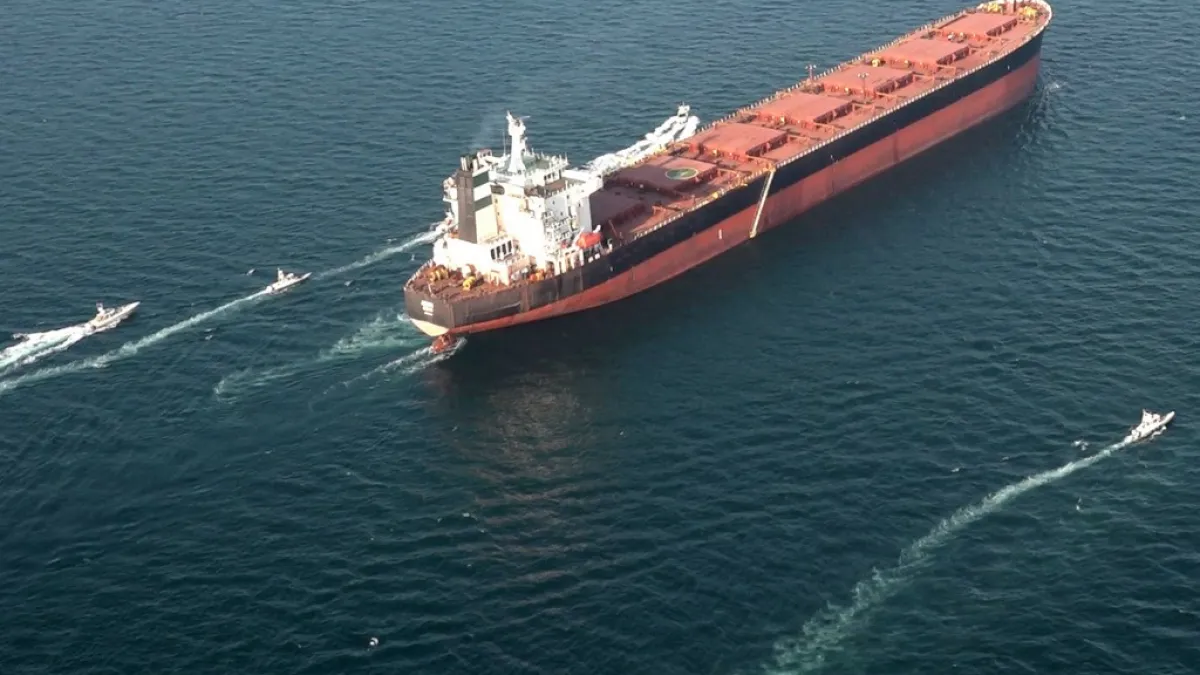
The Hormuz mission rejection has sparked major geopolitical tensions after Donald Trump criticized allies for refusing to join a naval operation in the Strait of Hormuz. This crucial waterway carries a significant portion of the world’s oil supply, making it strategically vital. Several allied nations declined the request, raising concerns about unity within NATO. Trump responded by stating that the United States does not need external support. The rejection highlights growing divisions among Western allies. It also reflects hesitation to engage in escalating conflict with Iran. The situation continues to evolve rapidly.
Hormuz Mission Rejection and NATO Allies’ Response
The Hormuz mission rejection became clear when major NATO members refused to deploy naval forces. Countries like Germany, Spain, and Italy cited legal and political constraints. German officials specifically mentioned the absence of approval from international organizations. This made it difficult for them to justify participation in the mission.
Additionally, many nations feared that joining the operation could escalate tensions in the region. The lack of prior consultation also contributed to dissatisfaction among allies. The Hormuz mission rejection reflects a cautious approach toward military involvement. It also signals weakening consensus within NATO. This division could affect future joint operations and defense strategies.
Also Read: India receives first oil shipment through Strait of Hormuz amid Iran-US war
Trump’s Reaction to Hormuz Mission Rejection
Following the Hormuz mission rejection, Donald Trump expressed strong dissatisfaction with allied nations. He emphasized that the United States has unmatched military strength and does not depend on others. Trump also indicated that the request was partly intended to test the loyalty of allies. His remarks underline long-standing concerns about unequal burden-sharing.
He further criticized the United Kingdom for its delayed willingness to assist. According to Trump, support offered after the conflict had eased was of little value. The Hormuz mission rejection has therefore strained diplomatic relations. It highlights growing frustration within US foreign policy. These tensions may influence future alliances.
Also Read: Kabul Hospital Strike Kills 400, Pakistan-Afghanistan Tensions Surge
Rising Tensions Around the Strait of Hormuz
The Hormuz mission rejection comes at a time of heightened conflict in West Asia. Military actions involving the US and Iran have already increased instability. Iran’s move to disrupt traffic in the Strait of Hormuz has raised global concerns. Several vessels have reportedly been targeted, worsening the crisis.
As a result, global oil markets are under pressure, with prices expected to rise. The Hormuz mission rejection adds uncertainty to an already volatile situation. International leaders are calling for restraint and diplomatic solutions. The risk of a prolonged regional conflict remains high. The world continues to monitor developments closely.
[…] Also Read : Hormuz Mission Rejection: Allies Refuse Trump Call […]