

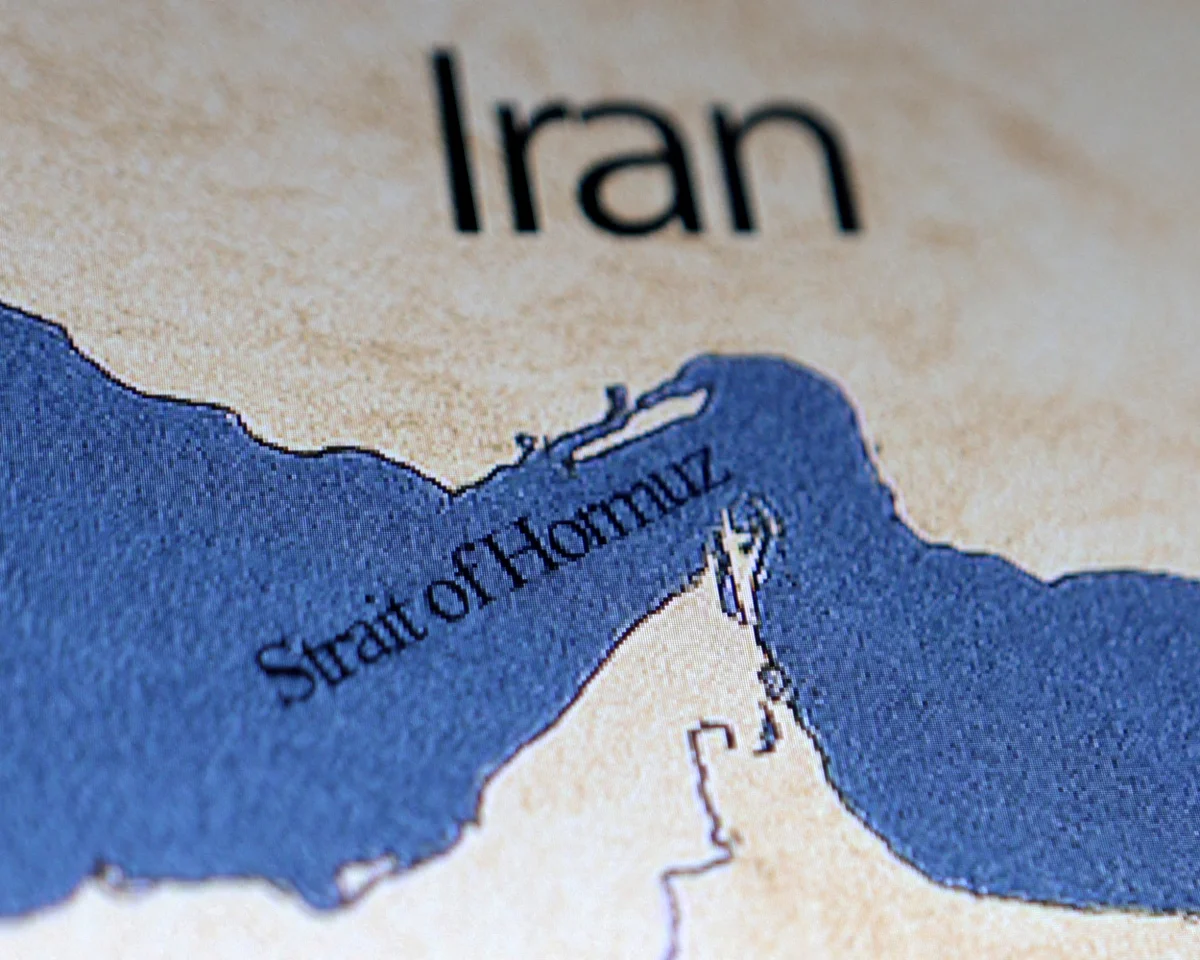
The Strait of Hormuz crisis has intensified after Iran warned that it would not allow even “one litre of oil” to be exported from the Middle East if attacks against it continue. The warning came shortly after Donald Trump threatened that the United States could take control of the strategic waterway if Iran interfered with global oil shipments.
The Strait of Hormuz is one of the most important energy transit routes in the world. Nearly 20% of the global oil supply passes through this narrow shipping channel, which lies between Iran and Oman. Any disruption to this route immediately affects global energy markets.
Why the Strait of Hormuz Crisis Matters
The current Strait of Hormuz crisis has already started impacting global oil prices. Reports indicate that crude oil prices have surged close to $120 per barrel, reaching a four-year high due to fears of prolonged supply disruptions.
Energy analysts say that if oil shipments remain blocked or restricted, global fuel prices could rise even further. Countries heavily dependent on Middle Eastern oil exports could face major economic consequences.
The conflict has also affected commercial shipping operations. Several oil tankers have slowed or halted transit through the strait as tensions between Iran, the United States, and Israel continue to escalate.
Also Read: Is Maharashtra’s Ladki Bahin Yojana experiencing a budget reduction?
Iran Responds to Trump’s Warning
Following Trump’s remarks about potentially taking control of the shipping route, Iran’s powerful military wing, the Islamic Revolutionary Guard Corps, issued a strong response.
According to Iranian officials, if military pressure or attacks against the country continue, the armed forces will prevent oil exports from the region entirely. This would significantly escalate the Strait of Hormuz crisis and disrupt global oil markets.
Also Read: Protest at Panjab University Over Lecture on Sikh Gurus
Global Impact of the Strait of Hormuz Crisis
The ongoing tensions highlight how fragile global energy supply chains can be. Since a large portion of the world’s oil travels through this narrow channel, any conflict in the region quickly affects international trade and fuel prices.
Experts warn that if the crisis continues to escalate, the global economy could face higher energy costs, supply chain disruptions, and increased geopolitical tensions.