

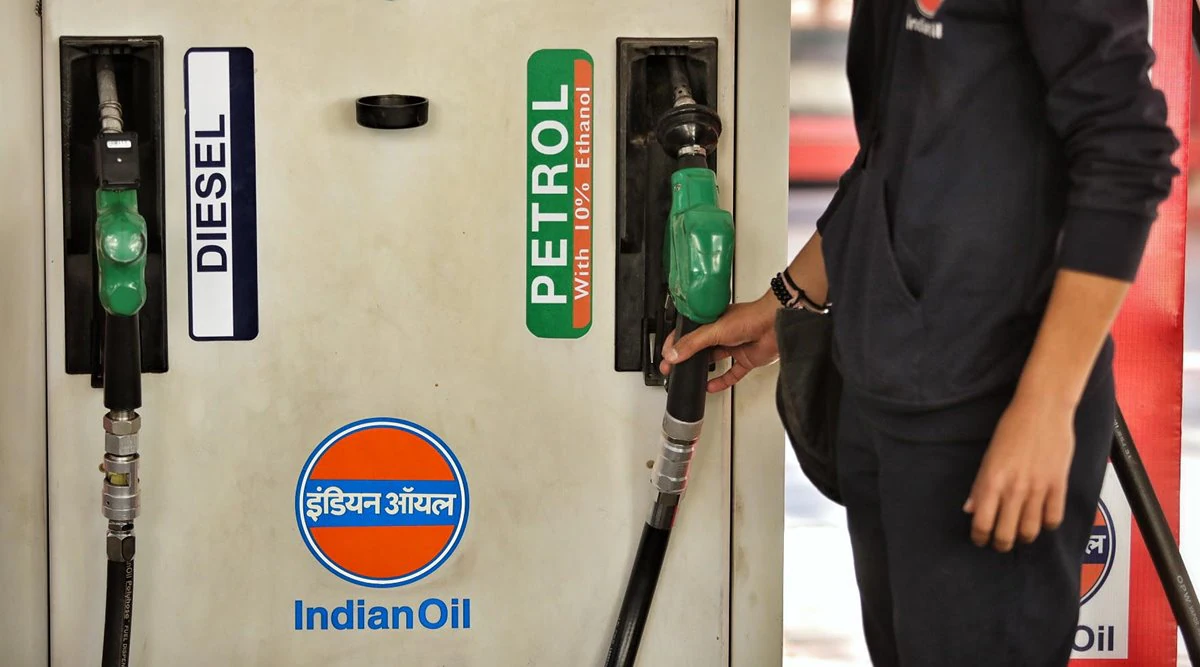
The ongoing Iran war has shaken rates in global oil markets and raised energy costs across South Asia. Consequently, petrol prices now vary sharply between neighbouring countries that rely heavily on imported fuel supplies. India has so far kept retail fuel rates stable despite volatility in global crude markets. Meanwhile, Pakistan has increased fuel prices significantly after authorities approved a major rise. Bangladesh, however, struggles with supply disruptions as shipments from the Middle East face delays. Moreover, uncertainty in shipping routes has intensified concerns for energy-dependent economies in the region. As a result, governments are adopting different strategies to control fuel availability and protect domestic markets.
In India, officials currently maintain petrol and diesel prices even after global crude briefly surged earlier. However, Brent crude rose close to 120 dollars per barrel earlier this week. Later, prices retreated and slipped below 90 dollars per barrel in international markets. Consequently, petrol prices across India still vary between major metropolitan cities and other regions. For instance, petrol costs about Rs 94.77 per litre in Delhi today. Meanwhile, prices reach roughly Rs 103.50 in Mumbai and about Rs 105.45 in Kolkata. Additionally, diesel remains cheaper, costing nearly Rs 87.67 per litre in Delhi.
Also Read: TCS sets new conditions for employee salary hike and promotion
Pakistan fuel rates surge after government announces sharp petrol, diesel hike
Pakistan, however, has responded to rising global oil costs by sharply increasing domestic fuel prices. Consequently, the government announced a major hike in petrol and diesel rates nationwide. Authorities raised petrol prices by about 55 Pakistani rupees to 321.17 rupees per litre. Similarly, high-speed diesel prices climbed to nearly 335.86 rupees per litre after the revision. As a result, transportation and commodity costs are expected to increase across the country. Meanwhile, analysts warn that further oil market volatility could pressure Pakistan’s economy further. Therefore, the government may face continued challenges in balancing energy affordability and fiscal stability.
Bangladesh, on the other hand, faces a different challenge as fuel supply disruptions affect domestic availability. The country imports nearly 95 percent of its total energy requirements from international suppliers. Consequently, the conflict has delayed several oil shipments arriving from the Middle East region. Currently, petrol sells for around 116 Bangladeshi taka per litre in local markets. Meanwhile, diesel costs about 100 taka per litre, with prices mostly unchanged since February. However, authorities introduced rationing policies to carefully manage limited fuel reserves nationwide. Therefore, officials also imposed limits on diesel sales to prevent shortages.
Meanwhile, the broader conflict continues to push global energy markets into deeper uncertainty. The fighting involving the United States, Israel, and Iran has disrupted key oil shipping routes. Consequently, exports from the Gulf region have faced delays and rising transportation risks. Iran has also warned it could block shipments passing through the strategic Strait of Hormuz. Notably, nearly 20 percent of the world’s oil supply moves through this vital route. However, the conflict shows no clear signs of ending despite military strikes launched days earlier. Therefore, continued geopolitical tensions could keep global fuel markets volatile for months.
Also Read: Air India Asks DGCA for Pilot Duty Relief