

India presents itself as a major security provider responsible for stability and protection across the Indian Ocean region. Iranian warship nearby has raised serious questions about that claim. Prime Minister Narendra Modi reinforced that message while addressing Indian Navy personnel during a gathering last October. Wearing a navy uniform and sunglasses, Modi praised maritime forces guarding trade routes and energy flows. He emphasized the Indian Ocean’s importance for global commerce, oil transport, and regional strategic balance. Modi declared that the Indian Navy serves as the guardian protecting this vast maritime space. Months later, events near Sri Lanka challenged those confident claims about India’s maritime protection role.
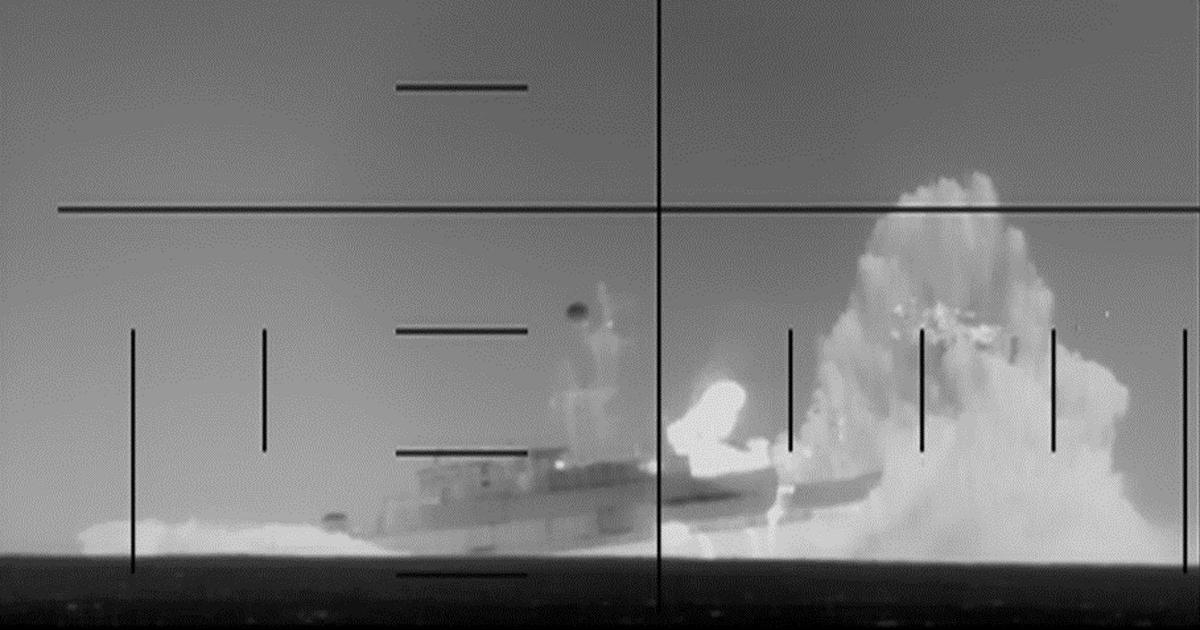
On March fourth, a United States submarine torpedoed the Iranian warship IRIS Dena near southern Sri Lanka. The vessel had just finished participating in the Milan naval exercise hosted by India. Only weeks earlier, Indian leaders welcomed Iranian sailors and posed for photographs during the drills. Despite the ship’s association with Indian exercises, the attack unfolded in nearby international waters. The strike shocked observers because it occurred within India’s wider strategic maritime neighborhood. Indian authorities took more than twenty four hours before issuing an official response statement. Meanwhile Washington officials openly described the sinking as part of broader pressure against Iran.
Also Read: Maharashtra Exporters Containers Stuck in Dubai Port
Iranian Warship Sinking Sparks Regional Tensions
United States Defense Secretary Pete Hegseth confirmed that an American submarine carried out the torpedo strike. He stated the Iranian vessel expected safety in international waters before the torpedo destroyed it. The attack triggered anger in Tehran because the ship was returning from Indian hosted exercises. Iran emphasized that the frigate had been a naval guest of India days earlier. Foreign Minister Abbas Araghchi condemned the incident as an atrocity far from Iran’s shores. He warned that Washington would regret establishing such a dangerous military precedent at sea. The destroyed frigate now lies on the ocean floor with many sailors dead or missing.
Sri Lankan naval teams rushed to the area and began rescue operations soon after the attack. Rescuers recovered more than eighty bodies from the wreckage floating in nearby waters. They also saved thirty two survivors including the vessel’s commander and several senior officers. More than one hundred sailors remained missing as search efforts continued across the ocean. Analysts said the incident damaged India’s claim of providing regional maritime security leadership. The attack highlighted limits of India’s influence within the waters it considers strategic. Former naval officers warned that conflict between global powers now threatens India’s maritime backyard.
India faced a diplomatic dilemma after the attack and struggled to respond publicly. Officials avoided criticizing the United States decision to sink the Iranian warship. Analysts questioned whether India knew about the operation or learned after the strike. Either scenario risked damaging India’s strategic credibility and regional diplomatic balance. Critics argued New Delhi appeared closer to Washington and Israel during rising tensions with Iran. Observers warned the episode could reshape perceptions of India’s influence across the Indian Ocean.
Also Read: C.V. Ananda Bose Resigns Ahead of Bengal Polls
[…] Also Read: US Sinking Iranian Warship Challenges Modi’s ‘Guardian’ Claims […]