

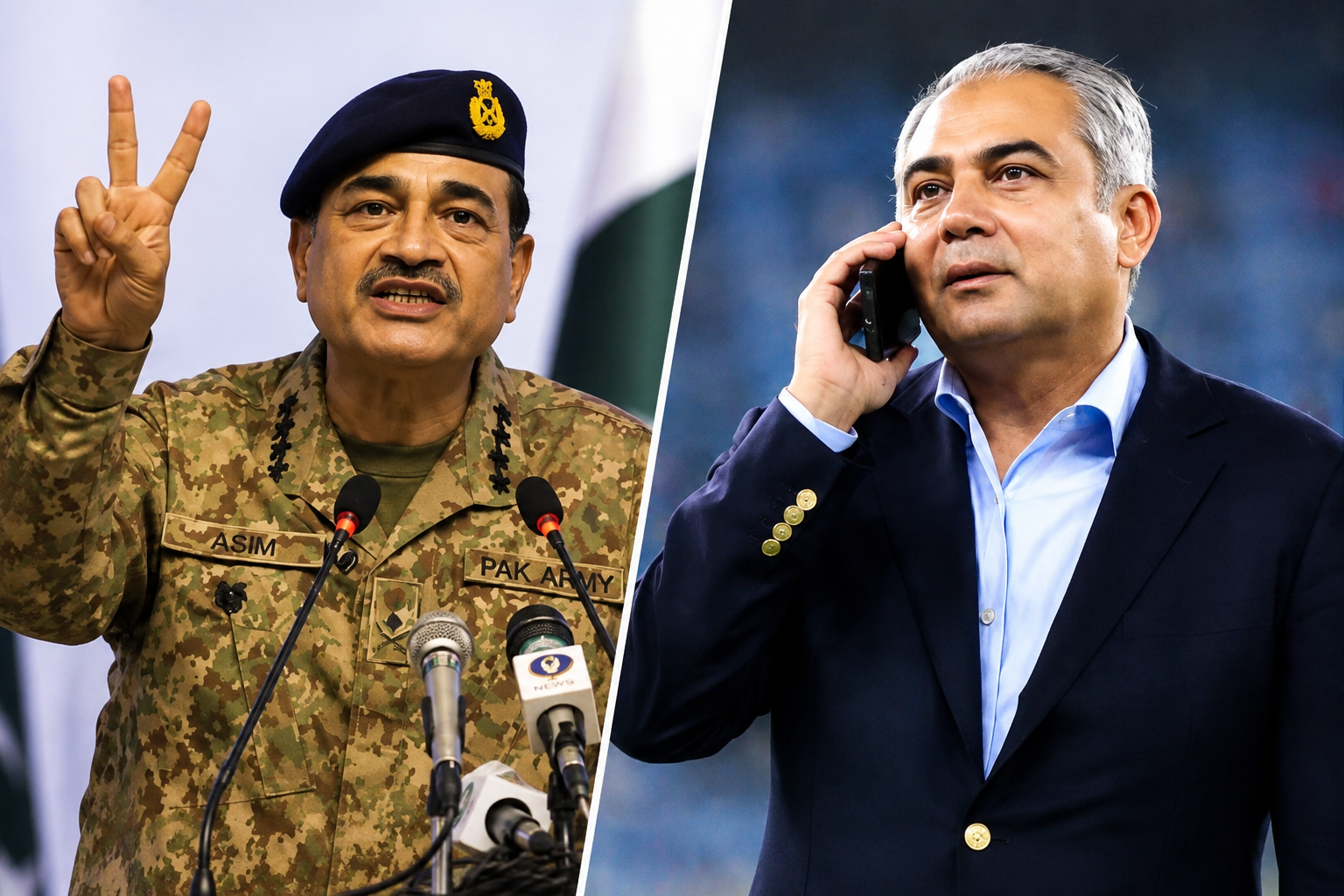
Pakistan’s Interior Minister Mohsin Naqvi has intensified political uncertainty with his recent explosive statements. He claimed that Pakistan’s governance system has completely collapsed after years of institutional failures. Naqvi also alleged that investigators uncovered the biggest corruption scam in Pakistan’s history. He said judges, bureaucrats, politicians, and bankers allegedly participated in the massive financial network. However, he refused to reveal the identities of the people involved in the scandal. Naqvi assured the public that authorities would pursue every individual responsible without exception. His remarks immediately triggered intense debate across Pakistan’s political and administrative circles. Analysts now believe these developments could signal an approaching power struggle within Pakistan’s leadership. The controversy has further exposed growing divisions inside the country’s already fragile political establishment.
Also read: Spider-Man: Brand New Day Becomes Second Biggest Global Opening After Avengers: Endgame
Growing Rift with the Sharif Government Raises Questions
Political observers believe Mohsin Naqvi’s recent comments have widened his differences with Prime Minister Shehbaz Sharif’s government. Naqvi enjoys a close relationship with Pakistan Army Chief General Asim Munir, according to analysts. Many experts believe this relationship has significantly strengthened Naqvi’s political influence in recent years. His repeated criticism of Pakistan’s governance structure appeared to indirectly target the current civilian leadership. Naqvi also proposed creating new administrative provinces to improve governance and public accountability nationwide. Pakistan’s military publicly supported his proposal and called administrative reforms necessary for national security. Analysts interpreted these developments as increasing pressure on the Sharif administration from influential military circles. The ongoing political tension has strengthened speculation about possible leadership changes inside Pakistan’s ruling establishment.
Defence analysts believe Mohsin Naqvi has long aspired to occupy Pakistan’s highest political office someday. He rapidly transformed himself from a successful media businessman into one of Pakistan’s most influential politicians. Experts claim Army Chief Asim Munir has consistently entrusted Naqvi with several important national responsibilities. During tensions involving the United States and Iran, Munir reportedly appointed Naqvi as his special representative. This decision allowed Pakistan’s military to project a civilian face during sensitive diplomatic engagements abroad. Analysts believe Munir currently exercises considerable influence over Pakistan’s defence, economy, and foreign policy decisions. They argue Naqvi’s rising prominence reflects the military’s broader political strategy inside Pakistan today. These developments continue to fuel speculation regarding future changes within Pakistan’s political leadership.
Also read:Chaos Outside Udhayanidhi Stalin’s Residence as Tamil Nadu Police Take Him Into Custody
Administrative Reform Debate Gains Fresh Momentum
Mohsin Naqvi reignited Pakistan’s long-running governance debate during the Pakistan Economic Summit last week. He argued that Pakistan urgently needs new provinces to improve accountability and administrative efficiency nationwide. Naqvi maintained that smaller administrative units would deliver better governance and faster public services. Pakistan’s military leadership supported his proposal and described administrative restructuring as strategically important. Many experts agree that Pakistan’s large provinces have become increasingly difficult to govern effectively over decades. Meanwhile, the ruling Pakistan Muslim League-Nawaz and Pakistan Peoples Party avoided commenting on the proposal publicly. Analysts believe both parties fear losing political influence if provincial boundaries undergo significant changes. Their silence has further intensified political speculation surrounding Pakistan’s future administrative and constitutional direction.
Pakistan Defence Minister Khawaja Asif strongly criticized Mohsin Naqvi following his controversial public remarks. Asif argued that Naqvi already holds enormous authority within Pakistan’s current power structure today. He questioned why someone occupying such influential positions continued criticizing the existing governance system publicly. Asif also accused Naqvi of rarely attending cabinet meetings and parliamentary sessions despite official responsibilities. He urged Naqvi to begin reforms within his own ministry before criticizing broader national institutions. Asif additionally challenged Naqvi to improve the Pakistan Cricket Board’s disappointing recent performance immediately. These public exchanges have exposed rare disagreements among Pakistan’s most powerful political and military figures. Analysts now believe Pakistan could witness a significant political realignment if current tensions continue escalating further.
[…] Also Read : Will Pakistan See a Power Shift Soon? Naqvi in Spotlight Amid Alleged Rift with Shehbaz … […]