

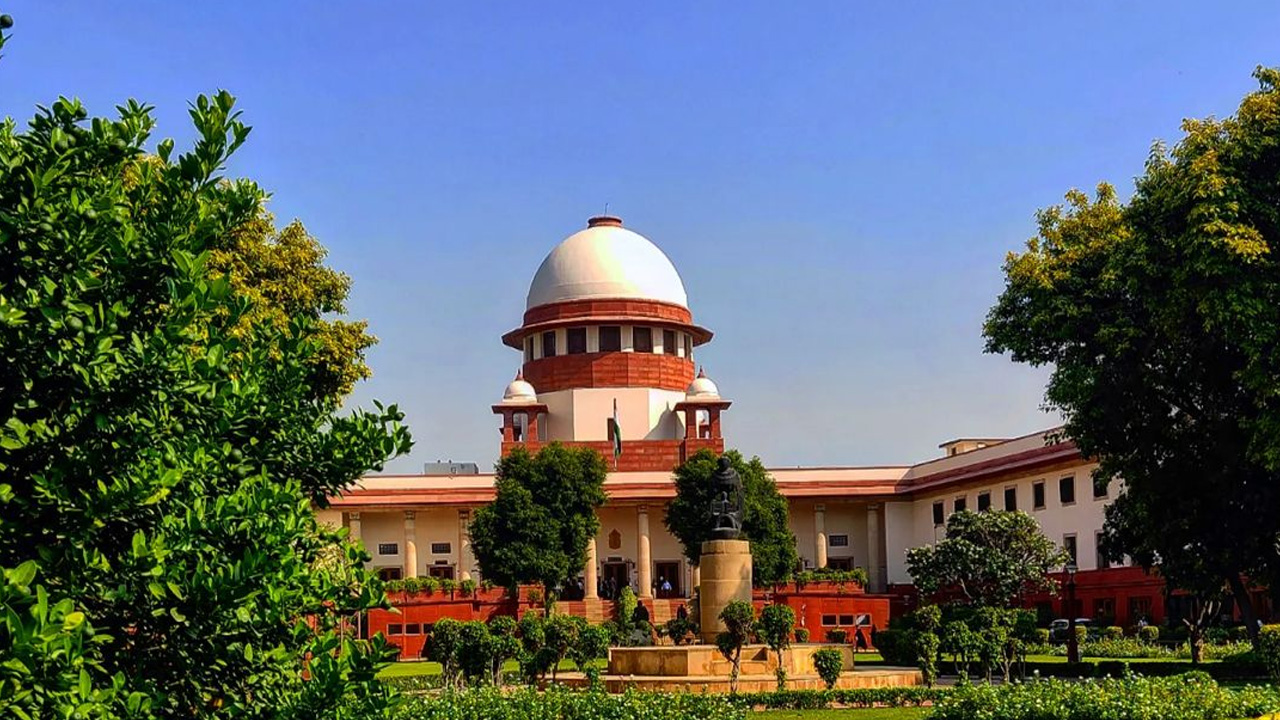
The Supreme Court upheld the Bombay High Court’s decision regarding Nagpur’s Futala Lake on October 7. It ruled the lake does not qualify as a wetland under the 2017 Wetlands Rules. The court stated Futala Lake is a man-made waterbody, excluding it from the statutory wetland definition. This allows the state government to continue temporary constructions near the lake. These include a floating restaurant, banquet hall, musical fountain, and viewing gallery. The court confirmed the High Court’s interim and final orders on this matter. The bench included Chief Justice BR Gavai and Justices Chandran and Anjaria. They dismissed the NGO’s petition opposing the constructions around Futala Lake.
Also read: Sources: Mohsin Naqvi Presents Trophy to UAE Board as BCCI Considers Impeachment Action
Supreme Court Confirms Futala Lake’s Status as Man-Made Waterbody
An NGO, Swachh Association, filed a Public Interest Litigation raising environmental concerns about Futala Lake. They argued the constructions violate the Wetlands (Conservation and Management) Rules, 2017. The NGO warned the temporary structures could harm the lake’s fragile ecology. They invoked the Public Trust Doctrine and Precautionary Principle to demand lake restoration. The state, however, claimed Futala Lake is a man-made waterbody, not a wetland legally. They presented all required permissions and approvals obtained for the projects. These included approvals from 2019, 2022, Heritage Committee, and Urban Development Department. The court considered these competing claims while reviewing the case.
The Bombay High Court ruled Futala Lake is not a statutory wetland but a man-made waterbody. It prohibited permanent constructions near the lake to prevent ecological damage. However, the court allowed temporary projects with strict environmental safeguards to continue. The court emphasized the need to balance development with environmental protection carefully. It acknowledged the lake’s ecological significance while permitting state-sanctioned constructions. This decision reflected sustainable development principles and the public trust doctrine. The court required all construction activities to comply with environmental norms strictly. This approach aims to prevent ecological harm while supporting limited urban development.
Also Read : Nitin Gadkari Major Warning After Operation Sindoor: ‘World War III Could Erupt Anytime
Balancing Development and Environmental Protection Through Public Trust Doctrine
The NGO appealed the High Court’s ruling to the Supreme Court, seeking to halt constructions. In January 2024, the Supreme Court imposed a temporary stay on construction activities near Futala Lake. It sought a detailed response from the state government on the structures’ temporary status. After reviewing the case, the Supreme Court affirmed the High Court’s decision. The court upheld the prohibition on permanent structures around the lake. It stressed the importance of protecting the environment while allowing temporary sanctioned projects. The court emphasized compliance with environmental safeguards and legal permissions during construction.
The Supreme Court highlighted the Public Trust Doctrine’s relevance to man-made waterbodies like Futala Lake. It stated this doctrine applies to both natural and artificial waterbodies, promoting ecological balance. The court connected this principle to the constitutional right to a healthy environment under Article 21. It emphasized sustainable development for public welfare, balancing ecology and progress. The court dismissed the NGO’s appeal, supporting responsible development with ecological safeguards. This ruling encourages protection of urban waterbodies while allowing carefully regulated growth. It reflects judicial recognition of the need to protect both environment and development interests.
Also read: Dhanashree Verma Responds to Chahal’s Denial, Says She Caught Him Cheating Early On