

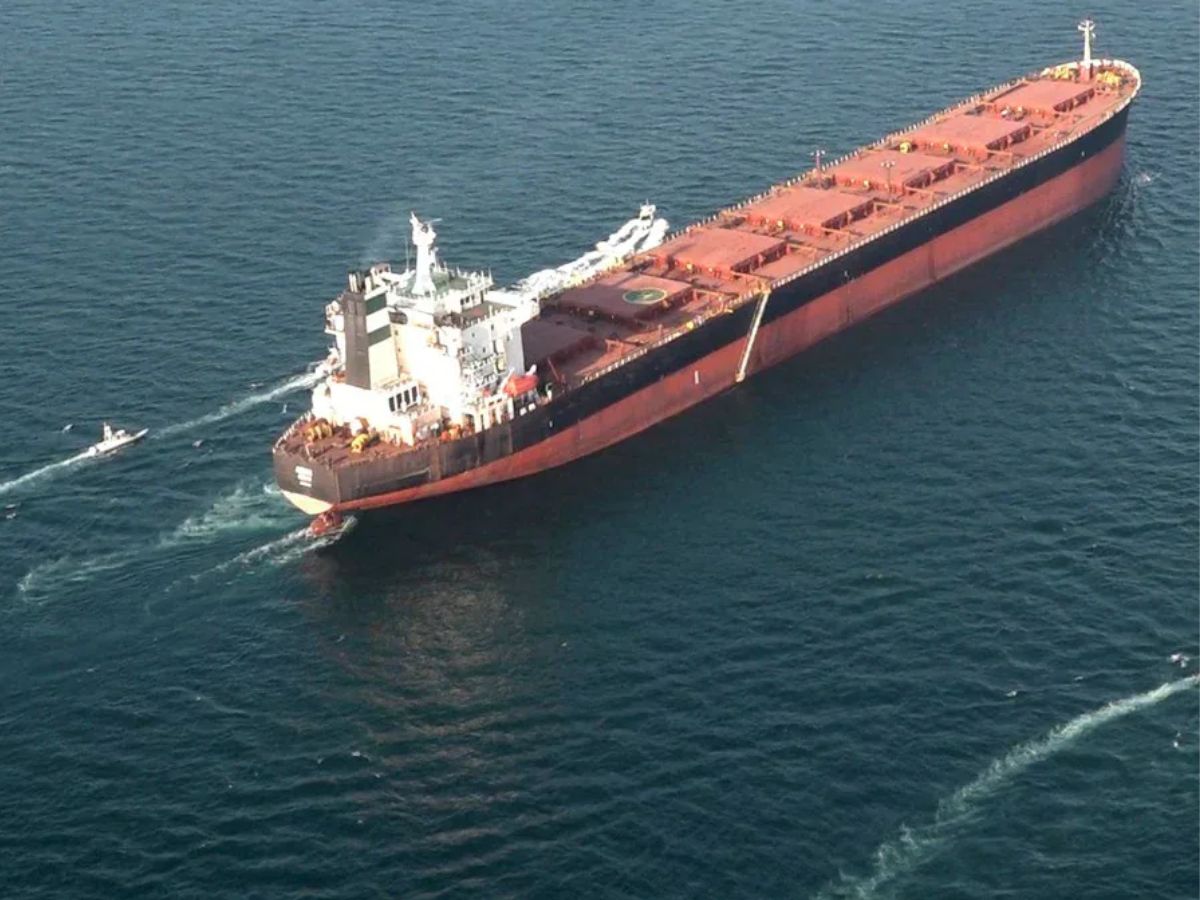
S. Jaishankar said Iran’s decision to allow two Indian-flagged gas carriers to pass through the Strait of Hormuz shows that diplomatic engagement between India and Iran has produced positive results. He explained that continuous dialogue between the two countries helped secure safe passage for the vessels despite the ongoing conflict in the region.
Two Indian gas carriers, Shivalik and Nanda Devi, carrying around 92,700 metric tonnes of LPG, successfully crossed the Strait of Hormuz while heading toward India. The route is extremely important because nearly 20 percent of the world’s oil supply passes through this narrow waterway.
In an interview with the Financial Times, Jaishankar said India prefers dialogue and coordination to resolve such challenges. He also revealed that he had spoken several times with his Iranian counterpart, Abbas Araghchi, after Iran restricted shipping through the strait. These discussions helped ensure the safe movement of the Indian vessels.
Jaishankar clarified that the arrangement does not involve any formal deal or exchange. According to him, India and Iran share a long-standing relationship, and both sides worked through diplomatic channels to address the issue. He added that discussions will continue because several other Indian ships are still operating in the region.
The development comes amid rising tensions involving the United States and Israel, which have carried out strikes on Iran. The situation has raised serious concerns about global energy security, as the Strait of Hormuz remains one of the world’s most crucial oil and gas shipping routes.
Also Read: North Korea Fires 10 Missiles Into Sea, Says Seoul
Jaishankar on India’s Energy Security
S. Jaishankar highlighted the importance of stable energy supplies as tensions continue to affect shipping through the Strait of Hormuz. India remains one of the world’s largest importers of liquefied natural gas and a major buyer of LPG, which millions of households use for daily cooking. Much of this fuel comes from producers in the Middle East and travels through the Hormuz route.
Because of supply pressure, the Indian government has prioritised LPG distribution for households and the transport sector to ensure essential needs are met. However, industries that depend heavily on gas have started feeling the impact of tighter supplies.
Several restaurants and manufacturers, including companies producing ceramic tiles and other gas-based products, have reported difficulties due to LPG shortages. Business groups warn that long disruptions could slow manufacturing and reduce industrial output.
[…] Also Read: Jaishankar Explains How India Secured Hormuz Route for Tankers […]