

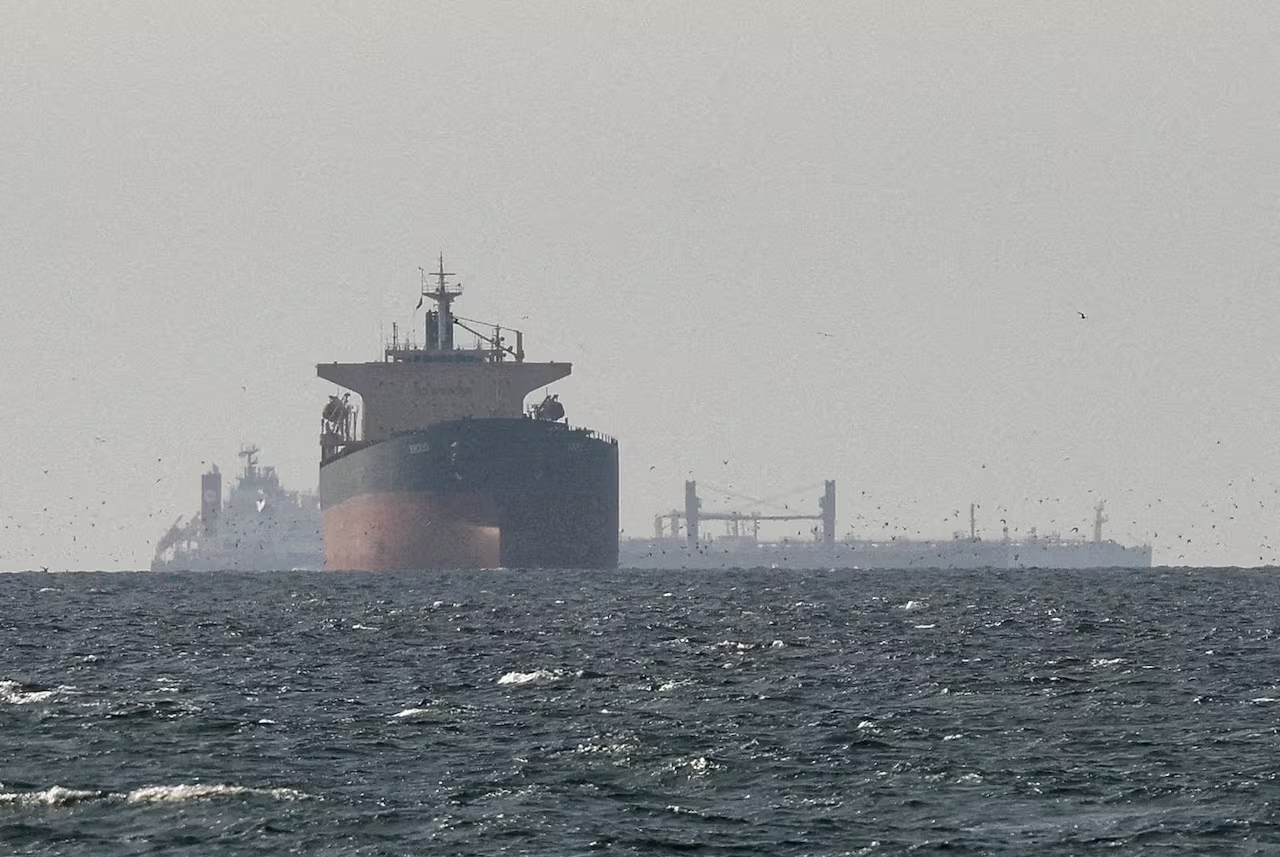
Iran has again shut the Strait of Hormuz after Israeli strikes against Hezbollah in Lebanon escalated tensions. The move comes despite a temporary two week ceasefire agreement previously reached between Iran and the United States. Iran now plans to charge oil tankers a one dollar per barrel toll for passing through waters. Authorities aim to tighten control over the strategic route while monitoring cargo movements during the fragile truce period. Officials say the policy ensures security and prevents weapons transfers through the narrow and highly sensitive maritime corridor. Shipping companies must comply with new rules or face delays and possible denial of passage through waters.
Iran requires vessels to submit cargo details before entering the strait as part of strict monitoring procedures. Authorities will assess each ship and inform operators about applicable toll fees payable using cryptocurrency methods. Officials claim digital payments prevent tracking or seizure risks linked to international sanctions currently imposed on Iran. Empty ships may pass freely while oil carrying tankers must pay the one dollar per barrel charge. Iran warns vessels against unauthorized transit and has threatened action against ships attempting to cross without prior approval. Shipping firms remain cautious as uncertainty continues regarding enforcement and safety conditions in the disputed maritime passage.
Also Read: India Fast Breeder Reactor Kalpakkam Breakthrough
Hormuz crisis: Shipping backlog grows amid uncertainty
Hundreds of vessels currently wait in the Gulf for safe clearance to pass through the Strait of Hormuz.
Estimates suggest around three hundred to four hundred ships remain stalled due to security risks and unclear regulations. Industry experts believe the backlog will take weeks to clear due to slow processing and strict monitoring requirements. Only a limited number of ships may pass daily under current conditions, significantly reducing normal traffic flow levels. Before tensions escalated, over one hundred ships crossed the strait daily, highlighting the scale of current disruption. Shipping companies continue evaluating risks while delaying transit plans until clearer guidance emerges from Iranian authorities soon.
Iran briefly agreed to reopen the strait under ceasefire terms but quickly reversed the decision following renewed tensions. Military authorities advised ships to consider alternative routes citing risks from sea mines and potential maritime collisions. The Revolutionary Guard issued warnings stressing compliance with safety measures for all vessels navigating the strategic waterway. Decisions regarding passage conditions rest with Iran’s national security leadership amid ongoing geopolitical instability in the region.
Major shipping firms state they are urgently seeking clarity before resuming operations through the critical global oil route. Uncertainty persists as global markets watch developments closely given the strait’s importance to worldwide energy supply chains stability.
Also Read: Beijing Angry Over Scientist’s Death After US Probe
[…] Also Read: Iran to impose $1-per-barrel toll on oil tankers in Strait of Hormuz […]
[…] Also Read: Iran to impose $1-per-barrel toll on oil tankers in Strait of Hormuz […]