

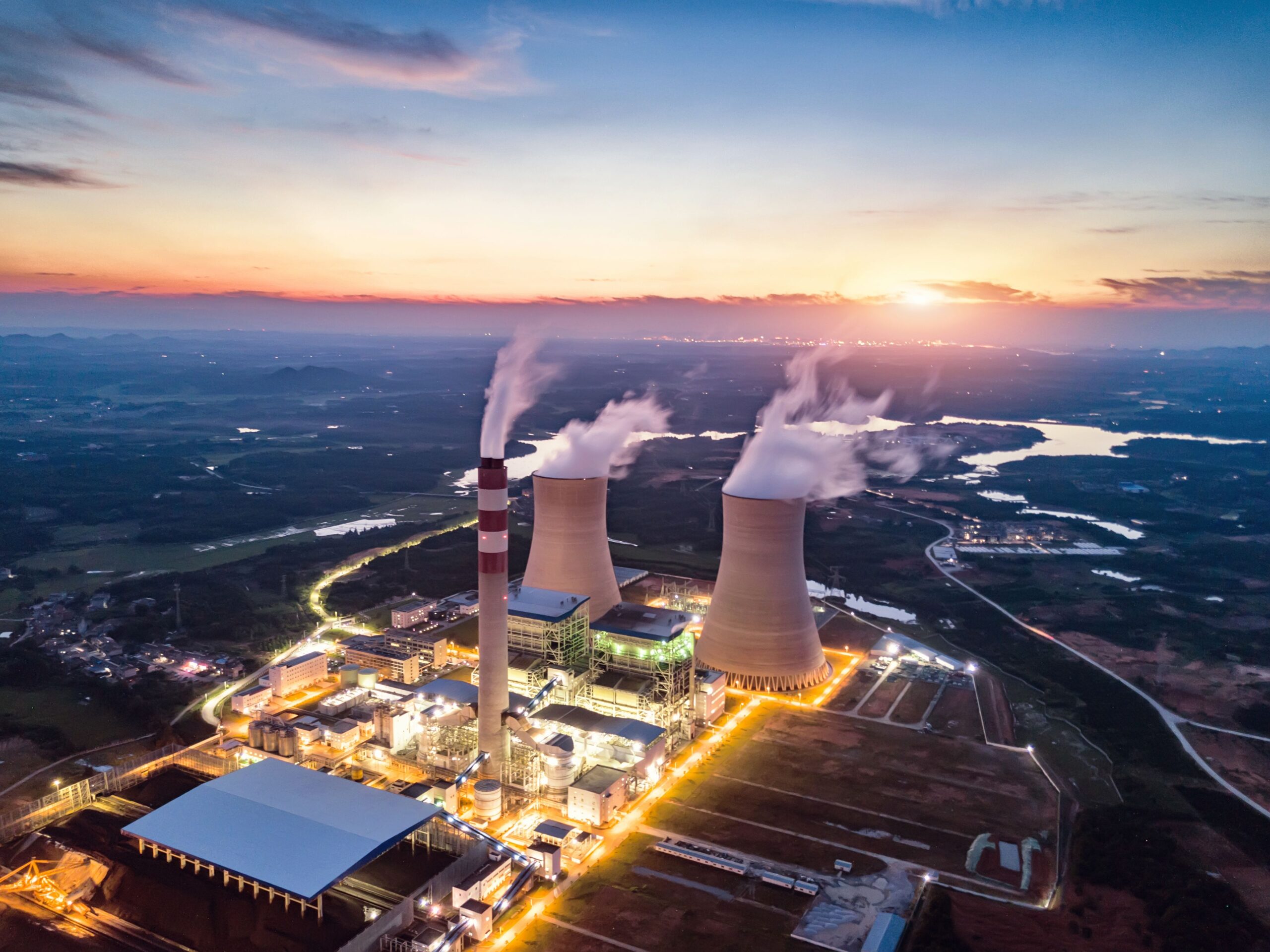
India has reached an important step in its nuclear energy journey with the successful first criticality of the Prototype Fast Breeder Reactor (PFBR) at Kalpakkam. First criticality means the reactor has started a stable nuclear reaction, which is a key stage in making it fully operational. Scientists achieved this milestone after more than 20 years of hard work and research.
The PFBR is different from the older Pressurised Heavy Water Reactors (PHWRs) that India has been using for years. With this development, the country has now moved to the second stage of its three-stage nuclear programme. This plan was first introduced by Homi J. Bhabha, who is known as the father of India’s nuclear programme. The aim of this plan is to use nuclear resources wisely and ensure long-term energy supply for the country.
Sreekumar G. Pillai, Director of the Indira Gandhi Centre for Atomic Research (IGCAR), called this achievement a historic moment. He said it is not just about starting a reactor, but about achieving a long-term goal that will help India become more energy secure.
The reactor is located near the Bay of Bengal and is a major example of modern technology and engineering. It is India’s first commercial fast breeder reactor. With this, India joins a small group of countries that have this advanced technology, including Russia.
This achievement will help India meet its future energy needs and reduce dependence on traditional fuels. It also shows the country’s progress in building clean and reliable energy sources for the future.
Also Read: Productivity Barriers: Causes of Slowdown and How Businesses Can Respond
India Builds PFBR Through Years of Scientific Effort
India has developed the Prototype Fast Breeder Reactor (PFBR) through many years of continuous effort by scientists, engineers, and policymakers. Sreekumar G. Pillai said that strong support from the government played a key role in achieving this milestone. He highlighted the leadership of Narendra Modi and the guidance from the Prime Minister’s Office, which helped ensure smooth decisions and steady progress.
He also appreciated the contribution of Jitendra Singh and other leaders from the Department of Atomic Energy. Scientists like Ajit Kumar Mohanty and Anil Kakodkar played an important role in guiding and shaping the reactor programme.
The project took nearly 20 years because it involved many technical challenges. Scientists had to work with liquid sodium, which is used to cool the reactor but reacts quickly with air and water. They also had to develop new systems, materials, and sensors that could work in very high temperatures. Since this was the first project of its kind in the country, there was no previous data to rely on, so the team had to test everything carefully.
The PFBR works differently from older reactors. It not only uses fuel but also produces more fuel during operation. This is why it is called a “breeder” reactor. Scientists explain that the reactor creates more usable material than it consumes, making it highly efficient.
Overall, this project has helped India gain new knowledge and move closer to long-term energy security.
Also Read: Khawaja Asif Row: Minister Removes Anti-Israel Post After Backlash
[…] Also Read: India Hits Nuclear Criticality, Termed ‘Akshay Patra Moment’ […]