

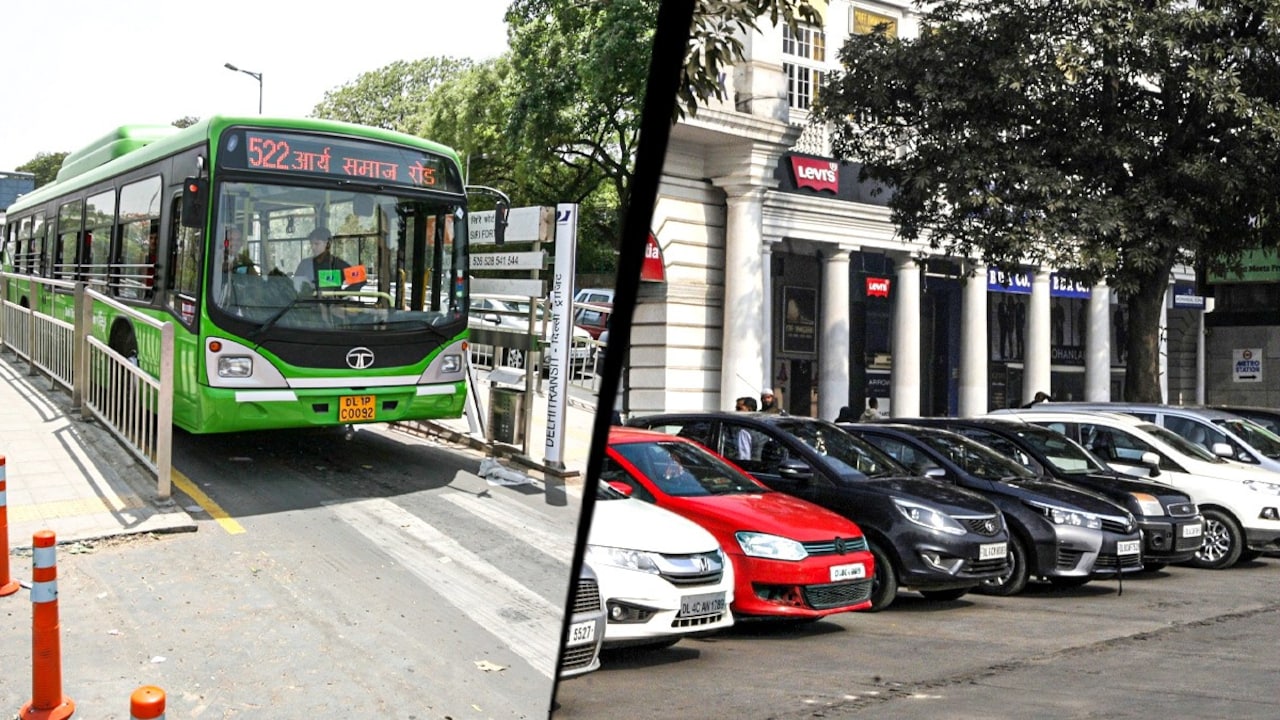
The Master Plan 2047 has also reopened the possibility of introducing the Bus Rapid Transit System on selected routes. Authorities may examine BRTS, trams, double-decker buses, and other public transport options where conditions support their use. The plan could identify suitable routes through a Comprehensive Mobility Plan. Officials also want to strengthen Delhi’s existing bus and Metro networks to improve public transportation. The proposal does not announce an immediate return of the earlier South Delhi BRTS corridor. Instead, authorities could consider dedicated bus routes after assessing traffic conditions and feasibility. The plan also mentions BRTS for certain land-pooling areas. Officials aim to create faster and more reliable public transport connections while reducing dependence on private vehicles. The proposal reflects a broader effort to provide commuters with more convenient alternatives to cars and two-wheelers.
Delhi Faces Growing Vehicle Pressure
Delhi’s Master Plan 2047 proposes dynamic parking charges in busy areas to discourage excessive private vehicle use. The plan could make parking more expensive during peak hours and periods of heavy congestion. Authorities want to use parking policies to encourage people to choose public transport, walking, and cycling. The plan also recommends better management of on-street parking and the development of organised parking facilities. Officials believe these measures can improve traffic movement and reduce parking pressure in crowded parts of Delhi. The policy will allow local authorities to prepare area-specific parking plans based on demand and congestion. These plans may include no-parking zones, parking regulations, and different charges for different locations. The Master Plan aims to make transportation more efficient without relying only on expanding road infrastructure.
Delhi continues to face significant pressure from its large number of registered vehicles and daily traffic movement. The city had around 87.6 lakh registered vehicles as of March 19, 2026, according to official figures. Two-wheelers accounted for the largest share, followed by cars and jeeps. Vehicles entering Delhi from neighbouring NCR areas further increase traffic congestion across the capital. The Master Plan therefore focuses on managing existing transport infrastructure more effectively. Authorities may create Parking Management Areas in markets and commercial hubs with heavy traffic. They could introduce higher parking fees in areas where demand remains consistently high. The plan also encourages people to use multi-level parking facilities instead of occupying roadside spaces. Residential areas could also receive stricter parking regulations, permits, and other measures to manage limited parking availability.
Also Read : U.S. Launches More Strikes on Iran as Tensions Rise; Bangkok Pub Fire Kills 27
Why Delhi Previously Scrapped BRTS
Delhi introduced its first BRTS corridor in 2008 to provide buses with dedicated road space. The system aimed to improve bus services and encourage more people to use public transportation. However, the corridor soon attracted criticism from motorists and commuters. Many motorists argued that dedicated bus lanes reduced road space for private vehicles and worsened congestion. Some commuters also raised concerns about bus stop access, road design, and traffic management. The controversy continued for several years as authorities faced criticism over the system’s performance. In 2016, the Delhi government decided to remove the controversial South Delhi BRT corridor. The government cited public demand, accidents, and traffic-related concerns behind the decision. The latest Master Plan approaches BRTS differently by considering the system only for suitable areas and specific routes.
The Master Plan 2047 places Metro and bus services at the centre of Delhi’s future public transport network. Authorities could use BRTS and other systems to supplement the existing network where they prove practical and effective. The plan seeks to discourage private vehicle use through parking policies while improving public transport facilities. Dynamic parking charges could encourage commuters to avoid driving into heavily congested areas during peak periods. Better parking management could also reduce roadside parking and improve traffic flow. However, the success of these proposals will depend on effective planning, enforcement, and coordination among government agencies. Authorities will need to identify suitable routes and set practical parking rates for different locations. If implemented effectively, the measures could influence travel habits and help Delhi build a more efficient and sustainable transport system.