

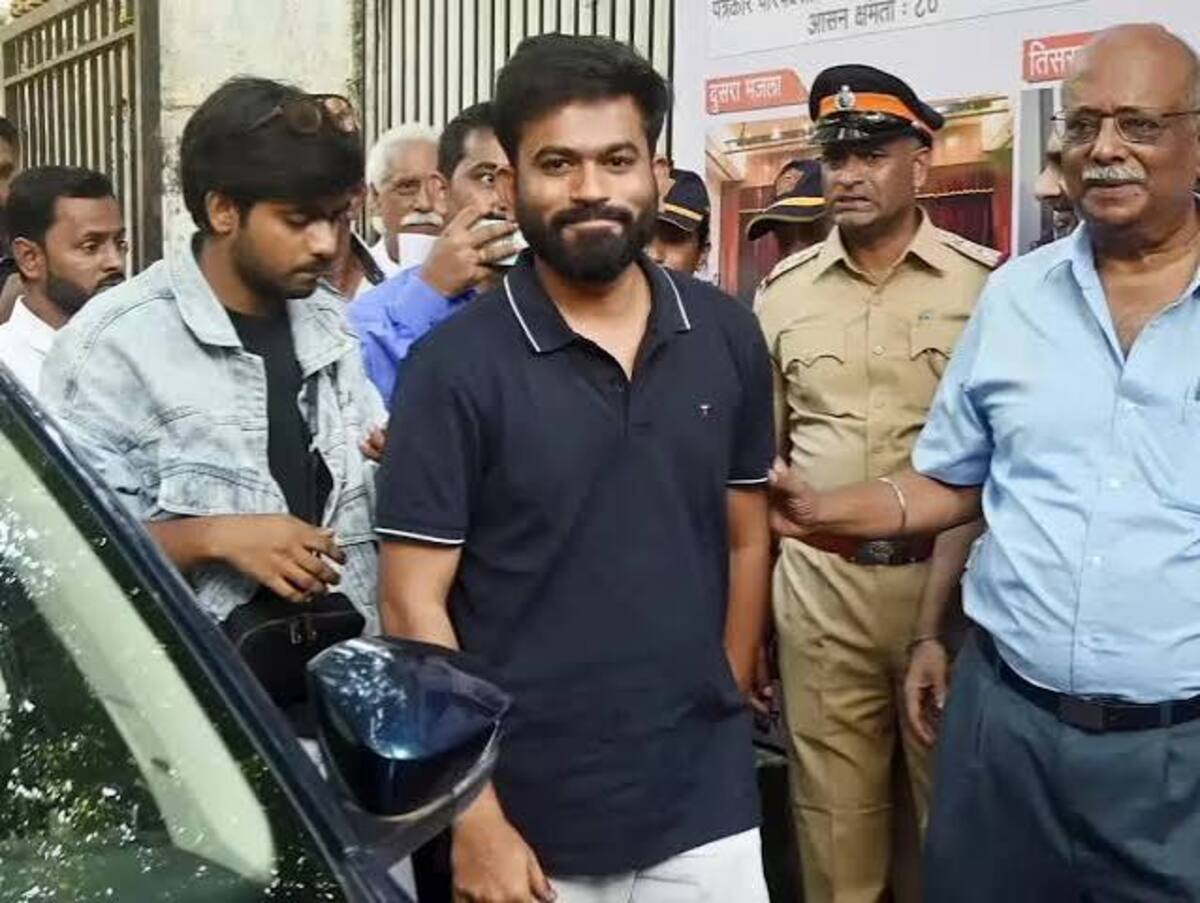
CJP founder Abhijeet Dipke was briefly taken to the Marine Drive police station on Thursday. He had arrived at the promenade with supporters carrying placards. The incident occurred ahead of the organisation’s proposed October 2 protest. A police team approached Dipke after noticing the placards during his gathering. A woman inspector reportedly accompanied him to the police station in a police van. According to a police official, the officer asked Dipke about his identity. She also asked him about his hometown during the journey. Police officials later described the incident differently from Dipke’s account. Mumbai Police denied that officers had formally detained him at Marine Drive. Officials said Dipke met people and questioned police personnel deployed around the area. The brief episode drew attention because it happened shortly before CJP’s planned protest. The organisation has announced demonstrations connected with demands involving electoral roll revision.
Police and Dipke Give Different Accounts
Mumbai Police maintained that officers did not detain Dipke during his Marine Drive visit. Police said he remained at the location while interacting with people. Officers also said he questioned personnel deployed for security and crowd management. Dipke later presented a different version of events to reporters. He said a woman police officer asked him to accompany her for tea. According to Dipke, the officer then took him to the Marine Drive police station. He said police later allowed him to leave the station without further action. Dipke claimed the officer mentioned that his tea remained pending there. He said nobody actually served him tea during his time at the station. Dipke alleged that authorities wanted to consume his time before Thursday’s events. He also suggested that senior officials may have directed his release. After leaving the station, Dipke continued his scheduled public engagements. He later shared photographs from his meeting with students at Ambedkar Hostel.
The incident occurred one day before CJP planned its October 2 demonstration. Dipke had announced that his organisation would hold protests on Gandhi Jayanti. The proposed demonstration focuses on allegations concerning electoral roll revision irregularities. CJP has demanded the resignation of Chief Election Commissioner Gyanesh Kumar. Dipke linked the demand to alleged irregularities during the Special Intensive Revision process. The organisation has publicly raised questions about the electoral roll revision exercise. However, authorities have not accepted those allegations as established findings. Mumbai Police has also denied permission for the proposed protest at Shivaji Park. Officials cited several reasons while explaining their decision regarding the gathering. Police referred to restrictions governing public gatherings at Shivaji Park. They also mentioned the absence of necessary civic permissions for the event. Authorities additionally raised concerns about traffic movement around the protest location. They said emergency vehicles could face difficulties if large crowds gather there.
Also Read : UP Shock: Two Saints Murdered, Bodies Burnt Inside Shahjahanpur Temple
Police Cite Security and Traffic Concerns
Mumbai Police has increased attention around areas connected with the proposed demonstration. Officials have considered crowd management and traffic movement while assessing the situation. Police said restrictions at Shivaji Park also affected the proposed gathering. Authorities require organisers to secure necessary permissions before holding public events. Police also cited concerns about maintaining smooth traffic movement around busy roads. Emergency vehicle access remained another concern mentioned by the authorities. The police decision means CJP cannot hold its proposed gathering there as planned. Dipke and his supporters have continued discussing the organisation’s protest programme publicly. The Marine Drive incident added another development before the planned October 2 event. Police and Dipke have offered different accounts of what happened at the promenade. Mumbai Police described his presence as an interaction with people and officers. Dipke described his movement to the station as an episode intended to delay him. Neither side has provided an independent account resolving the difference between their claims.
The October 2 protest relates to CJP’s demand over electoral roll revision. Dipke has accused authorities of irregularities during the Special Intensive Revision exercise. He has connected those allegations with his demand for the CEC’s resignation. The Election Commission has not been established as responsible for wrongdoing through the claims alone. The proposed protest therefore remains linked to an ongoing political dispute. Police restrictions focus separately on permissions, public gatherings and traffic management. Authorities have cited existing rules governing events at Shivaji Park. They have also considered the movement of emergency vehicles through surrounding roads. CJP’s planned demonstration therefore faces restrictions from Mumbai Police. Dipke’s brief visit to the police station occurred against this backdrop. The organisation may continue raising its demands through permitted public activities. Further developments will depend on police decisions and CJP’s next steps. Authorities may also issue additional instructions regarding gatherings and traffic arrangements.