

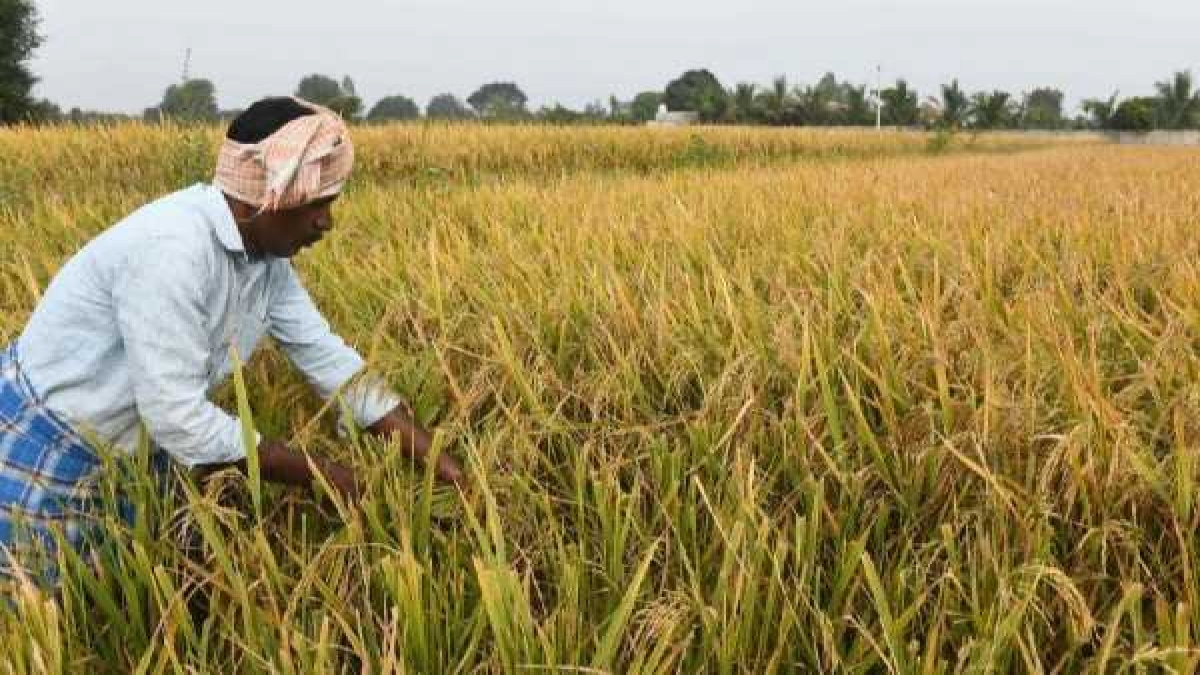
India’s transformation from a recipient of food aid to the world’s largest rice exporter is remarkable. In the 1960s, India was facing a severe food crisis, heavily dependent on low-grade wheat from the United States. Under the US Public Law 480 “Food for Peace” program, India received millions of tonnes of wheat. However, this wheat was often contaminated with seeds like parthenium weed, rendering it unsuitable for human consumption. This reliance on substandard wheat and the growing food insecurity highlighted India’s dependency on foreign aid to feed its population.
Also read: Dhanashree Verma Responds to Chahal’s Denial, Says She Caught Him Cheating Early On
From Food Aid to Agricultural Powerhouse
The turning point came with the Green Revolution in the late 1960s, led by the Indian government. This movement introduced new farming techniques, including high-yielding wheat and rice varieties, along with chemical fertilizers. India’s agricultural landscape began to change with the development of irrigation infrastructure, better seeds, and mechanization. By the mid-1970s, India had achieved self-sufficiency in wheat production, reducing its dependence on foreign wheat imports. This marked the beginning of a shift toward agricultural independence for the country.
As India’s agricultural sector grew stronger, its rice production soared, making it a major global supplier. The Green Revolution, while focused on wheat, also benefited rice cultivation, especially in key regions. By the 1990s, India began to export both wheat and rice, gradually building a strong global presence. Today, India exports over 22 million tonnes of rice annually, becoming the world’s largest rice exporter. This transformation from food insecurity to agricultural dominance has been a significant achievement for India, showcasing the impact of long-term policy changes.
Also read: Sources: Mohsin Naqvi Presents Trophy to UAE Board as BCCI Considers Impeachment Action
How India Shifted from Dependence to Dominance in Rice Exports
India’s rice exports to the US have now become a substantial part of global trade. While the US once relied on India for food aid, the situation has drastically reversed. The US now imports a large quantity of rice from India, particularly aromatic varieties like basmati. The US rice market has grown due to shifts in demographics, especially with increasing Asian and Hispanic populations. As a result, the consumption of rice per capita in the US has more than doubled since the 1970s, with India being a major supplier.
This dramatic shift in India’s agricultural capabilities is a testament to its resilience and innovation. From a nation facing severe food shortages to a global leader in agricultural exports, India’s journey has been transformative. Despite occasional trade tensions, such as the recent tariff threats from the US, India continues to thrive as a food exporter. The country’s success story highlights the critical role of agricultural policies, technological advancements, and the Green Revolution in shaping India’s agricultural future. Today, India not only feeds its own population but also supplies essential agricultural products to over 120 countries worldwide.
Also read: Dhanashree Verma Responds to Chahal’s Denial, Says She Caught Him Cheating Early On
[…] Also Read: From wheat aid receiver to rice exporter how India flipped the US script […]