

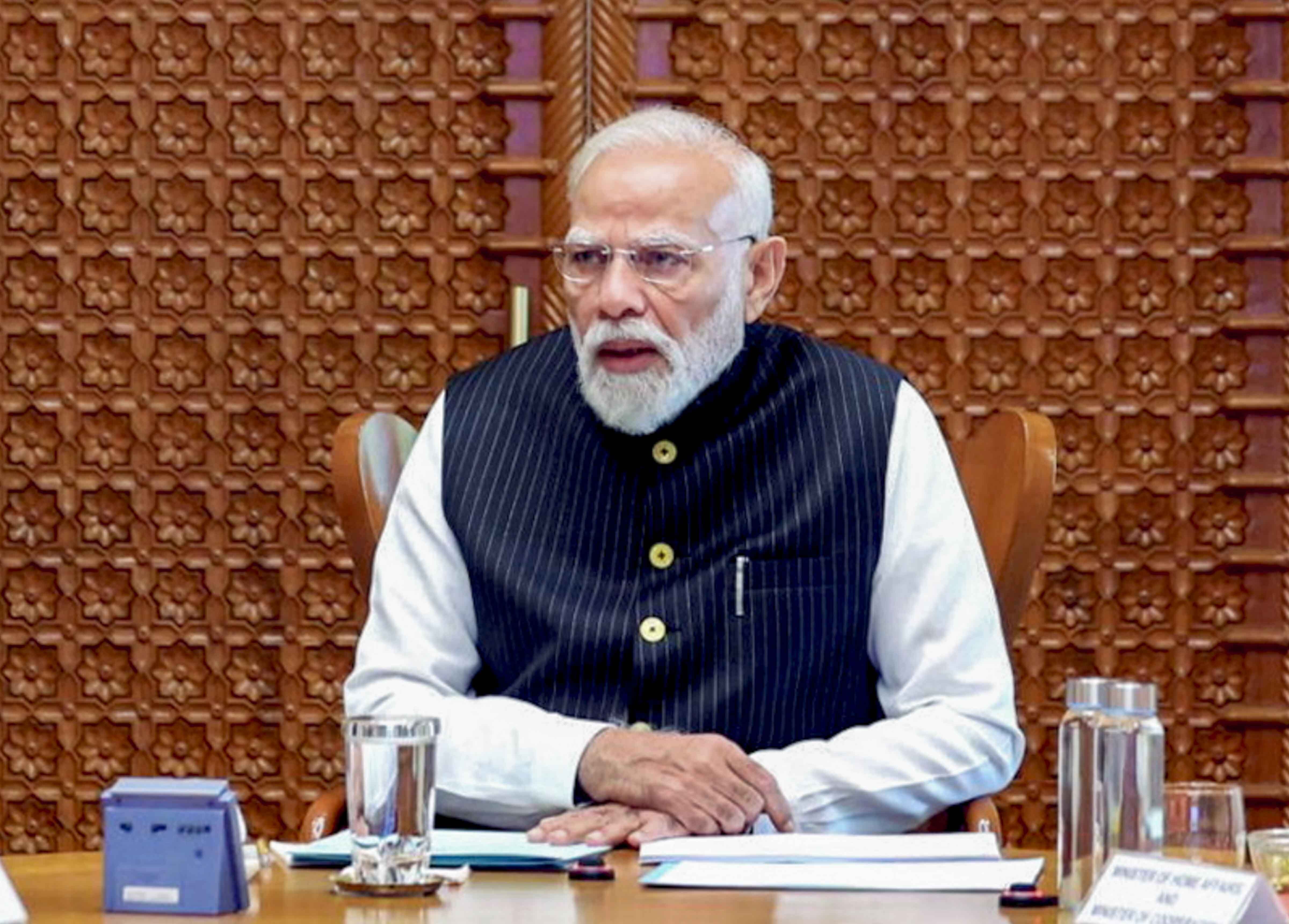
Rising tensions in West Asia and instability in global energy markets have sparked concerns about possible “lockdown-like” restrictions in India. Soon after recent remarks by Prime Minister Narendra Modi in Parliament, online searches such as “India lockdown again” and “lockdown news” began trending. His reference to the COVID-19 period while discussing the ongoing conflict led many people to draw comparisons, War increasing public anxiety.
However, experts have clarified that the current situation is very different from a health crisis and does not require nationwide restrictions. They believe the concerns mainly stem from fears of economic disruption rather than any immediate plan for a lockdown. The uncertainty in energy supplies and rising global tensions have created a sense of caution among citizens.
During his address in both the Lok Sabha and the Rajya Sabha, Modi highlighted the possible long-term impact of the conflict. He said the government had earlier protected farmers from global crises and would continue to do so. He also urged people to stay prepared and united, just as they did during the pandemic.
The Prime Minister pointed out that the ongoing conflict could have serious side effects, especially on fuel, fertilisers, gas, supply chains and inflation. To handle these challenges, the government has formed seven empowered groups. These groups will focus on managing key sectors and ensuring stability, following a strategy similar to the one used during COVID-19.
Modi also confirmed that India remains in contact with all major parties, including Iran, Israel and the United States, and continues to support peaceful dialogue. Although these steps have increased speculation, the government has not announced any lockdown measures so far.
Read Also: India Says Fuel Reserves Adequate, LPG Supply Running Smoothly
War Impact Raises Concerns Over Energy and Economy
India remains highly vulnerable to global energy shocks because it imports most of its crude oil. When oil prices rise, fuel costs increase quickly. This directly affects LPG prices, fertiliser subsidies, and transport expenses. As a result, businesses face higher input costs, and supply chains start feeling pressure. Experts warn that a prolonged energy crisis could widen the current account deficit and weaken the rupee.
Despite rising concerns, experts say the government is focusing on preparedness rather than imposing restrictions. Authorities have created empowered groups to ensure steady supply, control inflation, and prevent shortages. Unlike the COVID-19 crisis, this situation does not involve a health emergency. Instead, it reflects an economic challenge caused by global tensions and supply disruptions.
The government has not indicated any plan to impose lockdown-like curbs. Instead, it aims to keep economic activities running while managing risks. However, if conditions worsen, authorities may introduce targeted measures. These could include prioritising fuel supply for essential services, managing LPG and fertiliser distribution, and promoting efficient energy use. Such steps would focus on resource management rather than limiting public movement.
Overall, fears of another lockdown appear driven more by perception than actual policy. The government continues to prepare for challenges but has not taken any steps toward restrictions like those seen during the pandemic.
Also Read: Iran Mocks Trump’s Negotiation Claims as Tensions Rise
[…] Also Read: War Fallout Raises Concern of Lockdown-Like Curbs in India […]