

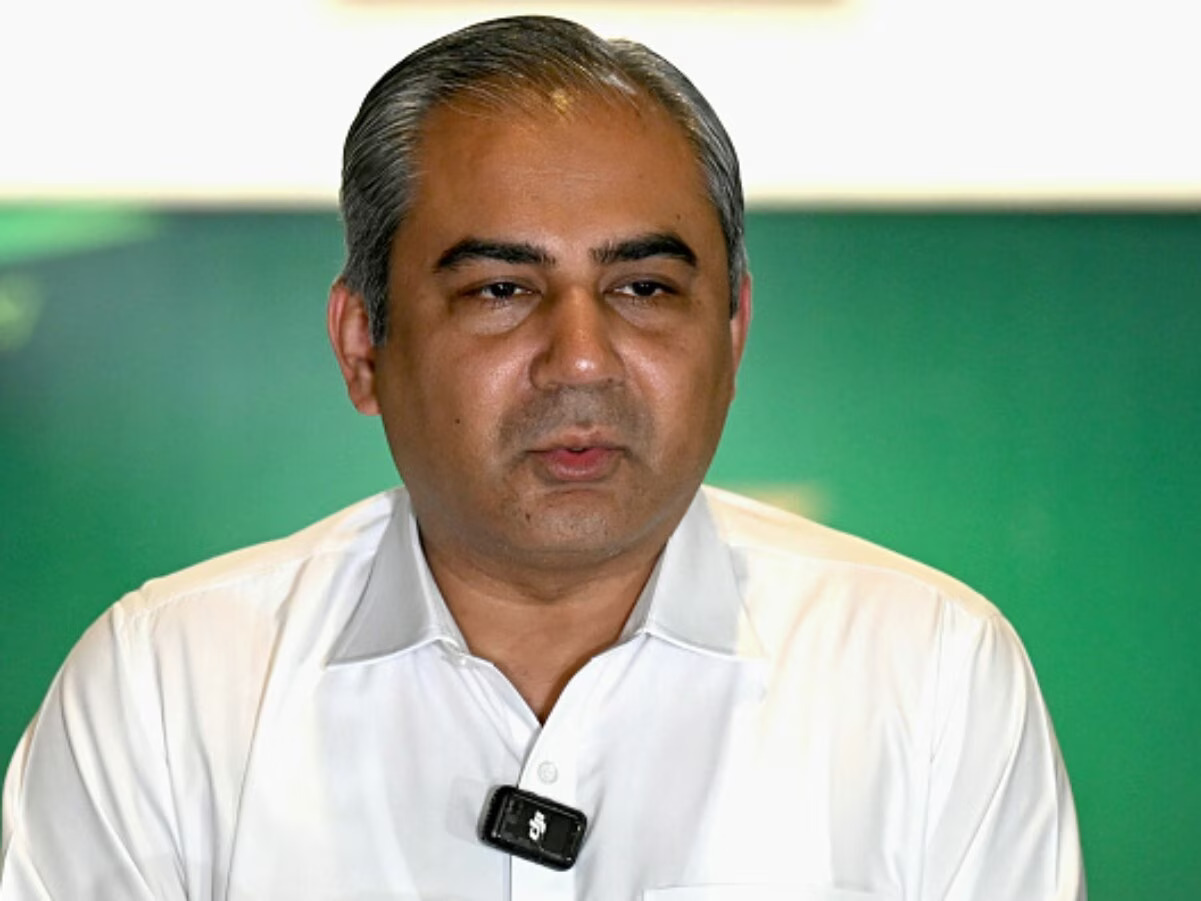
Pakistan must decide on their participation in the T20 World Cup within the next 24-72 hours, as the tournament begins on February 7, with the India-Pakistan match scheduled for February 15 in Colombo. The decision is more than just a yes/no; it involves choosing between four options, each with different consequences. The simplest choice is to play as scheduled, avoiding contractual grey areas and media distractions. By doing so, Pakistan can maintain control of their campaign, avoid giving rivals free points, and meet their commercial obligations. The challenge lies in managing domestic optics, as reconciling previous hardline statements with a return to normalcy requires careful communication, which is more of a PR issue than a tournament problem.
Also Read: Indian Rupee Hits Record Low of 92 per Dollar, Down 2% So Far This Year
The most strategic approach for Pakistan could be to participate in the World Cup while protesting symbolically, as it allows them to make a political statement without jeopardizing their commitment to the tournament. This method keeps the team’s participation intact on merit, not just points, and causes minimal disruption for the ICC and broadcasters, letting fixtures remain unaffected and inventories stay sellable. On the other hand, a selective boycott, such as refusing to play against India, could lead to significant consequences. Pakistan would lose two points, increase Net Run Rate pressure, and reduce their margin for error. The legal and broadcast repercussions could be severe, with reports suggesting a potential $38 million loss, and even the threat of this amount could harm future negotiations, spook sponsors, and turn the decision into a contractual dispute, creating a troubling precedent for the ICC.
Pakistan’s World Cup Decision: Participate with Strategic Protest
The option to fully withdraw from the World Cup offers clarity but also causes chaos. The ICC has previously replaced a non-participating team rather than adjust the tournament schedule, as seen when they replaced Bangladesh with Scotland after the BCB refused to participate. For Pakistan, the long-term costs include reputational damage within the ICC, commercial repercussions, and the backlash of keeping players from competing on cricket’s biggest stage. For the tournament, it eliminates one of the most lucrative fixtures in cricket’s broadcast economy, where match-day advertising and sponsor activations are key revenue streams. To avoid this, Pakistan’s best strategy is simple: participate, keep the India game scheduled, and voice dissent without causing disruptions. With the event starting February 7 and the India match on February 15, there’s no room left for risky decisions.
Also Read: Delhi HC Dismisses Suit to Remove Scenes from Bads of Bollywood Show