

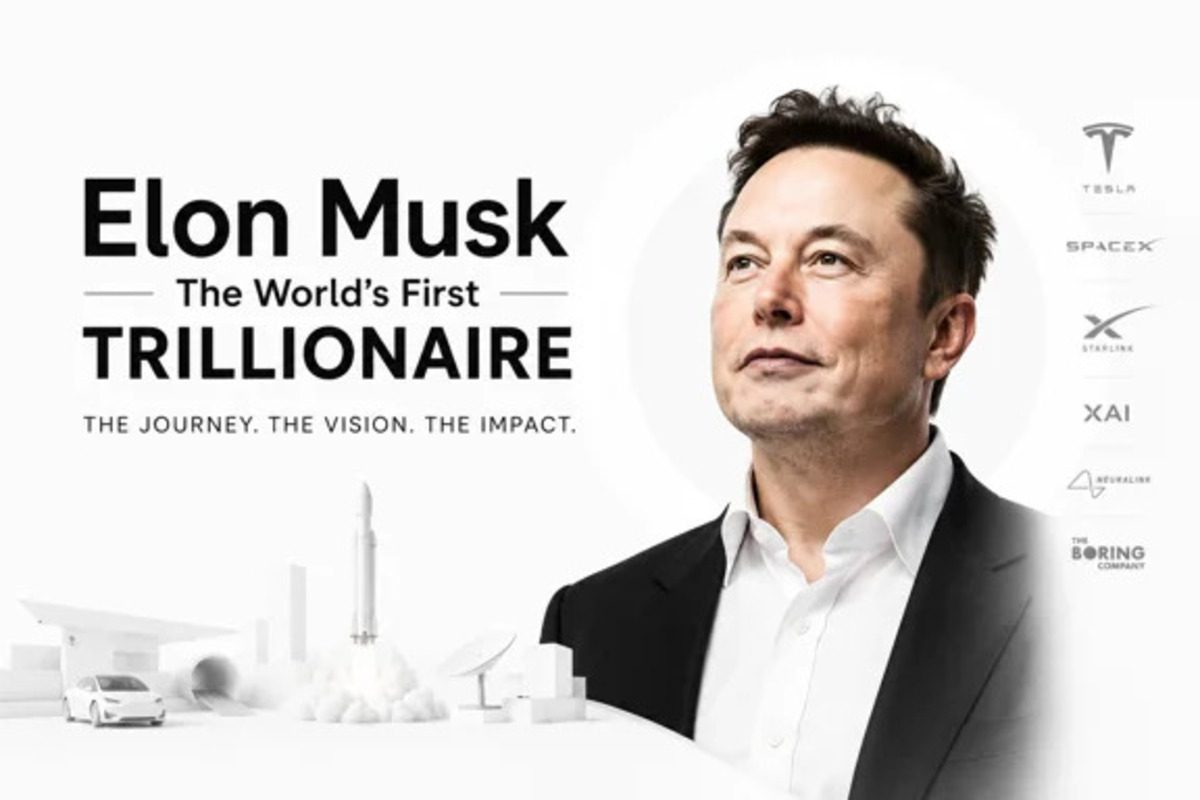
The SpaceX IPO shows markets increasingly define reality through power, influence, and belief systems. Elon Musk’s company reached huge valuation because investors trusted its long-term space ambitions. SpaceX combines rockets, internet services, and future projects to justify its trillion-dollar worth. Financial markets now prioritize narratives and expectations over actual economic performance. This shift shows how capital shapes perceptions of truth in modern economies. Investors value future potential more than present earnings when assigning extreme valuations. Musk strengthens confidence through vision, technology, and strong innovation narratives. This creates a gap between real productivity and perceived financial value globally. Modern capitalism rewards storytelling and influence more than traditional economic fundamentals. The IPO shows perception now plays a central role in valuation.
Also Read : Cyber crime Shock: Ex-PM Inder Kumar Gujral’s Son Duped of Rs 7.8 Crore
SpaceX IPO Signals Shift From Economic Reality to Narrative-Driven Markets
Money historically enabled cooperation through price signals reflecting scarcity, demand, and value. These signals once provided accurate information about real economic conditions. Today, markets increasingly distort signals through speculation and expectation-driven behavior. Prices now often reflect future influence rather than present productivity. This reduces money’s role as a reliable information system. Investors rely more on narratives than measurable economic reality. Markets continue functioning but depend more on belief than data. This shift increases uncertainty in financial decision-making. Money becomes less informative as perception dominates value.
SpaceX valuation depends on expectations about future space exploration and technology. Investors believe it can transform communication and interplanetary travel. Rocket launches and satellites support both current revenue and future projections. Markets value it based on expected Mars missions and global expansion. These expectations push valuation beyond traditional financial models. Speculation allows companies to reach massive market capitalizations without equal earnings. Musk boosts confidence through ambitious vision and leadership narratives. These narratives often outweigh financial metrics. Belief-driven pricing now dominates investment decisions. SpaceX represents future-driven capitalism based on optimism.
Also Read : Smriti Mandhana’s Latest T20I Record Stuns Cricket World
Elon Musk’s SpaceX Valuation Highlights Power of Belief in Modern Capitalism
The IPO highlights the gap between real value and speculation. Markets now reward perceived future dominance over present performance. Narratives often outweigh measurable productivity in asset pricing. Investors accept high valuations expecting future breakthroughs. This reshapes ideas of wealth and economic legitimacy. Real output becomes harder to measure against projections. Market behavior reflects collective belief instead of rational calculation. Traditional valuation theories face challenges today. Financial systems now operate on belief-driven structures. Capital allocation increasingly depends on perception.
The SpaceX IPO philosophy suggests reality depends on power and influence. Musk shapes markets through technology, capital, and narrative control. His companies mix innovation, speculation, and storytelling in valuation systems. Investors accept that powerful actors define economic truth. This blurs the line between reality and perception. SpaceX shows belief now drives financial outcomes. Economic truth depends on technological dominance. Corporations shape value through strategic narratives. Capitalism shifts toward perception-based systems. Markets increasingly reflect power over fundamentals.
Also Read : Cyber crime Shock: Ex-PM Inder Kumar Gujral’s Son Duped of Rs 7.8 Crore