

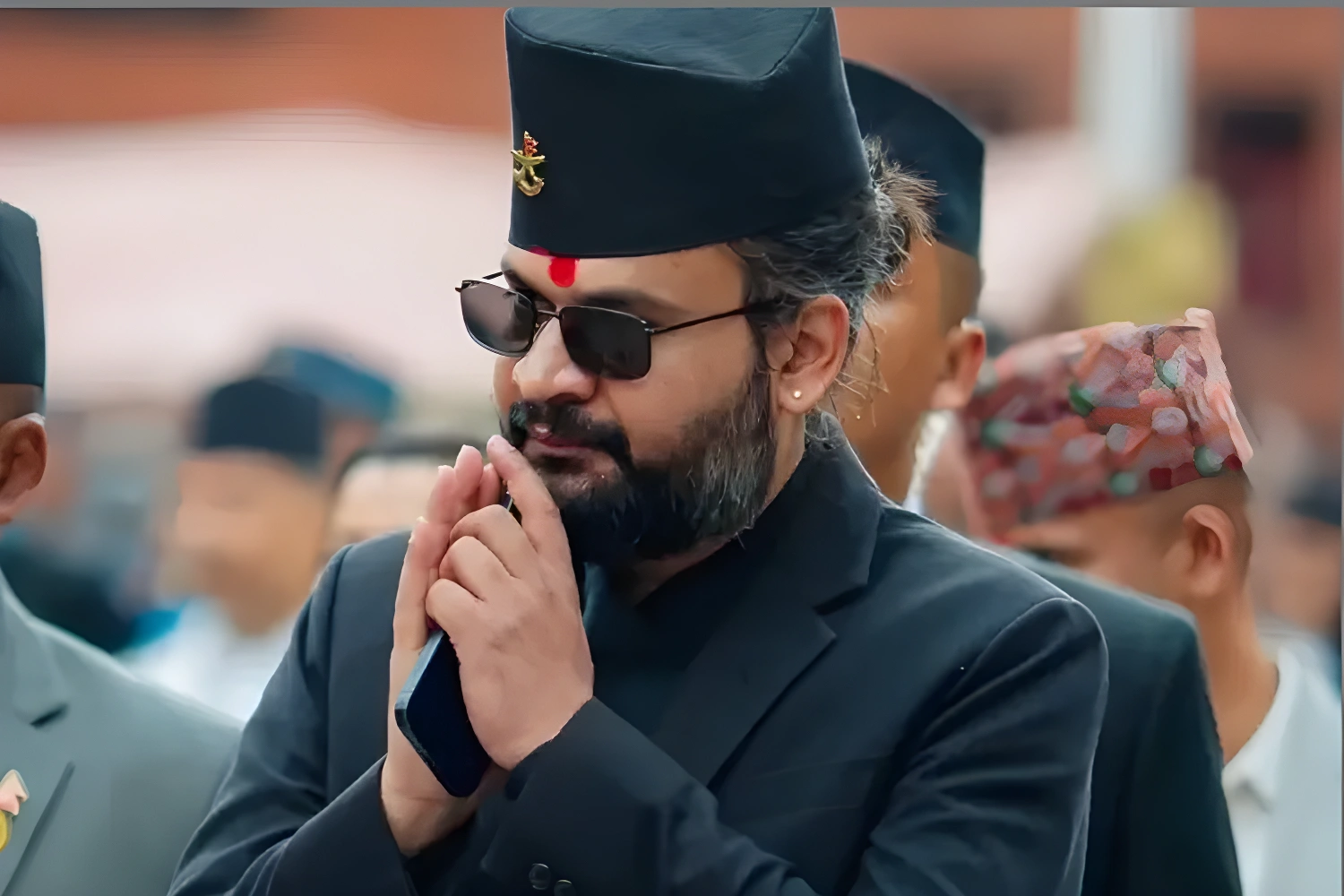
Balen Shah entered office as Nepal’s prime minister with enormous public support, especially from the country’s young voters. Just 150 days ago, the former Kathmandu mayor appeared to represent a clean break from Nepal’s long-dominant political establishment. His rise followed a powerful Gen Z-led movement that helped remove the previous government. After defeating veteran leader KP Sharma Oli in the March election and helping the Rastriya Swatantra Party secure a strong majority, Shah promised accountability, energy and change. However, that image has faded quickly. A series of governance problems, diplomatic controversies, public protests and growing distance from Parliament and his own party have weakened the political momentum that carried him to power.
Also read:Nationwide Bank Strike on September 11: Four-Day Disruption Likely
Policy U-Turns and Diplomatic Missteps
Shah’s government faced one of its first setbacks in April when it introduced strict customs rules on goods purchased from Indian markets. The policy affected ordinary Nepalis who rely on the open border to buy medicines, groceries and household products. Public anger forced the government to reverse the decision. A more serious controversy emerged in June when Shah made remarks during a parliamentary discussion on the Kalapani, Lipulekh and Limpiyadhura border dispute. His comments suggested that Nepal could seek help from historians, surveyors and even the United Kingdom to resolve questions surrounding old maps. India rejected the idea of third-party involvement and reiterated its long-standing position that the boundary issue should remain bilateral. Shah’s remarks triggered protests in Nepal, with opposition parties accusing him of mishandling a sensitive national issue. The government later attempted to clarify his comments, but the controversy had already damaged his image.
Shah’s relationship with Parliament and his own party has also raised concerns. Since becoming prime minister, he has attended only five of the 39 parliamentary sittings, according to the information provided. His limited presence has frustrated opposition lawmakers, who want him to answer questions on several contentious issues, including his comments on the Nepal-India border. Speaker DP Aryal has now asked Shah to appear for a question-and-answer session on August 26. His relationship with the Rastriya Swatantra Party has also come under scrutiny. Shah skipped an important RSP Central Committee meeting on August 21 while the party discussed preparations for local elections. Reports have also highlighted his infrequent appearances at party meetings and the central office. Some party leaders have questioned his commitment to the party structure and debated how much credit Shah or RSP president Rabi Lamichhane deserves for the party’s sweeping electoral victory.
Also read:Teen Threatens Suicide From Maharashtra Hill, Parents Die While Trying To Save Him
Growing Distance From Parliament and RSP
Relations with India have created another difficult chapter for Shah. While the prime minister maintained a cautious approach toward foreign diplomats, Rabi Lamichhane received a notably warm welcome during his June visit to New Delhi. He met Prime Minister Narendra Modi, Home Minister Amit Shah, External Affairs Minister S Jaishankar and other BJP leaders. The reception prompted observers to question whether India was developing a strong alternative political channel through Lamichhane. Shah later appeared to soften his earlier approach. On August 10, he met Indian Ambassador Naveen Srivastava and Chinese Ambassador Zhang Maoming separately in Kathmandu. Nepal’s relationship with India also remains important because of the longstanding connection between Nepali Gorkhas and the Indian Army. Former Gorkha soldiers recently protested in Pokhara, demanding the resumption of recruitment of Nepali youths under India’s Agnipath scheme.
The biggest setback for Shah came when dissatisfaction reached the streets. In July, the death of ride-share driver Ganesh Nepali following a confrontation with Kathmandu metropolitan police triggered anger among young people and informal workers. Demonstrators returned to Maitighar in Kathmandu, with some protesters who had once supported Shah now demanding accountability and even his resignation. Protests by landless squatters over eviction drives and inadequate rehabilitation added further pressure. The government announced an investigation, suspended officials and offered compensation, but the political damage had already spread. Later in July, communal clashes between Hindu and Muslim groups in southern Nepal left three people dead and forced authorities to impose curfews. Shah made his first major televised address as prime minister to appeal for calm and promise an investigation. These developments have exposed the gap between Shah’s successful outsider image and the difficult realities of governing.
Also read:CM Vijay Announces Free LPG Cylinders and Free Deluxe Bus Services for Women in Tamil Nadu