

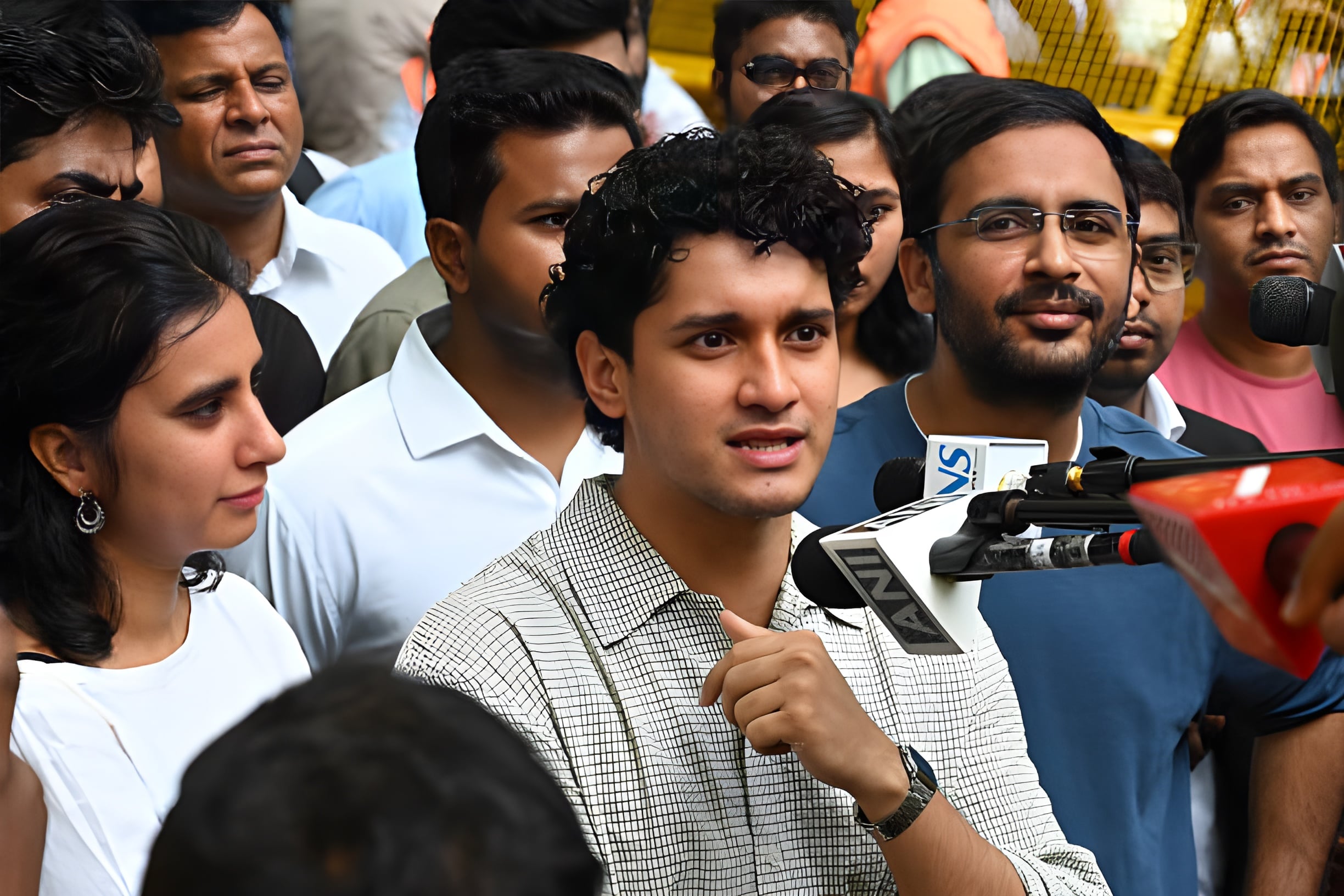
Cockroach Janata Party (CJP) co-conveners Saurav Das and Ashutosh Ranka withdrew their custody petition before Delhi High Court Wednesday. They challenged an order extending their judicial custody by two days following protests against Chief Election Commissioner Gyanesh Kumar. Justice Subramonium Prasad permitted withdrawal after questioning their decision to approach the court without exhausting alternative legal remedies. The judge advised them to await proceedings before the Special Executive Magistrate and pursue appropriate legal options afterward. The court clarified that its observations did not address the merits of their allegations or challenge. Their lawyer, Abhik Chimni, argued that the October 19 custody order failed to establish an imminent threat. He also questioned authorities for repeatedly rejecting their sureties without providing adequate justification. However, the bench stressed that writ petitions generally examine decision-making procedures rather than reassessing the underlying merits. Following these observations, the petitioners chose withdrawal without securing a ruling on their substantive claims.
Also read:Prakash Raj Says India Is Neither Bangladesh Nor Nepal, Calls for Democratic Regime Change
Why CJP Leaders Were Detained
During the hearing, the Delhi High Court examined allegations that Das and Ranka violated previously furnished peace bonds. Authorities alleged that both leaders visited Jantar Mantar despite its denotification as an authorised protest site. The bench noted that the Supreme Court was considering the denotification challenge but had not stayed the notification. Judges also discussed reports that protesters broke a barricade during their attempted demonstration at the location. The court observed that such incidents could attract additional participants whose actions organisers might struggle to control. Justice Prasad questioned whether organisers should obtain police permission before arranging demonstrations to prevent disruptive outsiders from joining. He also suggested that an organisation’s objectives and changing protest activities could influence assessments of potential public disturbances. The judge contrasted earlier student protests against the NEET paper leak with the leaders’ present demonstrations. Chimni confirmed Das was twenty-seven and Ranka was thirty-one when the judge questioned their ages.
During arguments, Chimni challenged authorities’ repeated rejection of sureties and described their decisions as arbitrary. He requested the leaders’ release on personal bonds while questioning the legal basis for continued custody. The bench asked whether the petitioners could submit fresh sureties and pursue appeals against rejection orders. Judges highlighted remedies available under the Bharatiya Nagarik Suraksha Sanhita for challenging such administrative decisions. Chimni worried that withdrawing the petition might force his clients to approach the High Court again. The court emphasised personal liberty but encouraged the petitioners to consider statutory remedies before seeking constitutional intervention. It also distinguished preventive custody from preventive detention while examining the legal framework governing their circumstances. The bench questioned whether alleged peace bond violations established an imminent threat requiring continued detention. It explained that appellate courts could examine case facts, whereas writ courts generally scrutinise decision-making procedures. Ultimately, Chimni withdrew the petition after receiving instructions from his clients, without obtaining substantive judicial findings.
Also read:Influencer Dies by Suicide; Family Alleges Death Threats and ₹3 Crore Demand by CEO
Lawyer Challenges Rejection of Sureties
Authorities first detained Das and Ranka at an airport on October 10 before planned Delhi demonstrations. Police initiated proceedings under Sections 126 and 170 of the Bharatiya Nagarik Suraksha Sanhita against both leaders. They secured release that day after furnishing peace bonds worth fifty thousand rupees each. Authorities apprehended them again on October 14 following their attempted Tiranga protest at Jantar Mantar. Subsequently, Special Executive Magistrate Ritu Raj extended their judicial custody through an order dated October 19. The magistrate stated that both respondents deliberately breached their bonds and disturbed public peace. The order also cited police concerns regarding their conduct and reported calls for demonstrations at denotified protest sites. Authorities subsequently directed the leaders to furnish fresh sureties after finding their submitted documents unsuitable. Officials identified discrepancies between photographs attached to bond documents and those appearing on the sureties’ Aadhaar cards. The sureties also failed to provide satisfactory answers during the magistrate’s inquiry, according to the order.
The Delhi High Court allowed Das and Ranka to withdraw their petition without deciding the underlying legal dispute. The court emphasised that its observations during arguments did not determine whether authorities lawfully extended their custody. The withdrawal followed questions about alternative remedies and the limits of writ jurisdiction in challenging administrative decisions. The petitioners can pursue appropriate legal options depending on the outcome of proceedings before the Special Executive Magistrate. Their immediate concerns include the custody extension, rejection of sureties, and allegations concerning breaches of peace bonds. The magistrate’s findings and supporting police submissions remain central to the ongoing proceedings. Meanwhile, the leaders may consider statutory remedies if authorities reject further sureties or continue restricting their liberty. Any subsequent challenge would require the appropriate forum to examine relevant facts and applicable legal provisions. The case highlights tensions between preventive public order measures and individuals’ constitutional protections concerning personal liberty. Further developments will depend on proceedings before the magistrate and any subsequent legal action by the petitioners.
Also read:SBI Confirms Cyberattack as 3,897 Customer Records Surface on Dark Web